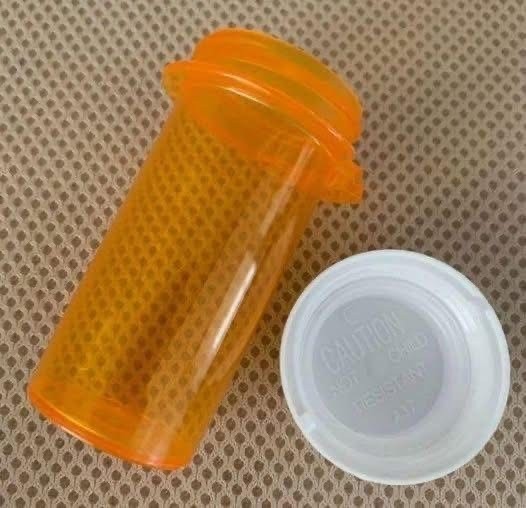
13 Clever Ways to Reuse Empty Pill Bottles
Empty prescription pill bottles can seem like small household clutter, but they may be useful long after a medication has been finished. Their compact size, secure caps, and durable plastic make them convenient for organizing tiny items, preparing travel supplies, and keeping everyday essentials together.
Before repurposing any medicine container, however, it is important to handle it responsibly. Prescription labels can contain private personal information, and bottles may retain medication residue. The U.S. Food and Drug Administration recommends following local guidance for disposing of unused or expired medicines, including take-back programs where available. Once a bottle is empty and suitable for reuse, remove or completely obscure the label, wash it carefully with warm soapy water, and allow it to dry fully.
Not every pill bottle is appropriate for every purpose. Child-resistant caps are designed to reduce access by young children, but they are not guaranteed to be waterproof or completely childproof. Reused bottles should also never be used to store prescription medicine without a proper pharmacy label, and they are generally not ideal for food or drink storage unless the container is clearly marked as food-safe by the manufacturer.
With those practical precautions in mind, here are 13 organized, low-waste ways to give empty pill bottles a useful second life.
1. Create a Travel Jewelry Holder
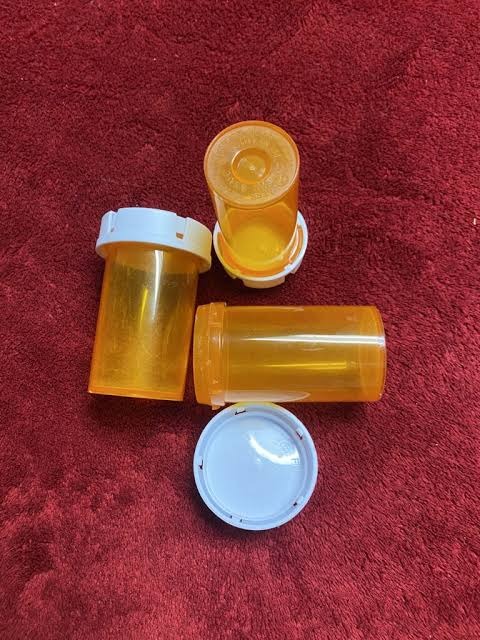
Small jewelry pieces are easy to misplace in luggage, gym bags, and purses. An empty pill bottle can provide a simple place to store rings, earrings, necklace pendants, or small bracelets during travel. The rigid container can help protect delicate items from being crushed by heavier belongings.
To prevent jewelry from tangling or scratching, place a small piece of soft fabric, felt, or cotton inside the container. Store only clean, dry pieces, particularly if the jewelry includes metal components that may tarnish when exposed to moisture. For better organization, label the top of each bottle with a removable sticker identifying its contents.
2. Pack Small Toiletries for Short Trips
For weekend travel, camping, or a trip to the gym, pill bottles can hold small quantities of non-medicated personal-care items. Examples include cotton swabs, hair ties, bobby pins, solid shampoo bars cut into small pieces, or individually wrapped dental floss picks.
Liquid products require extra caution. Many prescription bottles are not designed as leak-proof cosmetic containers, especially when repeatedly opened or packed under pressure in a suitcase. If you choose to carry a small amount of lotion, cleanser, or other liquid, test the container at home first and place it inside a sealed travel bag. Avoid using repurposed medicine bottles for products that could be confused with medication, and label everything clearly.
3. Assemble a Portable Sewing Kit
A compact sewing kit is one of the most practical uses for an empty pill bottle. Fill it with a few needles, safety pins, buttons, a small amount of thread, and a tiny folded measuring tape. This can be useful for repairing a loose button, fixing a hem, or handling a minor wardrobe issue while away from home.
Because needles and pins are sharp, wrap them securely in felt, cardboard, or a small piece of fabric before placing them inside. Clearly label the bottle so that children and other household members do not mistake it for a harmless container. Keep it in a dry location to help prevent metal items from rusting.
4. Store a Spare Key Securely
An empty pill bottle can serve as a discreet protective container for a spare key. The plastic may help shield a key from dirt and moisture when stored in a garage, tool box, car emergency kit, or another secure location.
It is best not to hide a key in an obvious spot outside the front door, such as under a doormat or decorative planter. Security experts commonly advise homeowners to use a trusted neighbor, a lockbox designed for keys, or another secure arrangement instead. If a bottle is used for a spare key, do not write an address or identifying information on the outside.
5. Build a Small Emergency Supply Kit
Preparedness organizations often recommend maintaining basic supplies for unexpected situations. While a pill bottle is too small to replace a full emergency kit, it can hold a few compact essentials. Consider storing waterproof matches in their original packaging, a small whistle, a folded emergency contact list, a few adhesive bandages, or a small amount of cash.
A tiny kit can fit in a backpack, glove compartment, or hiking bag. The American Red Cross recommends more comprehensive emergency planning, including access to water, food, first-aid supplies, medications, and communication tools. A repurposed bottle is best viewed as one organized component of a larger preparedness plan.
6. Organize Nail Care Supplies
Empty pill bottles can help keep nail-care accessories together. They are especially useful for holding spare nail files, cuticle sticks, small nail decals, tiny containers of loose glitter, or replacement press-on nails. A labeled bottle prevents small items from disappearing into a drawer or makeup bag.
Do not store nail polish remover in a standard prescription bottle. Many nail polish removers contain acetone or other solvents that may damage certain plastics, release fumes, or leak if the cap is not designed for chemicals. Keep nail polish remover in its original container and follow the manufacturer’s storage instructions.
7. Make a Center-Pull Yarn Dispenser
For knitters and crocheters, a clean pill bottle can become a simple center-pull dispenser for a small amount of yarn or embroidery floss. Place a compact ball of yarn inside the bottle, then feed the loose end through a small opening in the cap if the cap can be modified safely. This can help keep yarn from tangling while working on a small project or carrying supplies in a craft bag.
Use caution when making holes in plastic. A drill, heated tool, or sharp blade can cause injury or leave rough edges. If you modify the cap, smooth any sharp edges and keep the finished container away from young children. For an easier alternative, simply use the bottle to hold pre-cut lengths of embroidery floss.
8. Use It as a Makeup and Beauty Organizer
Makeup bags often collect small loose items that are difficult to find quickly. Repurposed bottles can organize hair elastics, false eyelash cases, cosmetic sharpeners, sample-size products, makeup sponges, or individual cotton pads. Since the bottles are lightweight and close securely, they can be useful in a travel toiletry bag.
As with all reused medicine containers, remove the original label fully. Clear labeling is particularly important if the container holds beauty products, because nobody should accidentally assume that it contains medication. For hygiene, clean the container regularly and avoid storing damp makeup sponges or applicators inside for extended periods.
9. Keep a Mini Purse Trash Container
Receipts, gum wrappers, used transit tickets, and other small bits of trash can quickly accumulate in a handbag or car. A labeled pill bottle can function as a temporary mini trash container for dry, non-sharp waste. Its small size makes it easy to empty into a proper trash bin at the end of the day.
This idea works best for clean, dry items only. Do not use the bottle for used tissues, food waste, batteries, sharp objects, or anything that may leak. Cleaning it periodically will help prevent odors and keep it useful for longer.
10. Protect Earbuds and Small Electronics Accessories
Wired earbuds, charging adapters, memory cards, and compact USB accessories are often misplaced or tangled. A pill bottle can provide a dedicated storage space for these small items. For wired earbuds, loosely coil the cord before placing it inside to reduce tangling and strain on the cable.
Make sure the electronics are dry before storing them. A small packet of silica gel, kept intact and out of children’s reach, may help reduce moisture in a storage container. Do not store damaged batteries or loose lithium-ion batteries in a pill bottle, as batteries require appropriate handling and recycling procedures.
11. Make a Thoughtful “Love Rx” Gift
A pill bottle can be transformed into a small, personalized message container for a partner, friend, or family member. Instead of holding medicine, it can hold folded notes with encouraging messages, favorite memories, date ideas, compliments, or reminders of shared goals. This can be a meaningful and inexpensive gift for a birthday, anniversary, or difficult day.
To make the idea clear and considerate, completely cover the original pharmacy label with a new design. Avoid presenting any non-medication item in a way that could confuse someone about its purpose. A simple label such as “Open When You Need a Smile” gives the gift a warm and unambiguous meaning.
12. Store Matches or Fire-Starting Supplies
For people who camp or maintain an emergency supply bag, a clean, dry container may be useful for storing matches in their original box, a small fire starter, or a compact piece of tinder. Keep the bottle away from heat sources, open flames, and the reach of children.
It is important to note that a typical pill bottle should not be assumed to be waterproof or fireproof. If outdoor gear needs reliable water resistance, choose equipment specifically designed for that purpose. Always follow local fire rules, particularly during dry weather or in areas where fires are restricted.
13. Sort Coins, Buttons, and Small Hardware
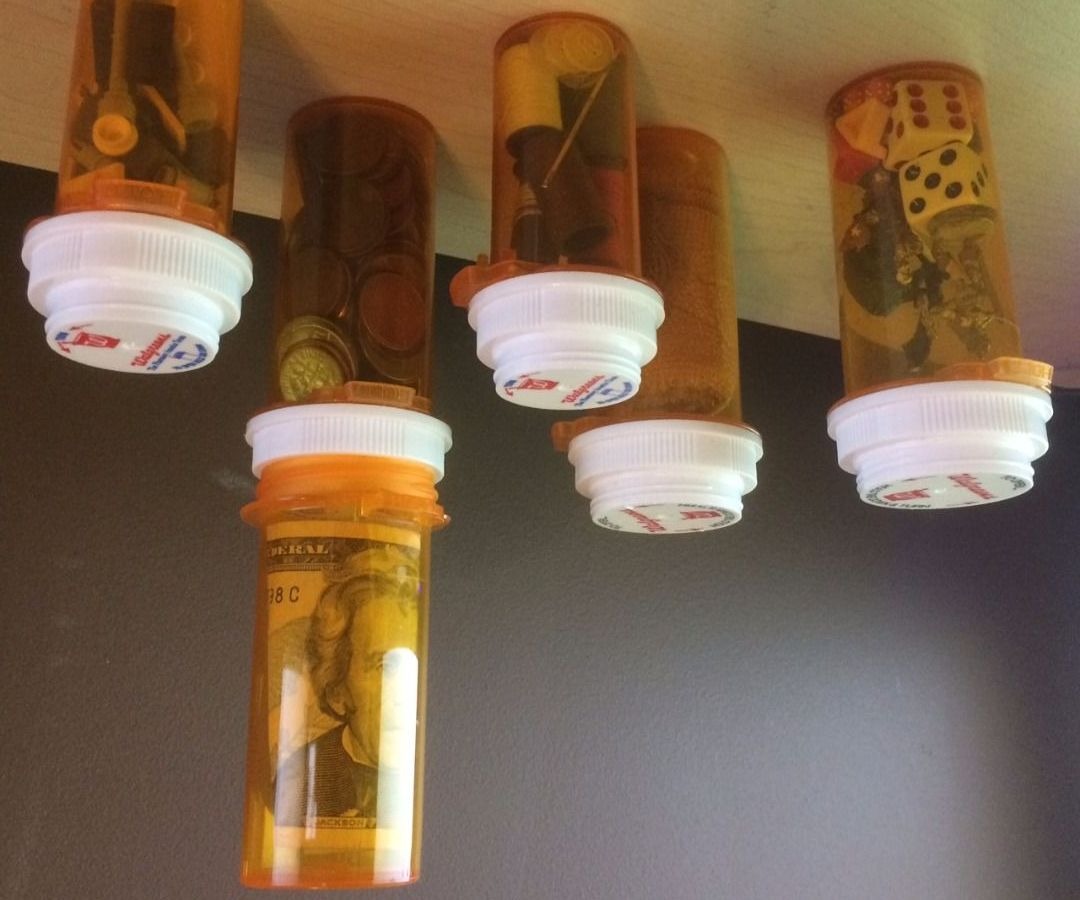
One of the simplest ways to reuse empty pill bottles is as an organizer for small household items. Coins, buttons, screws, nails, picture-hanging hooks, fishing swivels, and spare furniture hardware can all be sorted into separate containers. This is especially helpful in garages, craft rooms, offices, and utility drawers.
Label each bottle clearly with the item type and size. For example, “small screws,” “coat buttons,” or “quarters” is more useful than a generic label. Keep sharp hardware out of the reach of children, and do not overfill bottles to the point where the cap cannot close securely.
How to Clean and Prepare Pill Bottles for Reuse
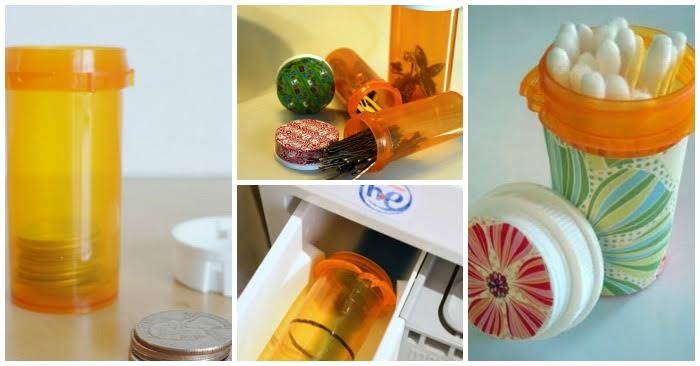
Cleaning an empty pill bottle is an essential step before using it for crafts or household organization. First, confirm that all medication has been removed. Follow local disposal guidance for leftover medicine; many communities offer take-back programs through pharmacies, law-enforcement sites, or public health agencies.
Next, remove the label or obscure all personal information. Prescription labels can include a person’s name, address, medication details, pharmacy information, and prescribing clinician. Soak the bottle in warm, soapy water if needed to loosen adhesive, then scrub both the bottle and cap. Let all parts air-dry completely before adding new contents.
If a bottle is cracked, discolored, has a persistent odor, or cannot close properly, recycling may be a better option. Recycling rules vary widely by community, and some programs do not accept small prescription containers. Checking with a local pharmacy, recycling provider, or municipal waste program can help determine the best disposal route.
Why Reusing Small Containers Can Support Better Organization
Reusing household items can reduce the need to buy new organizers for every small task. More importantly, it encourages people to think carefully about storage, labeling, and safe disposal. Pill bottles are not universal containers, but they can be useful for dry, non-food household items when cleaned and labeled properly.
The most responsible approach combines reuse with safety. Keep medications in their original labeled containers, secure medicines away from children and visitors, use take-back programs for unwanted drugs, and choose purpose-built containers whenever a task requires leak resistance, chemical resistance, food safety, or long-term durability.
Sources
Disclaimer: This content is intended for entertainment purposes only and is not based on real events.