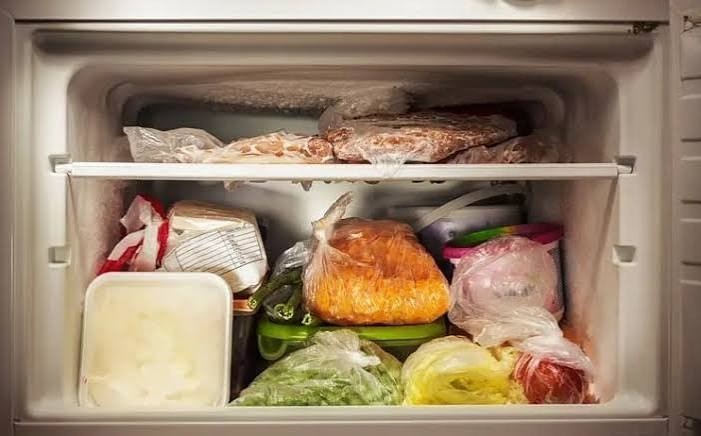
How Everyday Food Storage Habits Can Affect Food Safety and Liver Health
Most people rely on familiar kitchen checks to decide whether food is safe: looking at a date label, smelling leftovers, or discarding food once visible mold appears. These habits can be useful, but they do not identify every food safety concern. Some contaminants are difficult or impossible to detect by sight, smell, or taste, and refrigeration slows many hazards rather than eliminating them.
Safe food storage is not about creating anxiety around ordinary meals. It is about using practical, evidence-based routines that reduce waste while lowering the chance of foodborne illness and exposure to naturally occurring contaminants. This is especially important for dry staples, nuts, spices, produce, and prepared foods that may remain in a pantry or refrigerator for days or weeks.
Two issues illustrate why storage matters: aflatoxins, which are toxins associated with certain molds on agricultural products, and foodborne bacteria that can grow when refrigerated food is stored too long or handled improperly. Understanding the difference between these risks can help households make informed choices.
What Are Aflatoxins?
Aflatoxins are naturally occurring toxic compounds produced by some species of Aspergillus mold, particularly Aspergillus flavus and Aspergillus parasiticus. These molds can affect crops in warm, humid conditions before harvest, during drying, in transport, or while foods are stored. Aflatoxin contamination is primarily an agricultural and supply-chain concern, but home storage practices can still help prevent conditions that encourage mold growth in susceptible foods.
The World Health Organization and the International Agency for Research on Cancer recognize aflatoxins as an important food safety concern. Aflatoxin B1, one of the most studied forms, is classified by the International Agency for Research on Cancer as carcinogenic to humans. Long-term dietary exposure, particularly at high levels and in regions with limited food monitoring, is associated with a higher risk of liver cancer. The risk can be greater among people living with chronic hepatitis B infection.
It is important to place this information in context. In countries with established food safety oversight, including the United States and many other high-income countries, regulators monitor and set limits for aflatoxins in foods and animal feed. This oversight helps reduce exposure through commercial products. However, no food system can completely eliminate risk, and proper handling at home remains sensible.
Foods That May Be Vulnerable to Mold and Aflatoxin Contamination
Aflatoxins may occur in a range of crops, especially those grown or stored in hot and humid environments. Foods commonly discussed in food safety guidance include:
- Maize, corn, and corn-based products
- Peanuts and peanut products
- Tree nuts, including pistachios, almonds, and walnuts
- Rice, wheat, and other grains
- Oilseeds and some vegetable oils
- Dried fruits
- Spices, including chili, paprika, and pepper products
These foods are not inherently unsafe. They are nutritious staples used by millions of people every day. The issue is that they can be vulnerable to mold under unfavorable growing or storage conditions. Commercial food producers use testing, sorting, drying standards, and other control measures to minimize contamination before products reach consumers.
At home, dry foods should be kept dry, cool, and protected from pests. A warm, damp cupboard or an opened package left in a humid environment can create conditions that are more favorable for mold. Buying amounts that can be used within a reasonable period may also help, particularly for nuts, flours, grains, and spices that are rarely used.
Why Removing Visible Mold May Not Make Food Safe
Visible mold is a clear sign that food should be assessed carefully, but it does not always show the full extent of contamination. Mold can spread microscopic structures beneath the surface of foods, particularly soft or porous items. In some cases, toxins produced by mold may remain even after the visible portion is removed.
For this reason, food safety authorities generally advise discarding moldy soft foods, cooked dishes, leftovers, jams, and similar products. Mold may penetrate more deeply into these foods than is apparent. Hard foods such as firm vegetables or hard cheese are sometimes treated differently in food safety guidance because mold penetration may be more limited, but consumers should follow advice from national food safety authorities and use caution.
With nuts, grains, peanut products, spices, and other dry goods, obvious mold, unusual discoloration, clumping caused by moisture, or damaged packaging are good reasons not to use the product. A food that looks normal may still not be suitable if it has been stored in poor conditions for a prolonged period. When there is uncertainty, discarding the food is the safer option.
Cooking is also not a dependable solution for aflatoxins. These compounds can be relatively stable during ordinary food preparation, meaning baking, boiling, frying, or reheating cannot be relied upon to remove them. Preventing mold growth and purchasing food from reputable retailers are more effective strategies than trying to rescue questionable food later.
How Aflatoxins Relate to Long-Term Liver Health
The liver helps process nutrients, medications, alcohol, and a wide range of chemicals. Liver disease can have many causes, including viral hepatitis, alcohol-related liver disease, metabolic dysfunction-associated steatotic liver disease, autoimmune disorders, inherited conditions, and exposure to certain toxins. Aflatoxin exposure is one recognized environmental factor, especially in parts of the world where contaminated staple crops are more common and food surveillance systems may be limited.
Public health researchers emphasize that liver cancer prevention requires a broad approach. Hepatitis B vaccination, testing and treatment for viral hepatitis, moderation or avoidance of alcohol where appropriate, maintaining a healthy body weight, and access to safe food all play important roles. In regions with a high prevalence of hepatitis B, reducing aflatoxin exposure can be particularly meaningful because the two risk factors may interact.
For most individual consumers, the practical message is not to diagnose liver problems based on pantry items or to assume that a single questionable food will cause illness. Rather, it is to maintain sensible storage habits, avoid eating visibly moldy or damaged foods, and seek medical care for persistent health concerns. Anyone with questions about liver health should speak with a qualified health professional.
Your Refrigerator Slows Spoilage but Does Not Stop It
Refrigeration is one of the most effective tools for preserving perishable food, but it is not a permanent pause button. Cold temperatures slow the growth of many bacteria, yet some organisms can survive and, in certain cases, grow at refrigerator temperatures. Listeria monocytogenes is a well-known example.
The United States Department of Agriculture recommends keeping refrigerators at or below 40°F (4°C) and freezers at 0°F (-18°C). These temperatures help limit bacterial growth and preserve quality, but time still matters. Refrigerated leftovers, cooked meats, prepared salads, cut produce, dairy products, and ready-to-eat foods all have recommended storage windows.
Food can sometimes contain harmful bacteria without developing a strong odor or unusual appearance. This is why the “sniff test” should not be the only decision-making tool. A container of leftovers may smell acceptable but still be too old to eat safely. Date labels, preparation dates, refrigerator temperature, and the length of storage provide more reliable guidance.
Safe Leftover Storage and Reheating Practices
Food safety agencies commonly advise refrigerating perishable foods within two hours of cooking or purchase. If the temperature is above 90°F (32°C), such as during very hot weather or outdoor gatherings, that window is generally reduced to one hour. Food left at room temperature for too long may enter the “danger zone,” where bacteria can multiply more quickly.
Large pots of soup, stews, rice dishes, and casseroles should be divided into smaller, shallow containers before refrigeration when practical. This allows food to cool more quickly. Cover containers and label them with the preparation date so that older items do not become forgotten at the back of the refrigerator.
The USDA generally advises using refrigerated leftovers within three to four days. If they will not be eaten in that time, freezing them is often a safer option. Frozen food remains safe for much longer when held continuously at 0°F, although quality can gradually decline.
When reheating leftovers, bring them to 165°F (74°C), using a food thermometer when possible. Stir foods during microwave heating to reduce cold spots, and allow microwaved food to stand briefly after heating. Reheat only the amount that will be eaten rather than repeatedly warming and cooling the same container.
Practical Pantry Storage Habits
A well-organized pantry supports both food safety and household budgeting. The goal is to prevent excess moisture, reduce exposure to heat and pests, and make it easy to use foods before their quality declines.
- Use airtight containers: Transfer dry goods such as flour, rice, cereals, nuts, and seeds into clean, dry, food-safe containers with secure lids when appropriate.
- Keep foods cool and dry: Avoid storing vulnerable items near ovens, dishwashers, plumbing leaks, or sunny windows.
- Inspect packages: Do not buy or keep packages that are torn, wet, swollen, heavily damaged, or show signs of insects or mold.
- Rotate supplies: Place newly purchased items behind older products so that older foods are used first.
- Buy realistic quantities: Bulk purchases can be economical, but only when food can be stored properly and used before it deteriorates.
- Consider cold storage for nuts: Nuts contain oils that can become rancid over time. Refrigerating or freezing them can help preserve quality, especially in warm climates.
Cleaning pantry shelves regularly is also useful. Crumbs, spilled flour, and residue can attract pests and make it harder to notice a damaged package. If moisture, leaks, or pest activity are recurring issues, addressing the underlying problem is more effective than simply replacing food.
Special Considerations for Higher-Risk Groups
Food safety matters for everyone, but some people are more likely to experience serious complications from foodborne illness. These groups include adults aged 65 and older, pregnant people, young children, and people with weakened immune systems due to illness or medical treatment.
For these individuals, extra attention to refrigerator temperatures, use-by guidance, thorough cooking, and safe handling of ready-to-eat foods is especially important. The U.S. Food and Drug Administration and the CDC provide specific advice on foods that may pose a higher risk, including unpasteurized products and some refrigerated ready-to-eat items.

When to Seek Medical Advice
Most food safety decisions can be handled through prevention: store food properly, follow official handling guidance, and discard food that is clearly spoiled or has been kept too long. Medical advice is appropriate when someone develops symptoms that are severe, persistent, or concerning after eating.
Seek prompt medical attention for signs of serious dehydration, persistent vomiting, high fever, bloody diarrhea, confusion, severe weakness, or symptoms in an infant, older adult, pregnant person, or immunocompromised individual. People with ongoing concerns about liver health, including jaundice, persistent abdominal swelling, unexplained fatigue, or dark urine, should consult a healthcare professional. These symptoms can have many causes and require proper evaluation.
A Balanced Approach to Food Safety at Home
Food safety does not require perfection or fear of every item in the kitchen. It relies on consistent habits: purchasing from reputable sources, keeping dry foods dry, refrigerating perishables promptly, monitoring refrigerator temperature, using leftovers within recommended time frames, and not depending solely on appearance or smell.
Aflatoxins are a reminder that some food hazards are not obvious, while refrigerated leftovers demonstrate that cold storage has limits. Together, these issues underline a simple principle: food storage is part of public health. Small household actions can complement the safeguards already used by farmers, manufacturers, retailers, and food safety regulators.
This article is intended for general educational purposes and is not a substitute for medical, nutritional, or food safety advice from a qualified professional.
Sources
Disclaimer: This content is intended for entertainment purposes only and is not based on real events.