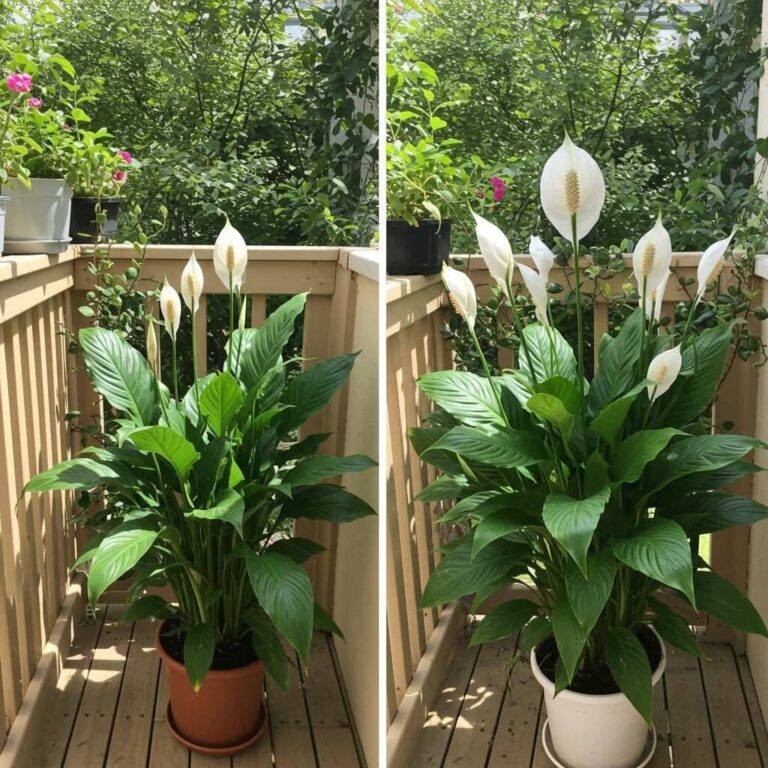
Rice Water Fertilizer for Peace Lilies: What to Know Before Using It
Peace Lilies are popular indoor plants because of their glossy green leaves, distinctive white flower-like spathes, and ability to grow in relatively low-light homes. However, many new owners find that a recently purchased plant stops blooming, develops yellow leaves, or appears less vigorous after arriving indoors. These changes are often linked to light, watering, drainage, humidity, or fertilizer habits rather than a single missing ingredient.
One home-care method frequently discussed online is rice water: water mixed with rinsed or blended uncooked rice. Supporters describe it as a natural plant fertilizer that may add small amounts of minerals and organic matter to soil. While rice water can be used cautiously in some situations, it should not be viewed as a guaranteed way to make a Peace Lily bloom or as a replacement for a balanced houseplant fertilizer.
The most reliable approach combines good growing conditions with modest, evidence-informed feeding. Understanding what Peace Lilies need can help gardeners decide whether rice water is worth trying and, more importantly, avoid common problems such as root stress and overwatering.

Why Peace Lilies Sometimes Stop Blooming
The common Peace Lily sold as a houseplant is usually a hybrid or cultivated form of Spathiphyllum, a tropical plant native to parts of Central and South America. Its showy white structure is technically a spathe, a modified leaf that surrounds the small flowers on a central spike called a spadix. A healthy plant may produce these blooms more than once a year, but flowering depends strongly on its environment.
Low light is one of the most common reasons a Peace Lily produces leaves without flowers. The plant tolerates dim spaces better than many flowering houseplants, but tolerance is not the same as ideal growing conditions. Bright, indirect light is generally more supportive of flowering. Direct midday sun, on the other hand, can scorch foliage, especially near an uncovered south- or west-facing window.
Watering also matters. Peace Lilies prefer soil that is lightly and evenly moist but not saturated. Their leaves may droop when the potting mix becomes too dry, yet frequent cycles of severe wilting can place stress on the plant. Constantly wet soil can be equally harmful because roots need oxygen as well as water. Poor drainage can contribute to root decline, yellowing leaves, and reduced growth.
Temperature, pot size, and age can also influence flowering. Peace Lilies generally grow best in warm indoor conditions, away from cold drafts and heating vents. A plant that has recently been transported from a greenhouse, repotted, or moved to a new room may need time to adjust. Young or recovering plants may focus their energy on roots and foliage before producing new blooms.
What Is Rice Water?
Rice water is broadly defined as water that has been used to rinse, soak, or blend rice. Its composition varies considerably depending on the type of rice, whether the rice was washed first, the volume of water used, and whether the mixture has been fermented. Because of this variation, it is difficult to know exactly how many nutrients are being added to a houseplant pot.
Rice itself contains carbohydrates along with small amounts of minerals. When rice is rinsed or blended in water, some starch and soluble compounds may enter the liquid. Online gardening advice often highlights potassium, calcium, magnesium, and boron, all of which are nutrients plants use in different ways. However, the quantity available in homemade rice water is not standardized, and it may be too low or inconsistent to meet a Peace Lily’s nutritional needs.
For comparison, commercial houseplant fertilizers provide measured ratios of primary nutrients: nitrogen, phosphorus, and potassium. They may also include micronutrients in known amounts. This makes them easier to apply responsibly when a plant needs feeding. Rice water is better understood as an optional home experiment rather than a complete fertilizer program.
Can Rice Water Help a Peace Lily?
There is limited direct research showing that homemade rice water reliably improves flowering or health in indoor Peace Lilies. A small amount of diluted rice water may not harm a healthy plant if it is used infrequently and the pot has excellent drainage. Still, its benefits should not be overstated. Healthy flowering depends on the plant receiving appropriate light, water, temperature, root space, and balanced nutrition over time.
The main concern is that rice water contains starch and other organic material. In a container with limited soil volume, excess organic residue can encourage microbial growth, create odors, attract fungus gnats, or leave the potting mix overly wet. Fermented mixtures may be even more unpredictable because they can become acidic and harbor changing microbial populations. These issues are especially relevant for plants already showing signs of root stress.
If a Peace Lily is struggling, first inspect the basics: check whether the pot has a drainage hole, feel the soil several centimeters below the surface, and assess the amount of indirect light it receives. Correcting a basic care issue is more likely to produce lasting results than adding a homemade liquid to unsuitable soil conditions.
How to Prepare Rice Water Carefully
Those who still want to try rice water should use a simple, non-fermented preparation and apply it sparingly. Avoid using salted, seasoned, cooked, or leftover rice water from food preparation. Salt and flavorings are not appropriate for houseplant soil and can damage roots.
Ingredients and Equipment
- About 1 cup of raw, uncooked rice
- Approximately 2 liters of clean, chlorine-free or rested tap water
- A blender, if making a blended mixture
- A fine strainer or sieve
- A clean watering container
A gentler option is to rinse raw rice briefly in water, strain it, and dilute the cloudy liquid further before use. Blending rice with water produces a much starchier mixture and may increase the risk of residue accumulating in the pot. If using a blender, strain the liquid thoroughly so that rice particles do not remain in the soil.
For a cautious application, dilute the strained rice water with additional plain water until it is lightly cloudy rather than thick or milky. Use it immediately rather than storing it at room temperature. Do not ferment it unless you understand the potential changes in odor, acidity, and microbial activity. Homemade mixtures should never replace regular watering with plain water.
How Often Should Rice Water Be Used?
Less is more. If used at all, rice water should be an occasional supplement, not a weekly routine. A reasonable conservative approach is to test it once on a healthy plant during the active growing season, then observe the plant and soil for several weeks. Do not apply it to a plant that is already waterlogged, has a foul-smelling potting mix, or appears to have root problems.
Use only enough liquid to moisten the root zone, and ensure excess water can drain from the bottom of the pot. Empty any water that collects in a saucer after a short period. Repeated applications can create a buildup of organic matter, particularly in dense potting mix or containers without good airflow.
Signs that a homemade treatment may not be working include a sour odor from the soil, tiny flying insects around the pot, persistent wetness, yellowing leaves, or limp foliage despite wet soil. If these occur, stop using rice water. Allow the soil to dry appropriately, improve drainage, and consider repotting into fresh houseplant potting mix if the problem is severe or persistent.
Proven Peace Lily Care for Healthier Growth
Consistent care is the foundation of a healthy Peace Lily. Place the plant near bright, filtered light. An east-facing window or a spot set back from a brighter window often works well, though every home differs. If natural light is limited, a suitable indoor grow light can help provide more consistent illumination.
Water when the upper layer of potting mix begins to feel dry, rather than following a rigid calendar. The exact schedule may change with season, indoor temperature, pot size, and light levels. Use room-temperature water when possible, and water slowly until a small amount drains from the pot. This helps moisten the root area more evenly and can reduce accumulation of dissolved minerals in soil.
Choose a container with drainage holes and a light, well-draining potting medium. Peace Lilies generally benefit from being slightly snug in their pots, but a severely root-bound plant may need repotting. When roots densely circle the container or water runs straight through without wetting the soil, move the plant to a pot only modestly larger than the previous one.
During spring and summer, a balanced liquid houseplant fertilizer applied according to its label can provide more dependable nutrition than kitchen-based treatments. Overfertilizing is a common mistake, so it is often safer to use a diluted product less frequently than to apply too much. Pause or reduce fertilizer use when growth naturally slows in lower-light winter months.
Common Peace Lily Problems and Practical Solutions
Brown leaf tips are often associated with inconsistent watering, dry indoor air, mineral buildup, or sensitivity to chemicals in tap water. Using filtered water or allowing tap water to stand before use may help in some homes, although local water quality varies. Trimming brown edges with clean scissors can improve appearance, but addressing the underlying care condition is more important.
Yellow leaves can result from overwatering, underwatering, aging foliage, insufficient light, or nutrient imbalance. Examine the soil before deciding on a remedy. If it is consistently wet, reduce watering and check drainage. If it is extremely dry and pulling away from the pot edge, water gradually and reassess the schedule.
Drooping is not always an emergency. Peace Lilies often droop noticeably when thirsty and recover after appropriate watering. However, a plant that remains limp in wet soil may have compromised roots. In that case, adding more liquid, including rice water, can worsen the problem.
It is also important to keep Peace Lilies out of reach of pets and young children. According to veterinary and poison-control resources, chewing the plant can irritate the mouth because it contains insoluble calcium oxalate crystals. Contact a veterinarian or medical professional if exposure causes concerning symptoms.
Should You Use Rice Water for Peace Lilies?
Rice water is not a miracle fertilizer, and there is no reliable evidence that it will force a Peace Lily to bloom. It may be used occasionally in a diluted, freshly prepared form by gardeners who wish to experiment, but it should be approached carefully. The potential drawbacks of excess starch and moisture can outweigh uncertain benefits, particularly in poorly draining soil.
For stronger leaves and better chances of flowering, prioritize bright indirect light, correct watering, well-draining soil, stable indoor temperatures, and a measured houseplant fertilizer when needed. These practices align more closely with established horticultural guidance and give a Peace Lily the conditions it needs to grow steadily over the long term.
Sources
Disclaimer: This content is intended for entertainment purposes only and is not based on real events.