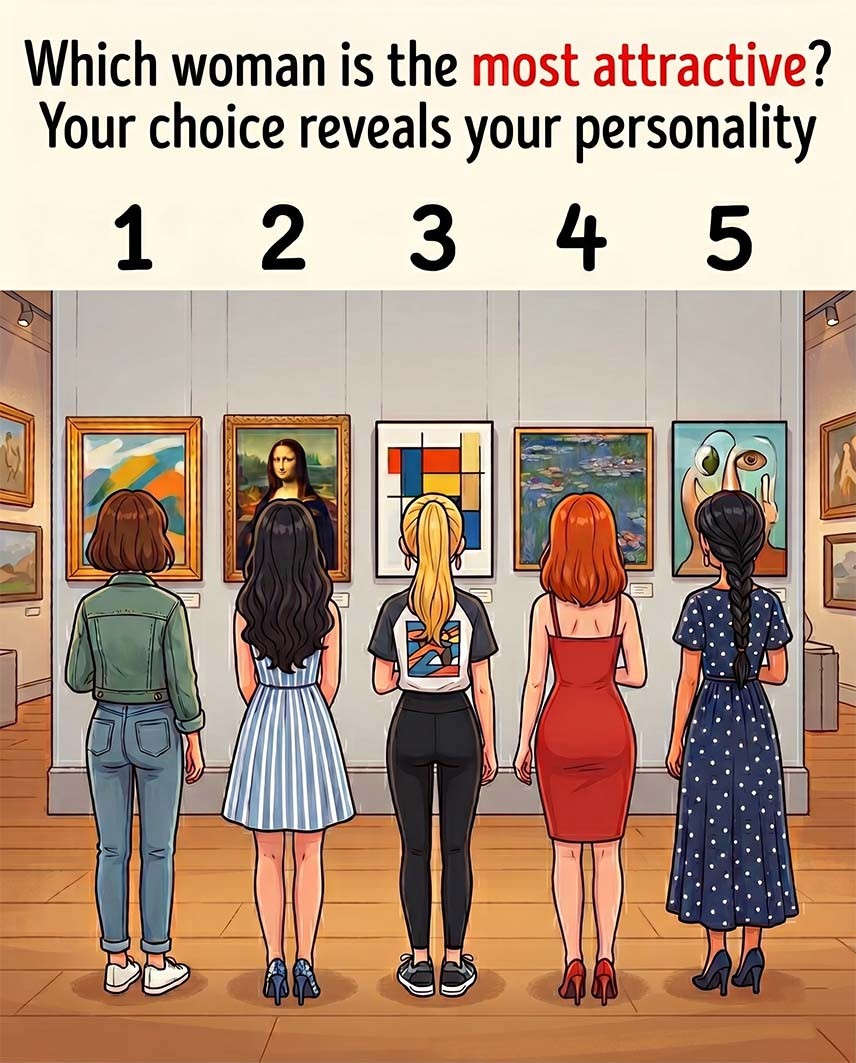
The “Real Over Perfect” Type, the Hopeless Romantic, and the Independent Mind
Personality labels can be appealing because they offer simple language for describing patterns people recognize in themselves and others. Phrases such as “real over perfect,” “hopeless romantic,” and “independent mind” are widely used online to describe values, relationship preferences, and social styles. They are not clinical diagnoses, and no short description can fully define a person. Still, these archetypes can be useful starting points for reflection when they are treated as flexible observations rather than fixed categories.
Modern psychology generally views personality as a combination of relatively stable tendencies, life experience, culture, relationships, and changing circumstances. A person may value authenticity while also enjoying social recognition. Someone may be deeply romantic yet practical in important decisions. An independent thinker may still rely on a close community. Understanding these apparent contradictions is often more helpful than trying to fit neatly into one label.
This guide explores three familiar archetypes: the person who chooses genuine connection over appearances, the person who seeks emotional meaning in romance, and the person who values individuality over conformity. Each style can bring meaningful strengths, as well as common challenges that are worth approaching with self-awareness and compassion.
The “Real Over Perfect” Type: Why Authenticity Builds Trust
The “real over perfect” type is often described as someone who is less interested in polished appearances than in whether a person feels sincere. They may notice tone, consistency, body language, and the difference between what someone says and how they behave. Rather than being impressed by status, popularity, or a carefully curated image, they may place greater value on honesty, reliability, humility, and emotional steadiness.
In everyday life, this preference can show up in many ways. A person who values authenticity may prefer a small group of trusted friends to a large social circle. They may be uncomfortable with exaggerated self-promotion, insincere compliments, or relationships that feel transactional. They may also take time before opening up, not because they lack warmth, but because they want to understand whether a connection is dependable.
Research on trust and relationships supports the importance of perceived sincerity. Trust tends to grow when people communicate clearly, follow through on commitments, acknowledge mistakes, and show that their actions match their words. Authenticity does not mean sharing every thought or private detail. Healthy authenticity includes boundaries, discretion, and respect for the privacy of others. It is better understood as behaving in ways that align with one’s values.
A Strength: Being Grounded and Genuine
A major strength of this personality style is that others may feel comfortable around it. People often respond positively to someone who is attentive without being performative, confident without trying to dominate a conversation, and honest without being needlessly harsh. A grounded presence can create emotional safety, especially in friendships and relationships where people want to feel accepted without having to maintain an image.
Individuals who do not chase attention can also bring valuable perspective to group settings. They may be less influenced by short-lived trends or social pressure and more likely to consider what feels meaningful over the long term. This can make them dependable colleagues, friends, and partners when difficult decisions arise.
A Challenge: Becoming Too Guarded
Authenticity-focused people may sometimes be perceived as reserved, skeptical, or difficult to know. If they have previously experienced disappointment, they might be especially alert to signs that someone is being dishonest or superficial. While caution can be protective, excessive vigilance can make it harder to form new connections. Not every quiet person is distant, and not every outgoing person is insincere.
A useful balance is to allow trust to develop gradually. Instead of expecting immediate proof that someone is completely genuine, people can look for patterns over time. Small acts of consistency, respectful communication, and shared effort are often more meaningful than dramatic declarations. Being authentic also means being honest about one’s own needs, including the need for time, space, and reassurance.
The Hopeless Romantic: Seeking Connection Beyond Attraction
The “hopeless romantic” archetype is commonly associated with people who believe that relationships should involve emotional connection, care, shared meaning, and a sense of possibility. They may enjoy thoughtful gestures, memorable conversations, symbolic traditions, music, art, or stories that emphasize love and commitment. Physical attraction may matter to them, but it is usually not enough on its own. They are often looking for emotional resonance and a sense that a relationship has depth.
Being romantic is not inherently unrealistic. Many healthy relationships are strengthened by affection, appreciation, and intentional acts of care. Researchers who study close relationships have repeatedly found that responsiveness matters: people tend to feel closer when they believe their partner understands, values, and supports them. Small moments, such as listening carefully after a difficult day or remembering something important, can be more significant than expensive displays.
A Strength: Emotional Awareness and Warmth
People with a romantic outlook may be particularly attuned to feelings, atmosphere, and the emotional needs of those around them. They may express appreciation openly and find joy in helping others feel seen. Friends and partners can experience this as comforting because the romantic person often notices details that others might overlook: a change in mood, an important date, a quiet achievement, or a need for encouragement.
This emotional depth can also support creativity and empathy. Many people who value romance are drawn to beauty that feels meaningful, whether in literature, music, travel, or daily rituals. Their appreciation of emotional nuance can help them create relationships that feel intentional rather than routine.
A Challenge: Idealizing People or Relationships
The potential difficulty comes when hope turns into idealization. A person may unintentionally imagine qualities in someone before those qualities have been demonstrated, or they may believe a strong emotional spark is enough to resolve important incompatibilities. Real relationships require more than chemistry. They also depend on mutual respect, communication, aligned expectations, practical cooperation, and the ability to handle disagreement constructively.
A balanced romantic outlook makes room for both tenderness and reality. It recognizes that a supportive relationship does not need to be perfect to be meaningful. Disagreements, ordinary routines, and individual differences are normal. What matters is how people respond to those moments: whether they listen, take responsibility, repair hurt feelings, and continue treating each other with care.
For romantics, one helpful practice is to distinguish between potential and evidence. Potential is what a relationship could become; evidence is what both people are consistently doing now. Paying attention to evidence does not make love less meaningful. It can help ensure that affection is directed toward a relationship that is safe, reciprocal, and sustainable.
The Independent Mind: Individuality, Creativity, and Self-Direction
The independent mind is often described as someone who does not automatically follow the crowd. This person may have unconventional interests, strong personal preferences, or a willingness to question popular assumptions. They can be creative, self-directed, and comfortable making choices that do not receive universal approval. In social settings, they may seem unpredictable simply because they are less guided by expectations about what they should like, wear, say, or pursue.
Independence is a valuable quality in many areas of life. It can encourage critical thinking, innovation, and personal responsibility. People who are willing to explore ideas independently may identify problems that others overlook or develop original solutions. In education and work, intellectual independence can support curiosity and thoughtful decision-making, particularly when it is paired with sound evidence and openness to feedback.
A Strength: Confidence in Being Different
One of the most positive aspects of this archetype is the ability to maintain a sense of self. Independent people may be less likely to make major choices solely to gain approval. They can be comfortable pursuing a niche hobby, choosing an unconventional career path, or expressing an opinion that differs from the majority. This does not necessarily mean they reject everyone else’s views; rather, they want their choices to feel personally considered.
Independent thinkers can also contribute positively to groups. A team made up entirely of people who agree quickly may miss important risks or alternative possibilities. Respectful disagreement can improve decisions by encouraging people to explain their reasoning, review evidence, and consider different perspectives. The goal is not to be different for its own sake, but to think carefully before accepting an idea.
A Challenge: Confusing Independence With Isolation
The phrase “I would rather stand alone than fit in” can feel empowering, especially for someone who has felt misunderstood. However, independence does not require isolation. People remain social beings, and meaningful connection can coexist with a strong sense of individuality. Accepting support, collaborating with others, and changing one’s mind after receiving new information are not signs of weakness.
Independent people may sometimes resist advice because they fear losing autonomy. In healthy relationships, though, advice does not have to be a command. Trusted friends, family members, mentors, and professionals can offer perspectives that help a person make better-informed choices. The final decision may still be individual, but thoughtful input can be valuable.
Why These Personality Archetypes Often Overlap
Although these three descriptions are presented separately, they commonly overlap. A person who values authenticity may also be romantic because they want sincere emotional connection. A romantic person may be independent because they refuse to settle for relationships that do not reflect their values. An independent thinker may appear reserved at first because they prefer to build trust slowly.
Psychological research does not support the idea that people can be fully understood through a single internet personality category. Established models of personality, such as the Five-Factor Model, describe traits along dimensions rather than absolute types. For example, a person can be highly open to new experiences while also being cautious in relationships, or highly conscientious at work while being spontaneous in their social life.
Context matters as well. People can become more guarded after a disappointment, more expressive when they feel safe, or more independent during a period of major change. Personality is not entirely fixed, and healthy growth often involves learning when to rely on one’s own judgment and when to welcome connection.
Using Personality Descriptions for Healthy Self-Reflection
These archetypes are most useful when they encourage curiosity rather than judgment. Instead of asking, “Which type am I?” it may be more helpful to ask, “What values matter most to me in relationships and daily life?” Someone who prioritizes authenticity might focus on communicating more openly. A romantic person might consider how to keep hope while recognizing real-world compatibility. An independent thinker might explore ways to protect autonomy without shutting out supportive relationships.
Self-reflection can also improve communication. Explaining that you need time to trust people, appreciate thoughtful gestures, or prefer to make decisions independently gives others a clearer understanding of your needs. At the same time, listening to how other people experience closeness and independence can prevent misunderstandings.
There is no ideal personality style. Authenticity can become guardedness if it lacks openness. Romance can become disappointment if it lacks realism. Independence can become loneliness if it rejects connection. Each trait becomes more constructive when paired with balance: honesty with kindness, emotional warmth with boundaries, and individuality with mutual respect.
Ultimately, people are more complex than any label. The most meaningful goal is not to become a particular archetype, but to develop self-knowledge, treat others thoughtfully, and build relationships based on trust, care, and respect.

Sources
Disclaimer: This content is intended for entertainment purposes only and is not based on real events.