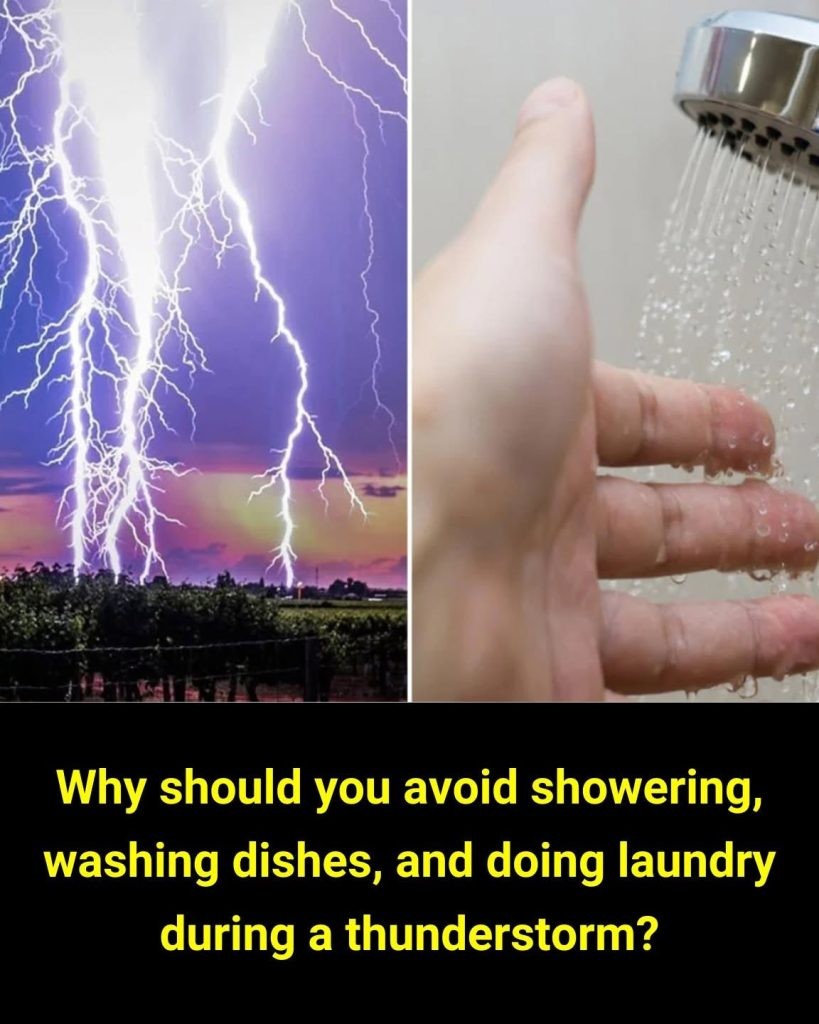
Thunderstorms Can Be Dangerous Even When You Are Indoors
Thunderstorms can create safety risks even after people have moved inside. A substantial building is one of the safest places to be when lightning is present, but indoor shelter does not make every activity equally safe. Lightning can affect electrical wiring, plumbing, metal components, and connected devices, meaning a few simple precautions may help reduce the risk of injury.
Public safety agencies, including the U.S. National Weather Service and the U.S. Centers for Disease Control and Prevention, advise people to treat thunder as an immediate warning. If thunder can be heard, lightning is close enough to pose a threat. The most reliable response is to go indoors promptly and remain there until the storm has clearly moved away.
Understanding how lightning interacts with homes and other buildings can help households make informed decisions during severe weather. This includes knowing why it is wise to avoid showers and other plumbing, unplugged or corded electrical equipment, windows, and exposed concrete surfaces while a storm is underway.
Why Lightning Can Be a Risk Inside a Building
Lightning is a powerful electrical discharge produced by thunderstorms. It may travel between clouds, within clouds, or from a cloud to the ground. When a cloud-to-ground strike occurs near or on a building, the electrical energy can move through conductive pathways. These pathways may include electrical wiring, plumbing, metal frames, cable systems, and reinforcing bars within concrete.
A properly enclosed, substantial building offers significant protection because its structure can help direct electrical current around occupants and toward the ground. This is one reason experts distinguish a real building from open-sided shelters, tents, small outdoor structures, or temporary covered areas. Gazebos, picnic shelters, dugouts, and bus stops do not provide reliable protection from lightning.
However, being indoors does not mean that people should ignore the systems connected throughout a home. A lightning strike can cause electrical surges, and its energy may travel through wires or pipes. The risk is uncommon, but the potential consequences are serious enough that weather agencies recommend avoiding unnecessary contact with these systems until the storm has passed.
Why You Should Avoid Showering During a Thunderstorm
One of the best-known indoor lightning precautions is to avoid showering, bathing, washing dishes, or doing laundry during a thunderstorm. These activities involve water, plumbing fixtures, and pipes that can provide a route for electrical current if lightning strikes a building or nearby infrastructure.
Showers and baths deserve particular caution because they combine running water with extensive contact between a person and plumbing fixtures. The National Weather Service advises against using plumbing during a thunderstorm, including taking showers, baths, or washing dishes. This recommendation applies even in homes that use plastic pipes.
Metal pipes can conduct electricity, but plastic plumbing does not completely remove the concern. Plumbing systems often include metal fixtures, valves, water heaters, connectors, or other components. In addition, the water itself and the broader network of pipes and appliances may provide pathways for electrical energy under certain circumstances.
The practical advice is straightforward: delay showers and other water-related chores when thunder is audible. Wait until the storm has passed and the recommended safety period has elapsed. For most households, postponing a bath, load of laundry, or dishwashing task is a simple precaution that avoids an unnecessary exposure.
Electrical Safety During Lightning
Electrical systems are another important consideration during thunderstorms. Lightning can create a surge that travels through utility lines and household wiring. For this reason, the CDC and National Weather Service recommend avoiding contact with corded electrical equipment and devices connected to wall outlets during an active storm.
Examples include desktop computers, televisions, game consoles, kitchen appliances, wired internet equipment, and tools that are plugged into mains electricity. It is also sensible to avoid plugging in or unplugging devices while lightning is nearby. Surge protectors can help protect equipment from some power fluctuations, but they should not be viewed as personal protection against lightning.
Wireless devices are generally safer to use indoors because they are not physically connected to a building’s electrical wiring. A mobile phone, tablet, or laptop running on battery power can usually be used during a storm. The key distinction is whether the device is connected to a charger or outlet. If it is charging through a wall connection, it is better to wait until the thunderstorm has passed.
Corded landline telephones should also be avoided during lightning. A strike can travel through telephone lines, creating a risk for someone holding a wired receiver. Mobile phones and cordless phones are safer alternatives, provided they are not plugged in and charging.
Stay Away From Windows, Doors, and Openings
During a thunderstorm, people should remain away from windows, exterior doors, balconies, and other openings to the outside. Strong winds, heavy rain, and airborne debris can create hazards near glass and entrances. In rare cases, lightning may enter through openings or travel along conductive materials close to windows and doors.
It is also sensible to avoid leaning against exterior walls or standing near open garage doors. Closing windows and doors before a storm arrives can help limit wind-driven rain and reduce exposure to weather-related damage. Once the storm is active, staying in an interior area of the building is generally the most cautious option.
People should not watch lightning from a porch, doorway, open window, or garage. These locations may feel sheltered, but they are not the same as being fully inside a secure building. The safest choice is to move farther indoors and stay there until the danger has passed.
Concrete Floors and Walls Can Contain Metal Reinforcement
Some public safety guidance also recommends avoiding contact with concrete floors and walls during thunderstorms. Many concrete structures contain steel reinforcing bars, wire mesh, or other metal materials. These components can conduct electrical current if lightning affects the building.
This does not mean people need to panic if they are standing on a concrete floor. Instead, it is a practical reason to avoid lying on concrete, leaning against concrete walls, or taking unnecessary contact with such surfaces during an active storm. Moving to a comfortable interior location and avoiding plumbing and electrical connections is usually sufficient.
How Powerful Is Lightning?
Lightning is among nature’s most dramatic electrical events. According to the National Weather Service, a lightning channel can heat the surrounding air to about 50,000 degrees Fahrenheit, or roughly 27,760 degrees Celsius. The air expands rapidly because of this intense heat, producing the shock wave that people hear as thunder.
The sound of thunder is therefore an important safety signal. Light travels much faster than sound, which is why a flash is seen before the thunder is heard. People sometimes estimate the distance to lightning by counting the seconds between the flash and the thunder, then dividing by five to calculate an approximate distance in miles. A five-second gap, for example, suggests that lightning is around one mile away.
While this calculation can illustrate how close a storm may be, it should not be used to decide whether it is safe to stay outside. If thunder is audible, the storm is close enough for lightning to strike in the area. The simple safety message used by weather agencies is: “When thunder roars, go indoors.”
How Lightning Injuries Can Occur
Lightning-related injuries do not require a person to be directly struck by a bolt. The CDC describes several ways people can be affected, including direct strikes, contact with objects that have been struck, electrical current traveling through the ground, and a side flash that jumps from a nearby object to a person.
For example, a strike to a tree, pole, fence, building, or utility line can create dangerous currents in the surrounding area. This is why taking shelter under a tree is unsafe, despite the instinct to seek cover from rain. Trees can be struck directly, and electrical energy may travel through the trunk, branches, ground, or nearby air.
Lightning can cause a wide range of health effects, from temporary symptoms to serious medical emergencies. Anyone believed to have been struck by lightning should receive urgent medical attention. It is safe to touch a person after a lightning strike because they do not retain an electrical charge. Call emergency services immediately, and begin CPR if needed and if it is safe to do so while waiting for trained responders.
The 30-Minute Rule for Thunderstorm Safety
Lightning can strike well beyond the area of heaviest rain. A storm may appear to be moving away, while dangerous lightning remains possible. For this reason, the National Weather Service recommends waiting at least 30 minutes after the last sound of thunder before returning to outdoor activities.
This guidance is especially important for sports teams, schools, outdoor workers, event organizers, hikers, and families at parks or pools. Resuming activity too early can expose people to lightning that occurs on the edge of a storm system. Designating a responsible person to monitor weather alerts and track the time of the last thunder can make group activities safer.
A hard-topped vehicle with the windows closed can provide useful temporary shelter when a substantial building is not available. The protection comes mainly from the vehicle’s metal frame, which can route electrical current around the occupants. Convertibles, motorcycles, golf carts, and open utility vehicles are not safe lightning shelters.
Practical Indoor Thunderstorm Safety Checklist
When a thunderstorm approaches, preparation can make safety steps easier. Check weather forecasts, enable official emergency alerts on mobile devices, and bring children, pets, and outdoor equipment inside where practical. Once thunder is heard, follow these basic precautions:
- Move into a substantial, fully enclosed building.
- Stay away from windows, exterior doors, porches, and open garages.
- Do not shower, bathe, wash dishes, or use other plumbing.
- Avoid corded phones and plugged-in electrical devices.
- Use battery-powered mobile devices if needed, rather than devices connected to chargers.
- Avoid leaning on concrete walls or lying on concrete floors.
- Wait 30 minutes after the last thunder before going outdoors again.
These measures are not intended to create fear. Rather, they reflect a practical understanding of how lightning behaves and how buildings are connected to electrical and plumbing infrastructure. Most thunderstorms pass quickly, and a short period of caution can greatly reduce avoidable risk.
Why Lightning Awareness Matters
Thunderstorms are common in many parts of the world, and they can develop rapidly. Climate, geography, season, and local weather patterns all influence when and where thunderstorms form. In the United States, lightning safety education is particularly emphasized during warmer months, when outdoor recreation, sports, work, and travel often increase exposure.
Clear public guidance has helped reinforce an important message: no outdoor place is safe when thunderstorms are nearby. Moving inside early, avoiding plumbing and wired electrical systems, and waiting for 30 minutes after the final thunder are accessible actions for most people.
For households, schools, workplaces, and community organizations, lightning preparedness can be part of a broader severe-weather plan. Knowing where to shelter, keeping emergency contact information available, monitoring official forecasts, and teaching children to respond immediately to thunder can all support safer decisions when storms develop.
Sources
Disclaimer: This content is intended for entertainment purposes only and is not based on real events.