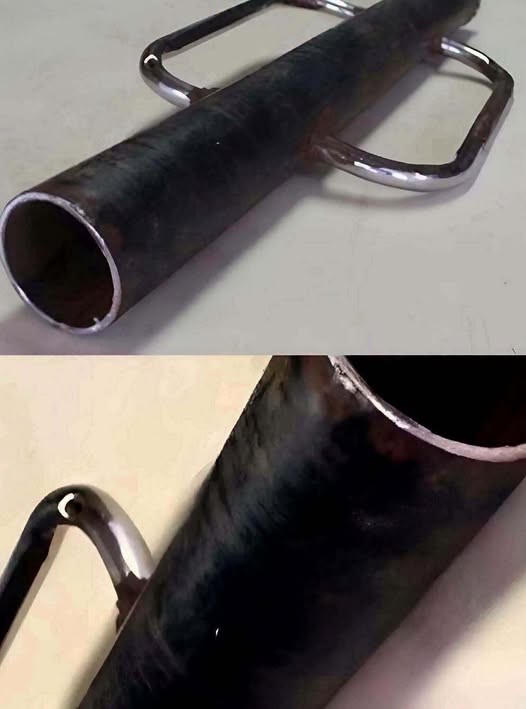
What Is This Unusual Steel Object?
At first glance, an unfamiliar piece of old steel can look like little more than scrap metal: heavy, solid, oddly shaped, and clearly made for a practical purpose. Yet when there are no labels, instructions, or obvious modern markings, identifying it can become surprisingly difficult.
That is the appeal of mystery objects. A curved edge, a drilled opening, a thickened section, or an unusual notch may appear random to a modern observer. To a mechanic, farmer, machinist, blacksmith, carpenter, or industrial historian, however, those same details may point to a specific tool or machine system.
Without a clear photograph, measurements, markings, and information about where an object was found, it is not responsible to claim a definitive identification. An isolated steel component could be a hand tool, a replacement part, a bracket, a clamp, an agricultural attachment, or one piece of a larger machine. Still, its design can offer valuable clues about its original function.
Why Identifying Old Steel Objects Is So Challenging
Older tools and mechanical components can be difficult to identify because they were often designed around a single task. Unlike many modern consumer products, historic workshop and farm equipment was not always intended to be visually intuitive. Its shape was determined by strength, fit, movement, wear resistance, and the practical needs of the job.
Manufacturing also changed significantly during the nineteenth and twentieth centuries. Many once-common tools have been replaced by powered equipment, standardized hardware, automated machinery, and newer materials. A component that was familiar in a blacksmith’s shop, railway workshop, dairy barn, or repair garage decades ago may now be unfamiliar outside specialist communities.
In addition, old objects are frequently discovered out of context. A machine part found alone in a shed does not reveal the machine it belonged to. A piece removed during a repair may have been stored for years and later mistaken for an independent tool. Even experts can find it difficult to identify an item when its associated equipment, manufacturer’s manual, or original location is no longer available.
Start With the Object’s Physical Features
The best first step in identifying an unknown steel object is careful observation. Rather than starting with assumptions, examine its physical properties and record what can be verified. Basic information can substantially improve the chances of a reliable identification.
Useful details include:
- Overall length, width, thickness, and weight
- The type of metal, such as cast iron, forged steel, or stamped steel
- The number, size, and position of holes or slots
- Whether holes are threaded, smooth, tapered, or worn
- The presence of curves, teeth, hooks, channels, or raised edges
- Signs of motion, including pivots, hinges, pins, or polished contact points
- Paint remnants, protective coatings, stamped numbers, logos, or initials
- Evidence of repairs, welding, bending, or replacement parts
A circular opening may indicate that the object fitted around a shaft, axle, bolt, pipe, or rod. Several holes could suggest adjustable mounting positions. A broad curved section might have matched the shape of a wheel, drum, blade, or other rounded component. Thick metal and reinforced edges may indicate that the part was built to resist force, vibration, friction, or repeated impact.
Wear patterns are especially useful. A smooth, polished area can indicate repeated contact with another moving surface. Deep grooves may show where a cable, chain, belt, or rod once ran. Rust can obscure details, but it can also reveal which areas were protected by contact or paint and which were exposed to moisture.
Was It a Tool or Part of a Larger Machine?
One of the most important questions is whether the steel item was designed to be used on its own. Many objects that appear to be strange tools are actually components removed from larger equipment.
A single gear, bracket, lever, guard, linkage, or mounting plate may make little sense when separated from the machine that used it. The original purpose becomes clearer only when the component is viewed alongside other parts. For example, a small steel piece may have guided a belt, held a blade in alignment, secured a wheel assembly, controlled a lever, or attached an implement to a frame.
This is why photographs can lead to many competing answers. People are trying to reconstruct an entire mechanical system from one object. A resemblance to a familiar tool may be useful as a starting point, but it does not prove that the item was made for that purpose.
Possible Links to Workshops and Trades
Traditional workshops used a remarkable variety of specialized equipment. Woodworkers, metalworkers, wheelwrights, cobblers, coopers, printers, mechanics, and other trades relied on tools designed for highly specific jobs. Some were handmade or modified locally, making them even harder to match with catalogues or museum collections.
Old workshop tools often show signs of repeated manual use. They may have handles, gripping surfaces, cutting edges, leverage points, or fittings for a vice or workbench. However, the absence of a wooden handle does not necessarily mean an item was never a hand tool. Wood, leather, and other organic materials can deteriorate or be removed, leaving only the steel portion behind.
Industrial tools and machine components may be more standardized. Cast lettering, patent dates, part numbers, and manufacturer marks can sometimes be found beneath rust or old paint. These identifiers are among the most valuable clues because they may lead directly to archived catalogues, machinery manuals, or historical advertisements.
Could the Object Be Connected to Agriculture?
Agricultural equipment is another strong possibility for many unidentified steel items, especially those found in barns, outbuildings, old farmyards, or rural storage areas. Farming equipment was commonly made from strong steel or iron because it had to withstand soil, moisture, weather, vibration, and heavy loads.
Historic farm machinery included ploughs, cultivators, seed drills, hay rakes, harvesters, threshing machines, animal-drawn implements, pumps, mills, and repair equipment. Each machine could include dozens of brackets, hooks, linkages, clamps, bearings, guides, and adjustable parts.
A durable component may survive long after the rest of the machine has been dismantled, sold for scrap, or replaced. Its shape may be related to a very ordinary agricultural task, such as adjusting depth, holding a blade, guiding a chain, connecting a drawbar, or supporting a rotating mechanism. Yet without the surrounding assembly, the part can look almost impossible to interpret.
Construction, Transport, and Household Machinery
Construction and transport industries also produced countless specialized steel components. Hardware used in scaffolding, lifting equipment, rail systems, handcarts, engines, pumps, and maintenance machinery was designed for secure placement and reliable performance. A bracket or clamp from one of these systems may have a distinctive shape that seems unfamiliar when found alone.
Older household machinery should not be overlooked either. Before compact electric appliances became common, homes often used hand-powered devices for laundry, food preparation, sewing, heating, gardening, and repair work. A steel item may have belonged to a washing device, sewing machine, stove, grinder, garden implement, or household repair kit.
Location can help narrow the possibilities. An object found in a garage may suggest automotive or mechanical work. One found near a stable may relate to animal care or farm equipment. An item recovered from a former industrial property may require comparison with machinery used at that particular site. Context does not provide certainty, but it can rule out unlikely explanations.
How Museums and Collectors Identify Unknown Items
Historical organizations generally rely on evidence rather than guesswork when identifying unfamiliar artifacts. Museum curators and conservators may compare the item with documented examples, manufacturer catalogues, patent records, archival photographs, trade manuals, and known collections. They also consider material, construction methods, provenance, and signs of use.
For a privately owned mystery object, a similar process can be helpful. Take clear photographs from several angles, including close-ups of all holes, marks, edges, and damaged areas. Place a ruler or another known-size item beside it for scale. Record the exact dimensions and weight if possible.
It is also useful to document where and when the item was found. Ask previous property owners, relatives, neighbours, or local history groups whether they remember machinery, workshops, or agricultural activity connected to the location. A small detail about a former blacksmith’s shop, repair business, or farm can provide the missing context.
Use Online Communities Carefully
Online identification groups can be useful because they bring together collectors, retired tradespeople, engineers, historians, and enthusiasts from many regions. A person with direct experience may recognize a component immediately. However, online suggestions should be treated as leads rather than final proof.
The most useful answers usually explain why an object fits a proposed identification. They may point to matching holes, dimensions, wear patterns, catalogued examples, or historical photographs. A confident answer without evidence may be interesting, but it should not be accepted as certain.
When handling older metal items, safety matters. Heavy objects can have sharp edges, unstable rust, or hidden damage. Wear appropriate gloves, avoid forcefully cleaning or grinding the object, and seek professional advice before using chemicals or attempting repairs. Aggressive cleaning can remove paint, markings, or surface evidence that helps establish the object’s history.
The Value of an Unsolved Object Mystery
An unidentified steel object does not need to be rare, valuable, or dramatic to be worth investigating. Its interest may lie in the ordinary work it once supported. It may have helped someone repair machinery, cultivate land, build a structure, maintain a vehicle, or complete a specialized task that has since become less visible in daily life.
These objects are reminders that technology has a history. A seemingly obscure bracket, guide, or tool may represent practical knowledge that was once widespread within a particular trade or community. As equipment changes, the purpose of such objects can be forgotten, even though the steel itself remains.
The most accurate conclusion is therefore a cautious one: the unusual piece of steel was almost certainly manufactured for a specific function, but its identity cannot be confirmed without more evidence. Its openings, curves, thickness, marks, and wear patterns may hold the answer. A clearer image, a measurement, a maker’s stamp, or information about where it was found could turn a puzzling object into a documented piece of industrial, agricultural, or domestic history.
Sources
Disclaimer: This content is intended for entertainment purposes only and is not based on real events.