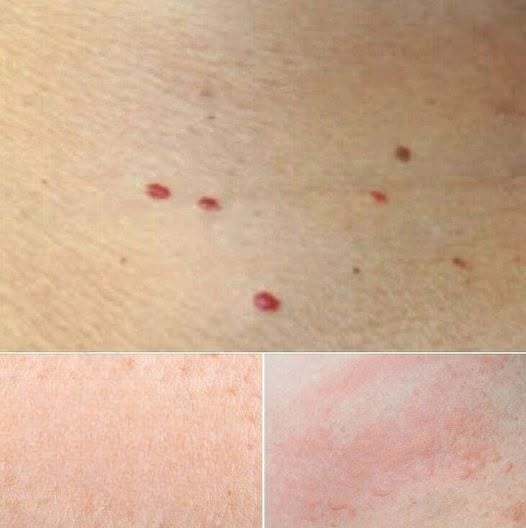
Red Dots on Skin: Common Causes, Warning Signs, and When to Seek Care
New red dots on the skin can be unsettling, particularly when they develop suddenly or have no obvious explanation. In many cases, these marks are harmless and linked to common skin changes, temporary irritation, heat exposure, insect bites, or inflammation around hair follicles. Some red spots, however, can indicate bleeding beneath the skin, an allergic reaction, infection, or a medication-related problem that should be evaluated by a healthcare professional.
There is no single explanation for every red spot. Similar-looking marks can have very different causes depending on whether they are raised or flat, itchy or painful, temporary or persistent, and whether they appear with symptoms such as fever, unusual bruising, swelling, or breathing difficulty. Skin tone also affects how rashes and inflammation appear: redness may look bright red on lighter skin but may appear purple, brown, dark red, gray, or less distinct on darker skin.
A photograph, social-media post, or online image search cannot provide a reliable diagnosis. The safest approach is to observe the spots carefully, consider recent exposures and symptoms, and seek medical guidance when the cause is uncertain or concerning.
How to Assess Red Dots on the Skin
Before applying a new cream or trying a home remedy, note the characteristics of the skin changes. A clinician will often consider the appearance, location, timing, medical history, medications, and other symptoms when assessing a rash or unexplained spots.
Useful details to observe include:
- Whether the spots are flat, raised, rough, scaly, or fluid-filled
- Whether they itch, sting, burn, hurt, or bleed
- Whether they appeared suddenly or gradually
- Whether they remain in one area or spread to other parts of the body
- Whether they are located around hair follicles
- Whether they fade when gentle pressure is applied
- Whether there is fever, fatigue, swelling, bruising, bleeding, or difficulty breathing
- Whether a new medicine, cosmetic, detergent, food, supplement, or skin-care product was recently introduced
- Whether there has been recent heat exposure, exercise, shaving, travel, outdoor activity, or insect exposure
Good lighting can make changes easier to track. Taking clear photographs over several days may help document whether the spots are spreading, changing color, or improving. Photographs are useful for monitoring, but they should not replace professional assessment when warning signs are present.
Cherry Angiomas: Common Harmless Red Spots
Cherry angiomas are among the most common explanations for small, bright-red spots in adults. Sometimes called Campbell de Morgan spots, they are harmless growths involving small blood vessels in the skin. They can begin as tiny flat marks and may become slightly raised over time. Their color ranges from bright red to dark red, maroon, or purple.
These spots often develop on the trunk, chest, back, abdomen, arms, or shoulders. They tend to become more common with age, and some people develop many of them. According to NHS dermatology information, cherry angiomas are generally benign and are not considered precancerous.
Most cherry angiomas do not need treatment. They can bleed if scratched, shaved, or rubbed by clothing, and a medical professional can assess a spot that repeatedly bleeds, becomes irritated, or changes noticeably. People may also choose cosmetic removal, which can be performed by a qualified clinician using methods such as laser treatment, electrosurgery, or freezing.
It is not advisable to cut, burn, puncture, or attempt to remove a red spot at home. Besides the risk of bleeding, infection, and scarring, it is important to confirm that the spot is actually a cherry angioma before treating it.
Petechiae and Purpura: Small Spots Caused by Bleeding Under the Skin
Petechiae are tiny, flat red, purple, or brown spots caused by small amounts of bleeding under the skin. They occur when very small blood vessels, known as capillaries, leak. Petechiae are usually very small and often do not fade when pressure is applied. Larger patches of bleeding beneath the skin may be described as purpura.
Some cases have a relatively minor explanation. For example, forceful coughing, vomiting, straining, heavy lifting, or prolonged crying can temporarily increase pressure in small blood vessels and cause spots around the face, neck, or upper chest.
However, unexplained petechiae can also be associated with conditions that affect platelets, blood clotting, blood vessels, immune function, or infection. Certain medicines and treatments may also affect blood cells or clotting. Because the causes vary widely, new non-blanching spots should not be self-diagnosed from an image.
Contact a healthcare professional promptly if petechiae appear without a clear reason, spread rapidly, return repeatedly, occur with unexplained bruising or bleeding, or develop alongside fever or a person feeling generally unwell.
What Is the Blanching Test?
A common observation used in rash assessment is whether a spot “blanches,” meaning it becomes paler when pressed. People sometimes use a clear glass to apply gentle pressure to the skin. If redness fades temporarily, the rash is described as blanching. If the color remains visible, it is described as non-blanching.
This can provide useful information, but it is not a diagnostic test and cannot determine the cause of a rash. A non-blanching rash may occur for several reasons, including petechiae, and should be assessed in the context of other symptoms and the person’s overall condition.
Urgent medical attention is needed if a non-blanching rash appears with fever, severe headache, stiff neck, confusion, rapid deterioration, marked sleepiness, breathing problems, or rapid spread. Children with a new non-blanching rash should receive prompt medical assessment, particularly if they seem unwell. While many causes are not serious, medical guidance is important because some infections and blood-related conditions require early treatment.
Heat Rash and Sweat-Related Bumps
Heat rash, also known as prickly heat, can cause small red bumps or tiny blisters when sweat becomes trapped beneath the skin. It is more likely during hot and humid weather, after strenuous activity, or in areas where tight clothing traps heat and moisture.
Common sites include the neck, upper chest, back, underarms, groin, and skin folds. The rash may feel prickly, itchy, or uncomfortable. It can affect people of any age, although it is particularly common in infants and young children.
Cooling the skin, moving to a less humid environment, wearing loose and breathable clothing, and keeping the affected area dry may help. Thick oily products can sometimes worsen heat retention. Medical advice is appropriate if the area becomes increasingly painful, warm, swollen, or produces discharge, which may suggest a secondary skin infection.
Contact Dermatitis From Products and Irritants
Contact dermatitis is skin inflammation caused by direct contact with an irritant or allergen. Irritant contact dermatitis can result from repeated exposure to substances that damage the skin barrier, while allergic contact dermatitis involves an immune response to a specific substance.
Potential triggers include soaps, detergents, cleaning agents, fragrances, cosmetics, hair dye, adhesives, latex or other glove materials, metals in jewelry, plants, and some skin-care products. Repeated handwashing, wet work, and chemical exposure can also contribute.
The rash often appears where the product touched the skin. It may cause redness or darker discoloration, itching, dryness, cracking, swelling, small bumps, or blisters. Allergic contact dermatitis may develop a day or two after exposure, making the trigger harder to recognize.
If a new product seems responsible, stop using it and wash the area gently with lukewarm water. Avoid introducing several new treatments at once, as this can complicate efforts to identify the cause. A clinician or dermatologist may recommend treatment or patch testing when reactions are severe, persistent, or recurrent.
Hives and Allergic Reactions
Hives, medically known as urticaria, are raised itchy welts that can appear suddenly and change shape or location. They may be red, pink, pale, or similar in color to the surrounding skin depending on skin tone. Individual hives may fade within hours while new welts emerge elsewhere.
Possible triggers include infections, foods, medicines, insect stings, heat, cold, pressure, exercise, and stress. In some cases, no clear trigger is found. Unlike petechiae, hives are usually raised and often become paler when pressed.
Emergency care is necessary if hives occur with swelling of the lips, tongue, face, or throat; wheezing; difficulty breathing or swallowing; fainting; or severe dizziness. These symptoms may indicate a serious allergic reaction and require immediate medical attention.
Insect Bites and Folliculitis
Insect bites can produce itchy red bumps, sometimes appearing in clusters or lines. Mosquitoes, fleas, bedbugs, mites, and other biting insects can cause similar skin reactions, so appearance alone may not identify the source. Recent travel, time outdoors, pets, used furniture, open windows, or symptoms in other household members may offer useful clues.
Avoid scratching bites, because damaged skin can become infected. Seek medical advice if there is worsening pain, warmth, spreading redness, drainage, fever, or significant swelling. Immediate help is required for signs of a severe allergic reaction, including facial swelling or breathing difficulty.
Folliculitis is another common cause of red bumps. It occurs when hair follicles become inflamed and may look like small pimples, sometimes with a hair visible in the center. Shaving, sweating, friction, tight clothing, and poorly maintained hot tubs can contribute. Mild cases may improve with gentle cleansing and reduced friction, but painful, spreading, recurring, or fever-associated folliculitis should be assessed by a clinician.
Eczema, Dry Skin, and Medication-Related Rashes
Eczema can cause itchy, dry, inflamed skin with small bumps, rough patches, scaling, or cracking. Its appearance varies across skin tones, and it may look darker, purple, gray, or brown rather than bright red. Dry air, hot showers, fragranced products, environmental allergens, and stress can contribute to flare-ups.
Gentle fragrance-free moisturizers can help support the skin barrier. Persistent, widespread, or severe eczema may require a professional diagnosis and prescription treatment. Strong topical steroid products should not be used without appropriate guidance, especially on the face, near the eyes, or on young children.
Medicines can also cause rashes or, in some cases, affect blood cells and clotting. A reaction may occur soon after starting a medicine or later in treatment. Do not abruptly stop an important prescribed medicine unless emergency professionals advise it. Instead, contact the prescribing clinician or pharmacist for guidance.
Seek urgent care for a new medication-related rash accompanied by facial or throat swelling, breathing difficulty, blistering, peeling skin, sores involving the mouth or eyes, high fever, unusual bruising, bleeding, severe weakness, or confusion.
When Red Dots on Skin Need Emergency Care
Call local emergency services or seek emergency medical help if red or purple spots occur with any of the following:
- Fever and a rapidly spreading non-blanching rash
- Severe headache, neck stiffness, confusion, fainting, or extreme drowsiness
- Difficulty breathing, wheezing, or trouble swallowing
- Swelling of the lips, face, tongue, or throat
- Uncontrolled bleeding or widespread unexplained bruising
- Blistering, peeling, or painful skin
- Severe weakness or a markedly unwell appearance
- Red or purple spots in a child who appears ill
When someone appears seriously unwell, it is safer to seek prompt medical help than to try to identify the rash at home.
When to Book a Routine Medical Appointment
A non-emergency appointment is appropriate if red dots remain unexplained, continue to spread, repeatedly return, fail to improve, change in shape or color, bleed without being irritated, or become painful, warm, or swollen. Medical advice is also sensible when spots occur after starting a new medication or alongside persistent fatigue, joint pain, weight changes, or other ongoing symptoms.
A healthcare professional may examine the skin closely, review medications and recent exposures, and consider blood tests or other investigations if bleeding under the skin is suspected.
The Bottom Line
Red dots on the skin are common and frequently harmless. Cherry angiomas, heat rash, mild contact dermatitis, insect bites, eczema, and folliculitis are all possible explanations. Nevertheless, tiny flat spots that do not fade under pressure may represent petechiae, especially if they develop suddenly or occur with fever, bruising, bleeding, or illness.
The most useful response is neither panic nor dismissal. Pay attention to changes in appearance, associated symptoms, and recent exposures. Avoid cutting, burning, or applying multiple strong treatments to unexplained spots. When the cause is uncertain, the rash is changing, or warning signs are present, a qualified healthcare professional can provide the safest and most accurate assessment.
Sources
Disclaimer: This content is intended for entertainment purposes only and is not based on real events.