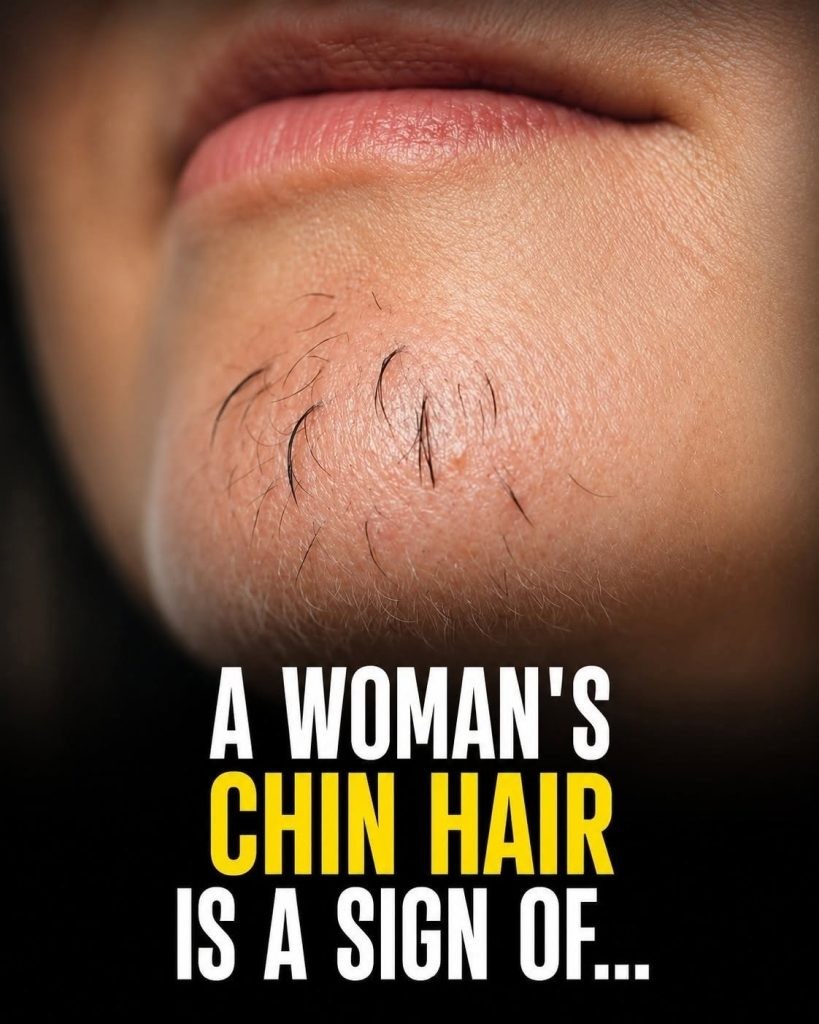
Why Do Women Get Chin Hair? Causes, When to Seek Care, and Treatment Options
Finding a few dark or coarse hairs on the chin is a common experience for many women. Although facial hair is often treated as a cosmetic concern, it is usually a normal variation in hair growth that can be influenced by genetics, age, hormone activity, and individual sensitivity of hair follicles.
For some people, chin hairs appear occasionally and remain stable over time. For others, facial hair may become more noticeable during puberty, pregnancy, perimenopause, or menopause. In a smaller number of cases, increased facial hair can be linked to a hormonal condition, a medication effect, or another health concern that deserves medical evaluation.
Understanding the difference between ordinary facial hair growth and changes that may need attention can help women make informed, comfortable choices about self-care and healthcare. A few chin hairs alone do not automatically indicate a medical problem, and there is no single “normal” amount of facial hair for every person.
Why Chin Hair Is Common in Women
Humans naturally have hair follicles over most of the body, including the face. Much of this hair is fine, light-colored vellus hair. However, some follicles can produce terminal hair, which is thicker, darker, and more visible. The chin, upper lip, jawline, and sideburn area are among the facial regions that may develop terminal hairs in women.
Hair growth is partly regulated by androgens, a group of hormones that includes testosterone. Although androgens are often described as male hormones, they are naturally present in people of all sexes. Women produce androgens in the ovaries and adrenal glands, generally at lower levels than men.
Importantly, visible facial hair does not always mean that androgen levels are unusually high. Some people simply have hair follicles that are more responsive to normal androgen levels. This follicle sensitivity is strongly influenced by inherited traits. Family patterns may explain why some women notice coarse chin hairs while others do not, even when both have healthy hormone levels.
Ethnicity and ancestry can also influence the amount, texture, and visibility of body and facial hair. Hair color and skin tone may affect how noticeable individual hairs appear, but visible facial hair is a normal human variation across populations.
Hormonal Changes That Can Affect Facial Hair Growth
Hormones naturally shift at different stages of life, and these changes can affect the appearance of chin hair. During puberty, increasing androgen activity can make body and facial hair more noticeable. This is a common part of physical development, though marked or rapidly progressing hair growth should be discussed with a clinician.
Pregnancy can also bring temporary changes in hair growth. Fluctuations in estrogen and other hormones may affect the hair cycle, and some people notice changes in hair texture or distribution. These changes often improve after pregnancy, although the timing varies from person to person.
Perimenopause and menopause are especially common times for women to notice darker hairs on the chin or jawline. As estrogen levels decline with age, the balance between estrogen and androgens changes. Even when androgen levels stay within a typical range, their effects may become more noticeable. At the same time, facial follicles may become more sensitive to hormonal signals.
This does not mean every new chin hair during midlife requires testing. A gradual increase in a few coarse hairs is often part of normal aging. However, a healthcare professional can help assess changes that are sudden, extensive, or accompanied by other symptoms.
Genetics and Hair Follicle Sensitivity
Genetics is one of the most important explanations for unwanted chin hair. People may inherit tendencies related to hair density, follicle sensitivity, hormone metabolism, and the age at which coarse facial hair becomes more likely. If close relatives have similar facial-hair patterns, genetics may be a major factor.
Hair growth also follows cycles. Individual hairs grow, rest, shed, and begin a new cycle at different times. This is why a chin hair can seem to appear suddenly even though the follicle has been present all along. Removing one hair does not cause more follicles to develop or make future hair grow back thicker. The blunt tip of a regrowing hair may feel coarser, but shaving or tweezing does not change the follicle’s underlying structure.
PCOS and Excess Facial Hair
One medical condition associated with increased facial or body hair is polycystic ovary syndrome, commonly known as PCOS. PCOS is a hormonal and metabolic condition that affects many women of reproductive age. It can involve higher androgen activity, irregular ovulation, and changes in how the body responds to insulin.
Possible signs of PCOS include irregular, infrequent, or absent menstrual periods; acne; scalp hair thinning; weight changes; difficulty becoming pregnant; and increased terminal hair on the face, chest, abdomen, or back. Not everyone with PCOS has the same symptoms, and the condition cannot be diagnosed based on chin hair alone.
Medical professionals use a person’s medical history, symptoms, physical examination, and sometimes blood tests or pelvic imaging when evaluating possible PCOS. Other conditions can produce similar symptoms, so accurate assessment matters. A clinician may also consider thyroid disorders, elevated prolactin levels, adrenal conditions, or other causes of menstrual and hormonal changes.
If facial hair has been present for years without other symptoms, it may simply be a normal inherited trait. But if it occurs with irregular periods, persistent acne, or other changes in health, asking about PCOS can be a reasonable step.
Medications and Other Potential Causes of Increased Hair Growth
Some medications may contribute to increased hair growth in certain people. The effect can depend on the medication, dose, length of use, and individual response. Drugs associated with excess hair growth in some cases include certain corticosteroids, medications containing or affecting hormones, minoxidil, cyclosporine, phenytoin, and some other prescription treatments.
It is important not to stop a prescribed medication without medical advice. Stopping treatment suddenly can be unsafe, particularly for medicines used to manage chronic conditions. Instead, anyone who notices a significant change in facial or body hair after beginning a medication should discuss it with the prescribing clinician or pharmacist. They can review whether the medication is a possible contributor and whether alternatives are appropriate.
Increased hair growth can occasionally occur with less common hormonal disorders involving the ovaries or adrenal glands. These conditions are uncommon, but clinicians may investigate them when hair growth begins rapidly, becomes severe, or is accompanied by symptoms of increased androgen activity.
When Should You Speak With a Healthcare Professional?
A few occasional hairs on the chin are generally not a medical emergency and often do not require treatment. However, it is sensible to arrange a healthcare appointment when facial hair growth is new, sudden, rapidly worsening, or distressing.
Medical advice may be particularly useful when increased facial hair appears alongside:
- Irregular, very infrequent, or absent menstrual periods
- New or persistent acne, especially after adolescence
- Unexplained scalp hair thinning or hair loss
- Difficulty becoming pregnant
- Significant weight changes or symptoms linked to blood-sugar concerns
- Rapid changes in body hair distribution
- Deepening of the voice or other unusual hormonal changes
These symptoms do not confirm any particular diagnosis. They simply provide useful information that can help a clinician decide whether testing is needed. A primary care doctor, gynecologist, dermatologist, or endocrinologist may be involved depending on a person’s symptoms and health history.
During an evaluation, a clinician may ask when the hair growth started, whether it has changed over time, what medications and supplements are being used, and whether menstrual cycles have changed. Blood tests may be considered to assess hormone levels or related conditions. The evaluation is individualized, and not everyone with chin hair needs extensive testing.
Options for Removing or Reducing Chin Hair
The best approach to chin hair is personal. Some women choose not to remove it, while others prefer temporary or longer-lasting hair-removal options. There is no medical requirement to remove facial hair if it is not causing discomfort or linked to an underlying condition requiring treatment.
Tweezing and Threading
Tweezing is a practical option for a small number of isolated chin hairs. It removes the hair from the root and can keep the area smooth for several weeks, although regrowth timing varies. Using clean tweezers and avoiding repeated irritation can reduce the risk of ingrown hairs or inflammation.
Threading is another method that removes hair from the root and is commonly used for facial areas. It may be suitable for people who prefer an alternative to waxing, though sensitivity and redness can occur temporarily.
Shaving and Dermaplaning
Shaving cuts hair at the skin’s surface and can be quick, affordable, and safe when done carefully with a clean razor. Contrary to a common myth, shaving does not make hair grow back thicker, darker, or faster. It may feel blunt during regrowth because the hair has been cut straight across.
Some people use facial razors or dermaplaning tools. Care should be taken to avoid cuts, irritation, and use on inflamed skin. People with acne, eczema, or other skin concerns may want advice from a dermatologist before trying a new technique.
Waxing and Depilatory Creams
Waxing removes hair from the root and can provide results that last longer than shaving. However, it may cause irritation, redness, or skin injury, especially for those using topical retinoids or certain acne treatments. It is important to follow product guidance and consider a patch test when appropriate.
Depilatory creams dissolve hair at or just below the skin surface. Facial formulas should be used only as directed, since the skin on the face can be sensitive. A patch test is important because these products may cause irritation or allergic reactions.
Laser Hair Removal and Electrolysis
Laser hair removal can reduce hair growth over multiple treatment sessions by targeting pigment in the hair follicle. Results vary based on hair color, skin tone, hormonal factors, and the technology used. It is often most effective for darker hairs, but advances in laser technology have expanded options for a wider range of skin tones. Treatment should be performed by an appropriately qualified and experienced professional.
Electrolysis uses a fine probe and electrical current to treat individual follicles. It can be used on different hair and skin colors and may offer permanent hair removal when performed over a series of sessions. Because each follicle is treated individually, it can take time, particularly over larger areas.
Medical Treatments for Unwanted Facial Hair
When unwanted facial hair is linked to a hormonal condition, treating the underlying cause may help reduce future growth. For example, PCOS management may include lifestyle support, menstrual-cycle management, or medications chosen according to a person’s symptoms, health history, and reproductive plans.
Healthcare professionals may prescribe hormonal treatments for some patients, including certain combined oral contraceptives or anti-androgen medicines. These options are not suitable for everyone and require medical supervision. Some treatments can take several months to affect hair growth because existing hairs must complete their natural growth cycle.
A prescription topical cream called eflornithine may also be used in some countries to slow the rate of facial-hair growth. It does not remove existing hairs, so it is often used alongside methods such as shaving, tweezing, laser treatment, or electrolysis. A clinician can explain benefits, possible side effects, and availability.
Supporting Body Confidence and Informed Care
Facial hair can affect confidence because social expectations about women’s appearance are often narrow and unrealistic. It is worth remembering that chin hair is common, and its presence does not determine health, hygiene, femininity, or attractiveness. Whether to remove it is a personal decision rather than a medical obligation.
At the same time, people deserve respectful healthcare if hair growth changes are causing concern or affecting wellbeing. A nonjudgmental conversation with a trusted clinician can provide reassurance, identify possible causes, and help create a treatment plan that matches individual preferences.
The Bottom Line on Chin Hair in Women
Chin hair in women is often a normal result of genetics, aging, and ordinary hormone activity. A few isolated coarse hairs are common, particularly with age and around menopause. Increased facial hair does not automatically mean someone has PCOS or another hormonal disorder.
However, sudden, rapidly increasing, or widespread facial hair growth—especially alongside irregular periods, acne, scalp hair thinning, or other hormonal symptoms—should be discussed with a healthcare professional. Evaluation can help rule out underlying concerns and identify appropriate options.
For those who want to manage chin hair, choices range from tweezing and shaving to laser hair removal, electrolysis, prescription creams, and medical treatment for contributing conditions. The right option depends on the cause of the hair growth, skin sensitivity, budget, health needs, and personal preference.
Sources
Disclaimer: This content is intended for entertainment purposes only and is not based on real events.