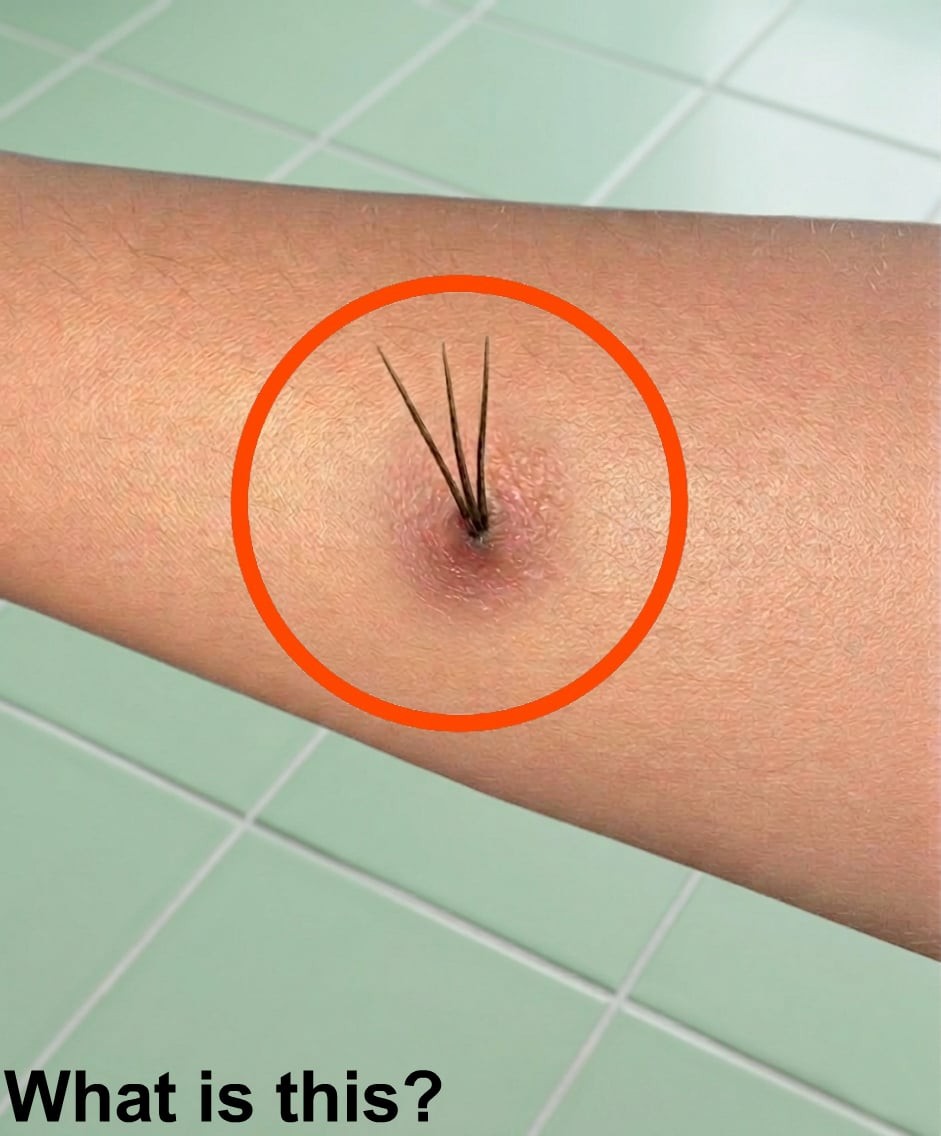
What Looked Like Something Growing From Skin Was Actually Plant Thorns
A strange mark on the skin can be alarming, especially when it appears suddenly after time outdoors. Thin, dark, spike-like objects emerging from the surface may trigger immediate worries about insects, parasites, infection, or an unknown skin condition. In many cases, however, an unsettling-looking discovery has a much simpler explanation: small plant thorns, splinters, bristles, or other fragments of vegetation caught in the outer layer of the skin.
This kind of situation highlights the value of pausing, observing carefully, and responding with practical first aid rather than panic. A close look in good lighting can often distinguish a superficial foreign object from a medical problem. It can also help people decide whether safe removal at home is appropriate or whether a healthcare professional should examine the area.
A Frightening Discovery After Time Outdoors
The experience began with a quick glance at the skin after being outside. At first, the small dark projections looked deeply concerning. They appeared like thin spikes pushing outward, creating the impression that something might be growing from beneath the skin. That interpretation can feel convincing in the moment, particularly when surprise and anxiety take over.
People commonly become more alert to unusual sensations after hiking, gardening, walking through tall grass, handling firewood, or moving through dense brush. A tiny sting that initially seemed insignificant may become more noticeable later, once a person has stopped moving and begins inspecting an irritated spot. Dust, sweat, minor redness, and shadows can make the area look more dramatic than it is.
In this case, the mind quickly moved toward worst-case explanations. The spikes looked unusual, and it was easy to imagine an insect bite, a parasite, or some other hidden cause. Yet careful observation changed the picture. The objects were not moving. They were rigid, brittle, and slightly glossy—qualities more consistent with plant material than with anything living.
How Plant Thorns and Splinters Can Become Embedded in Skin
Thorns are modified plant structures that can protect shrubs, vines, and other vegetation from animals. Depending on the plant, they may be stiff, sharp, and easy to break. Small fragments can enter the skin during ordinary outdoor activities, sometimes without causing enough immediate discomfort to draw attention.
Not all sharp plant material is technically a thorn. Botanists distinguish among thorns, spines, prickles, bristles, and splinters based on the plant tissue from which they develop. For everyday safety purposes, though, the important point is that many plants and dried grasses can leave behind small, sharp fragments. These fragments may sit on the skin’s surface, lodge shallowly in the outer layer, or become embedded just below it.
Common situations that can lead to minor plant-related punctures include:
- Walking through overgrown trails or brushy areas
- Gardening, pruning, or clearing weeds
- Handling rose bushes, blackberry canes, cacti, or dry branches
- Sitting or kneeling in grass, leaf litter, or wooded areas
- Brushing against plants while wearing short sleeves or shorts
Because the fragments can be very small, they may only become visible when skin is cleaned or examined under direct light. A phone flashlight, magnifying glass, or bright indoor light can make a meaningful difference when trying to identify what is present.
Looking Closely Before Drawing Conclusions
When an unfamiliar object is visible in the skin, the first useful step is to slow down and assess it. Anxiety can magnify visual details and encourage assumptions that are not supported by what is actually visible. A calm inspection may reveal whether the material is clearly external, whether it is loose or firmly embedded, and whether there are signs that require professional care.
Plant fragments are often stiff and remain motionless. They may have a brown, black, tan, or translucent appearance, depending on the plant and the lighting. By contrast, normal skin features such as hair follicles, small scabs, dried blood, or fibers from clothing can also be mistaken for foreign objects. This is one reason good lighting and gentle cleaning are useful before attempting removal.
It is important not to dig deeply into the skin or use unclean tools. Trying to force out a deeply embedded object can cause more tissue damage and increase the chance of irritation or infection. If an object cannot be easily grasped, appears deeply lodged, is near the eye, or causes significant pain, professional evaluation is the safer option.
Safe First Aid for a Minor Superficial Thorn
For a small, shallow thorn or splinter that is clearly visible and easy to reach, basic first aid may be enough. Guidance from major health organizations generally emphasizes cleaning the area, using clean tools, and monitoring for changes afterward.
A cautious approach can include the following steps:
- Wash your hands. Clean hands reduce the chance of introducing bacteria into a small puncture site.
- Clean the affected skin. Use soap and running water to remove dirt, sweat, and loose debris around the area.
- Use clean tweezers. If the tip is visible, disinfect tweezers according to product instructions or clean them appropriately before use.
- Pull in the same direction the object entered. Gentle, steady removal can help prevent a brittle fragment from breaking.
- Wash the area again. Once the material is removed, clean the site with soap and water.
- Cover if necessary. A small clean bandage can protect the area if it may be rubbed by clothing or exposed to dirt.
- Observe the skin. Mild tenderness or redness can occur after a minor puncture, but worsening symptoms deserve attention.
After the tiny plant thorns were identified, they were carefully removed with tweezers. Cleaning the skin and monitoring the spot over the following day helped provide reassurance. As the irritation settled, the initially frightening interpretation gave way to a straightforward explanation: plant material had likely broken off after contact with brush or grass during a hike.
When a Thorn Injury Needs Medical Attention
Most superficial splinters and plant thorns are minor. Nevertheless, some punctures should be assessed by a doctor, urgent care clinic, or other qualified healthcare professional. Plant material can be difficult to remove completely, and puncture wounds may occasionally become infected.
Seek medical advice promptly if any of the following apply:
- The object is deeply embedded or cannot be removed easily
- A thorn breaks beneath the skin and a fragment may remain
- The injury involves the eye, face, hand, foot, or a joint
- There is increasing redness, warmth, swelling, pain, pus, or fever
- Red streaking develops around the wound
- The person has diabetes, reduced immune function, poor circulation, or another condition that raises wound-related risks
- The wound is dirty and tetanus vaccination status is uncertain or not up to date
Tetanus is a serious bacterial disease that can enter the body through broken skin. The U.S. Centers for Disease Control and Prevention recommends staying current with tetanus vaccination. A clinician can advise whether a booster is needed after a puncture wound based on the nature of the injury and the person’s vaccination history.
It is also sensible to seek advice if symptoms persist rather than improve. While many minor skin injuries settle with basic care, continuing discomfort or inflammation can indicate that a fragment remains or that the area needs treatment.
Why Panic Can Make Everyday Health Concerns Feel Worse
Unexpected bodily changes can produce a strong emotional reaction. Human attention is naturally drawn to unfamiliar sensations, marks, and objects on the skin. When people do not immediately know what they are seeing, the brain may search for threatening explanations first. This response is understandable, but it does not always lead to an accurate conclusion.
Online searches can intensify this problem. Search results may include rare conditions, dramatic personal accounts, or images that do not match an individual situation. Reliable health information should come from public health authorities, established medical organizations, and licensed clinicians rather than unverified social media posts or alarming claims.
A practical approach is to begin with observable facts. Is the object still? Is it clearly on or just under the surface? Did the person recently spend time around plants, wood, grass, or soil? Is there only mild irritation, or are symptoms worsening? These questions can turn a frightening unknown into a manageable first-aid decision.
Outdoor Awareness Can Help Prevent Minor Skin Injuries
Outdoor activities provide physical and mental health benefits, but they also bring routine contact with plants, insects, soil, and uneven terrain. A few simple precautions can reduce the likelihood of thorns and splinters.
When hiking or working in vegetation, consider wearing long sleeves, durable trousers, closed-toe shoes, and gloves suited to the activity. Staying on maintained paths can reduce contact with dense brush. After time in grassy or wooded areas, a quick check of exposed skin and clothing may help identify ticks, plant fragments, or minor scrapes before they become more irritating.
Gardeners and hikers may also find it useful to carry a small first-aid kit containing soap or cleansing wipes, adhesive bandages, and clean tweezers. These basic items do not replace medical care when it is needed, but they can support prompt care for minor, superficial injuries.
A Simple Explanation Can Bring Real Relief
What first looked like a disturbing mystery turned out to be a small encounter with the natural environment. The dark spikes were not moving, growing, or coming from within the body. They were likely tiny plant thorns picked up while passing through brush or grass. Once removed and the area was cleaned, the skin gradually calmed.
The broader lesson is not to dismiss unusual symptoms, but to approach them carefully and proportionately. Cleaning the area, examining it in good light, using safe first-aid methods, and seeking professional help when warning signs appear are sensible steps. Many alarming moments become less frightening when they are evaluated with patience, evidence, and appropriate care.

Sources
Disclaimer: This content is intended for entertainment purposes only and is not based on real events.