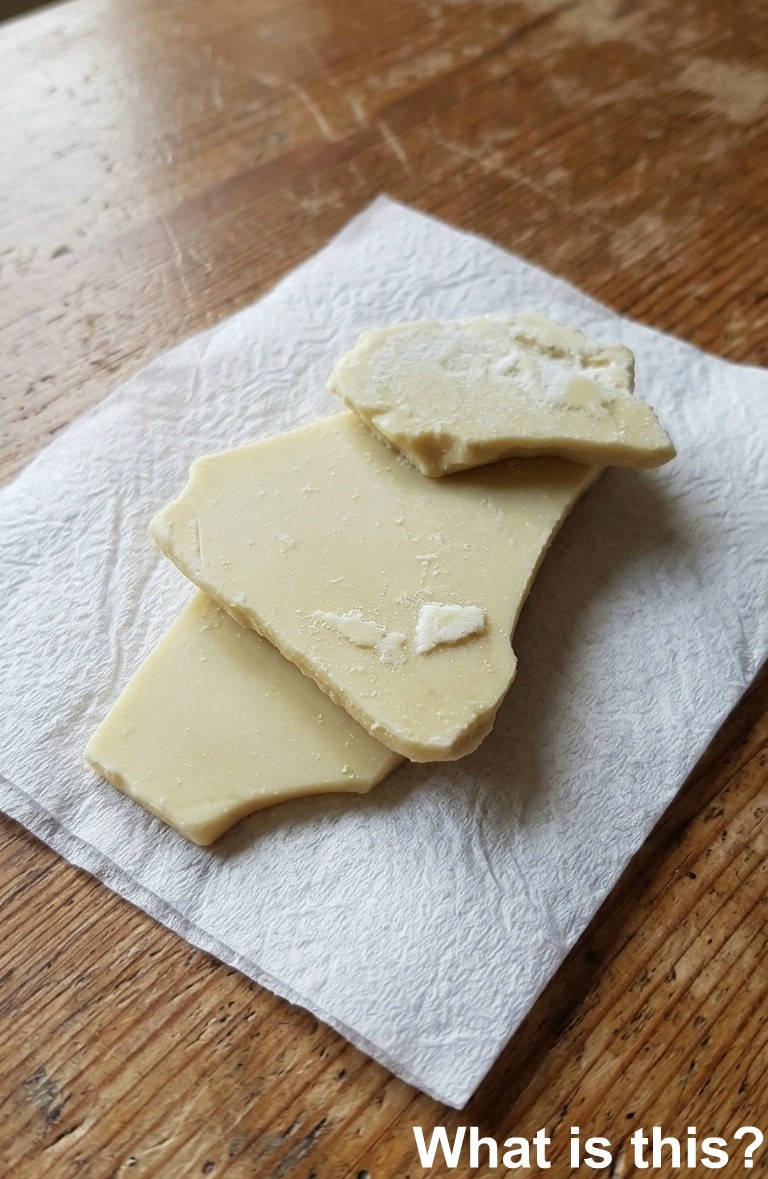
White Chocolate Bloom: Why Old Chocolate Can Look Powdery
Finding unfamiliar pale fragments on a bedroom floor or in a forgotten drawer can be unsettling, especially in a home with children. Broken pieces with a dusty or chalky-looking surface may seem suspicious at first glance. However, an ordinary explanation is often more likely: old white chocolate can develop a harmless white coating known as chocolate bloom.
White chocolate is particularly likely to look unusual after it has been stored for a long time or exposed to changing temperatures. It can become dry-looking, grainy, pale, or powdery on the outside, even when it began as a smooth, creamy confection. The change in appearance may be dramatic enough to prompt concern, but bloom is generally a quality issue rather than a safety hazard.
Understanding what chocolate bloom is, why it happens, and when food should be discarded can help families respond calmly and make informed decisions. It also offers a useful reminder that food can change appearance over time without automatically becoming dangerous.
A Moment of Concern Can Have an Ordinary Explanation
It is easy for worry to take over when a parent finds an unexpected substance in a child’s room. Pale broken pieces, dust-like residue, or a strange texture can lead the mind toward worst-case explanations. Parents and caregivers are naturally attentive to potential household hazards, particularly when children may encounter items without understanding what they are.
In this situation, closer inspection can matter. A familiar sweet aroma, the characteristic snap or softness of chocolate, and recognizable packaging nearby may quickly clarify what initially looked alarming. White chocolate that has melted slightly, dried out, or aged can lose its glossy appearance and develop a whitish film. When broken into pieces, it may resemble something very different from fresh chocolate.
The important distinction is that a pale coating on chocolate is not necessarily mold, medication, or a chemical substance. In many cases, it is simply bloom caused by changes in fat or sugar at the surface of the confection.

What Is White Chocolate?
White chocolate differs from milk chocolate and dark chocolate because it does not contain cocoa solids, the ingredients that give traditional chocolate its brown color and characteristic cocoa flavor. Instead, white chocolate is typically made with cocoa butter, sugar, milk ingredients, and flavoring such as vanilla.
In the United States, the Food and Drug Administration sets standards for products labeled as white chocolate. Under those standards, white chocolate must contain at least 20 percent cocoa butter, along with specified minimum amounts of milk ingredients and limits on sweeteners. Products that use vegetable fats in place of cocoa butter may be sold as white confectionery or candy coating rather than white chocolate, depending on their formulation and labeling.
Because cocoa butter is a central ingredient, white chocolate is sensitive to heat, humidity, and temperature fluctuations. Its high fat content is one reason it can develop a visible surface change during storage. The pale color of white chocolate can also make this change especially noticeable.
Understanding Chocolate Bloom
Chocolate bloom is a common change that affects the appearance and texture of chocolate. There are two main types: fat bloom and sugar bloom. Both can create a dull, pale, streaky, or powdery appearance, but they develop for different reasons.
Fat Bloom
Fat bloom occurs when fats within chocolate, especially cocoa butter, migrate toward the surface and recrystallize. This can happen when chocolate is stored in warm conditions, melts slightly, and then cools again. The result may be a grayish-white film, pale streaks, or a dusty appearance.
White chocolate naturally contains cocoa butter and is therefore prone to fat bloom. A bar left in a warm room, carried in a bag on a hot day, or repeatedly moved between warm and cool spaces may develop bloom faster than chocolate stored under stable conditions.
Fat bloom usually does not mean the chocolate has spoiled. The flavor and mouthfeel may be less appealing, and the surface may no longer look smooth or glossy, but the product is often still suitable for eating if it has been stored hygienically and shows no other signs of deterioration.
Sugar Bloom
Sugar bloom is linked to moisture. When condensation forms on chocolate, water can dissolve some of the sugar at its surface. After the water evaporates, the sugar can recrystallize into a rough, grainy, or powder-like coating.
This often happens when chocolate is refrigerated without adequate protection and is then exposed to warmer air. Moisture from the air can condense on the cold surface. Humid storage conditions can create similar problems. Sugar bloom is also generally a quality issue, although chocolate that has been exposed to significant moisture or contamination should be assessed carefully before it is consumed.
Is Bloomed White Chocolate Safe to Eat?
In most cases, bloomed chocolate is safe to eat. Bloom affects appearance, texture, and sometimes flavor, but it is not the same as microbial spoilage. Food safety guidance commonly emphasizes that consumers should consider the overall condition of a product rather than relying on one visual change alone.
Before eating old chocolate, check for signs that suggest it should be discarded. These can include an unpleasant or rancid odor, visible fuzzy growth, unusual discoloration unrelated to a typical pale bloom, evidence of pests, damaged packaging, or a history of storage in unsanitary conditions. If there is uncertainty about what the item is, or if it may have come into contact with a non-food substance, the safest choice is not to consume it.
Chocolate can also absorb odors from nearby foods or household products. A bar that smells strongly of chemicals, perfume, cleaning agents, or anything other than its normal ingredients should not be eaten. People with food allergies should also review labels carefully, as white chocolate often contains milk and may be manufactured in facilities that handle nuts, soy, wheat, or other allergens.
Why White Chocolate May Look More Alarming Than Dark Chocolate
The naturally pale color of white chocolate can make bloom difficult to recognize. On dark chocolate, bloom often appears as a noticeable gray or white haze. On white chocolate, the surface may instead look chalky, dry, yellowed, uneven, or covered in a faint powder. Broken pieces may lose the familiar appearance people associate with a chocolate bar.
Age can add to the effect. Over time, white chocolate may become less fragrant and its texture may change. It can crumble more easily if it has been exposed to repeated warming and cooling. If it has been mixed with cookies, candy pieces, or fillings, the ingredients can make the fragments look even less recognizable.
These visual changes explain why a forgotten snack can briefly be mistaken for something more concerning. A calm assessment based on smell, packaging, texture, and storage history is generally more useful than judging an item by color alone.
How to Store White Chocolate Properly
Proper storage can reduce the likelihood of bloom and help preserve flavor. Most food experts recommend keeping chocolate in a cool, dry, dark location with stable temperatures. A pantry or cupboard away from direct sunlight, ovens, radiators, and humid areas is often suitable.
Chocolate is usually best kept at a moderate room temperature. Exact recommendations vary by product and climate, but avoiding rapid temperature changes is especially important. A consistently cool cupboard is often better than a location that repeatedly becomes hot during the day and cold at night.
If refrigeration is necessary because of very warm weather, place the chocolate in an airtight container or tightly sealed bag to limit moisture and odor absorption. Before opening it, allow the sealed container to return gradually to room temperature. This can help reduce condensation, which contributes to sugar bloom.
For long-term storage, keep original packaging intact when possible, and add an extra airtight layer if needed. Avoid placing chocolate next to strongly scented foods. While bloom may still occur, careful storage makes it less likely and helps maintain a smoother texture.
What Parents and Caregivers Can Do When They Find an Unknown Substance
When an unfamiliar item is found where children spend time, it is reasonable to take the situation seriously without assuming the worst. Start by keeping the item away from children and pets. Look for nearby wrappers, labels, or other clues that may identify it. Consider its smell, shape, and whether it resembles a known food item.
If the substance cannot be identified, do not taste it. If someone may have swallowed an unknown substance or is feeling unwell, contact local emergency services or a poison control center for immediate, location-specific advice. In the United States, Poison Control can be reached at 1-800-222-1222. Other countries have their own poison information services and emergency numbers.
Once the item is identified as old chocolate, the incident can become a practical conversation about snacks, food storage, and cleaning up after eating. Rather than turning an innocent mistake into a frightening event, caregivers can encourage children to keep food in designated areas and dispose of wrappers or leftovers properly.
Food Appearance Is Not Always a Reliable Measure of Risk
Food safety depends on several factors, including ingredients, storage conditions, packaging, handling, and time. Some foods may look unusual but remain safe, while other foods can appear normal despite being unsafe because of contamination that cannot be seen. This is why reliable guidance emphasizes safe handling practices rather than appearance alone.
Chocolate is a useful example. Bloom can look concerning, but it usually reflects changes in fats or sugars rather than the presence of harmful organisms. In contrast, foods with higher moisture content, such as cooked leftovers, dairy products, meat, and prepared foods, can support faster bacterial growth when held at unsafe temperatures. They require more careful time and temperature control.
Knowing the difference can reduce unnecessary food waste while supporting sensible caution. If a product’s condition is unclear, consumers should prioritize safety. But when the evidence points to harmless bloom on properly stored chocolate, there is usually no reason for alarm.
A Small Household Discovery and a Useful Lesson
Discovering pale, broken chocolate in an unexpected place can create a brief moment of anxiety, particularly when it is first mistaken for something unfamiliar. Yet the explanation may be simple: a forgotten piece of white chocolate has aged, melted slightly, and developed bloom.
The episode highlights how quickly concern can arise when people care about the safety of their families. It also shows the value of pausing, checking the facts, and looking for ordinary explanations before drawing conclusions. White chocolate bloom is common, harmless in most circumstances, and easy to prevent with stable, dry storage.
For households, the practical message is straightforward: keep snacks stored appropriately, teach children to clean up after eating, inspect old food before consuming it, and seek professional advice whenever an unknown substance or possible ingestion cannot be confidently explained.
Sources
Disclaimer: This content is intended for entertainment purposes only and is not based on real events.