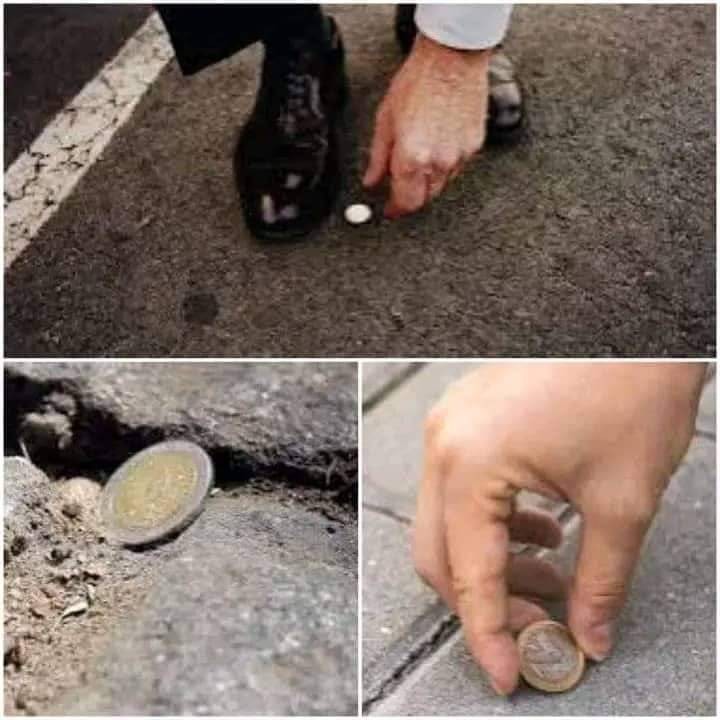
Uncovering the Spiritual, Cultural, and Psychological Significance of Finding Coins
Every day, countless people encounter coins gleaming on sidewalks or tucked between cobblestones. While some walk past these small treasures without a second thought, across diverse cultures and centuries-old traditions, discovering a loose coin is imbued with symbolism and meaning. This seemingly mundane act can carry messages about prosperity, spiritual connection, and personal growth. In this comprehensive analysis, we delve into the wide-ranging interpretations of finding coins, tracing their roots in history, cultural beliefs, spiritual frameworks, and even psychological science.
The Cultural Significance of Finding Coins
Coins have held a special place in societies globally for millennia. As some of the earliest standardized representations of wealth, coins became not only a means for trade but also an object deeply intertwined with beliefs, superstitions, and rituals. In many countries, finding money—no matter how small—on the street continues to be celebrated as a sign of impending good luck or positive change.
Traditions vary, but the core message is often one of abundance and fortune. For instance, in Western cultures, the adage “Find a penny, pick it up, and all day long you’ll have good luck” is passed down through generations. This rhyme isn’t just a playful saying; it reflects a collective hope that unexpected discoveries, no matter how minor, are a sign that favorable events are ahead.
Spiritual and Symbolic Interpretations
From a spiritual perspective, many believe that the universe communicates with us through signs. The accidental discovery of a coin can be interpreted as a message from beyond—a phenomenon reported across religious and metaphysical traditions.
For some, particularly in spiritualist communities, coins found on the ground are believed to be gestures from deceased loved ones. These coins are thought to serve as gentle reminders that we are watched over and supported from the spiritual realm. The attention-drawing glint of metal might be seen as more than coincidence—a deliberate act meant to comfort or reassure.
The symbolism sometimes extends further depending on the side of the coin that faces up. Folk wisdom suggests that a “heads” side up is a harbinger of good luck, signifying alignment with positive energies and fulfillment of wishes. Alternatively, the “tails” side might be perceived as a subtle nudge to remain cautious or to learn from upcoming lessons, not necessarily as ill-omened but as guidance to stay aware.
Philosophical and Eastern Perspectives: Coins in Feng Shui
Beyond Western superstitions, the significance of coins is prominent in philosophies such as feng shui. This ancient Chinese practice emphasizes balance and the flow of life energy, or “chi,” within an environment to attract prosperity and harmony. Metal objects—especially coins—are believed to concentrate and circulate wealth energy. According to feng shui, when an individual unexpectedly finds a coin, it may signal that their energy is in tune with abundance or that their mindset is attracting financial blessings.
Practitioners of feng shui often counsel that the intention with which one accepts the coin matters. Grateful acknowledgment, rather than greed, is thought to enhance positive vibrations and signal openness to further blessings. This aligns with broader spiritual teachings that gratitude is a catalyst for abundance, setting the stage for continued prosperity.
Modern Psychology: Perception, Coincidence, and Mindset
Not all interpretations of finding coins are spiritual or mystical. In contemporary psychology, the human tendency to assign meaning to random events is recognized as part of pattern recognition—an evolutionary trait that helps us make sense of the world. The act of noticing a coin may create a brief moment of joy or gratitude, reinforcing a positive outlook throughout the day. For some, this can act as a form of self-affirmation or a reminder of the value of mindfulness, wherein small positive observations contribute to overall well-being.
Research into positive psychology suggests that such “little wins” can have outsized impacts on mood and mental resilience. Dr. Martin Seligman, a pioneer in this field, emphasizes the importance of gratitude and the accumulation of minor positive events in enhancing life satisfaction. The next time one bends to pick up a coin, it may in fact serve as a psychological tool for reinforcing optimism and mindfulness, regardless of any supernatural meaning.
Historical Context: Coins as Omens and Talismans
The tradition of viewing coins as omens dates back thousands of years. In Ancient Rome and Greece, coins were involved in religious sacrifices, endowed with protective power, or placed under foundations as good luck charms for buildings. During medieval times, soldiers heading to battle often carried coins as talismans for protection or luck—the metallic tokens believed to carry the favor of gods or saints.
In many cultures, coins remain an integral part of rituals. For example, placing coins in the mouth of the deceased was a common funerary practice in several societies, symbolizing safe passage to the afterlife. Meanwhile, throwing coins into fountains or wells is a tradition with roots in both pagan and Christian practices, representing wishes, gratitude, and hope for the future.
International Customs and Superstitions
Cultural interpretations differ across the globe, illustrating the universal yet multifaceted role of coins in daily life and belief systems.
- Japan: The five-yen coin (go-en), due to its pronunciation being similar to the word for “destiny” or “fate,” is often offered at shrines for good fortune.
- Ireland: Finding coins at the turning of the year is thought to bring luck for the months ahead, a belief deeply embedded in local folklore.
- India: The tradition of placing coins at crossroads or temples signifies both auspicious beginnings and respect for spiritual forces.
- United Kingdom and United States: “Lucky pennies” picked up from the street are considered powerful tokens, especially if carried until a perfect moment arrives to “spend” their good fortune.
Despite cultural differences, the common thread is the perceived connection between coins and destiny, whether as tokens of luck, gratitude, or spiritual acknowledgment.
Expert Views: Sociology, Anthropology, and the Persistence of Tradition
Sociologists and anthropologists see the ongoing fascination with finding coins as more than mere superstition. Dr. Jane Smith, a cultural anthropologist at the University of London, notes that “rituals surrounding money—especially unexpected discoveries—help reinforce societal values around prosperity, gratitude, and hope. They serve to remind individuals that luck and opportunity can appear at any moment, encouraging a receptive attitude.”
Meanwhile, psychologists point to the practical benefits of stopping to notice small blessings. “Modern life is fast-paced and often stressful,” says Dr. Maria Lopez, a clinical psychologist. “When people take a moment to appreciate finding a coin, it cultivates gratitude, which research consistently links with better emotional health and generous behavior towards others.”
How Attitude Shapes Outcomes: Gratitude, Opportunity, and Positivity
Across both spiritual and scientific perspectives, the attitude of the person discovering the coin remains pivotal. Expressing gratitude for unexpected good fortune, no matter how small, aligns future actions with a positive and open mindset. Many spiritual traditions and modern well-being experts recommend harnessing moments like these to set intentions, make wishes, or simply acknowledge the kindness of the universe or fate.
Turning a simple act—such as picking up a coin—into a ritual for reflection or gratitude is a habit celebrated in cultures around the world. For some, it is a chance to reaffirm faith or feel a connection with those passed on; for others, it is an opportunity to foster a habit of mindfulness and positivity.
Practical Advice: Responding to Lucky Finds
What should you do the next time you find a coin glinting on the pavement? Many traditions suggest a few simple approaches:
- Pause and reflect for a moment; use it as an opportunity to make a silent wish or set a positive intention.
- Express gratitude, either silently or aloud, as a way of welcoming further blessings and fostering a sense of thankfulness.
- Consider sharing your luck—for example, by “paying it forward” and donating a coin to someone in need, a fountain, or a charitable cause.
- Remember that fortune is multifaceted; the ultimate value of such discoveries often lies in how we choose to perceive and act upon them.
Whether as a superstition, spiritual gesture, or a tool for gratitude, finding a coin can be more than an arbitrary event; it can serve as a touchstone for hope, connection, and positivity in daily life.
Conclusion: A Small Coin, a World of Meaning
Although a coin found on the street may seem insignificant amid the hustle of daily routines, it holds the remarkable power to spark reflection, gratitude, and hope. Throughout history and across cultures, coins have served as material and symbolic representations of fortune, guidance, and the human inclination to find meaning in chance events. Accepting the blessing—real or symbolic—that comes with a found coin means embracing both time-honored tradition and the potential for new opportunities. So, the next time you encounter a glittering coin, take a moment to pause, express thanks, and imagine the possibilities it symbolizes—however you may personally interpret its meaning.

Sources
Disclaimer: This content is intended for entertainment purposes only and is not based on real events.