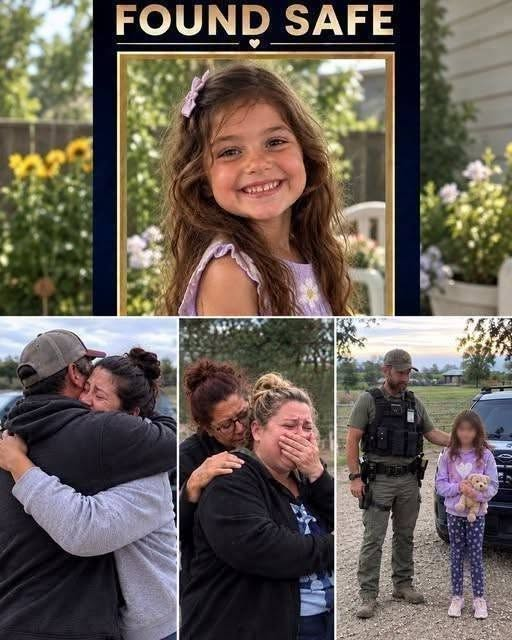
Police Find Girl Missing Since 2021: She Was Never Forgotten
The Disappearance That Shook a Family and Community
In 2021, the sudden disappearance of a young girl left her family facing an unimaginable ordeal. As days became weeks, and weeks turned into years, hope was tested, but never fully abandoned. The family’s persistent belief in her safe return galvanized a community, drawing widespread attention and sparking a tireless campaign to find answers. The case became emblematic of the pain experienced by families of missing children—pain marked by uncertainty, relentless searching, and a longing for reunion.
The Investigation: Chronicling a Tireless Search
From the moment her disappearance was reported, local and national authorities initiated an extensive search. Specialists in missing persons cases, forensic teams, and canine units joined volunteers in canvassing neighborhoods, forests, and waterways. Digital campaigns circulated her image, and hotlines fielded tips from across the country. Police regularly updated the public, but as leads dried up, the investigation tested the limits of resources while the family’s resolve persisted through vigils and appeals for information.
Over the years, the case was periodically reviewed, with investigators employing evolving forensic techniques and data analytics. Law enforcement agencies often work in such cases to keep missing children profiles active in databases like the National Center for Missing & Exploited Children (NCMEC) in the U.S., which help distribute critical information internationally and maintain public vigilance.
The Miraculous Discovery: Breaking the Long Silence
After years of heartbreak, the family’s ordeal took an unexpected and joyous turn. Law enforcement announced the missing girl had been located alive, confirming that she had been recovered and was in safe custody. Details at first were scarce, as authorities remained cautious about releasing personal information both to protect the girl’s privacy and to maintain the integrity of ongoing investigations.
The initial statement from police described her living conditions as “difficult,” underscoring the complexity and sensitivity of the case. Legal experts emphasize that law enforcement in such scenarios must balance public interest with the need to ensure the health, recovery, and security of the victim, especially in the immediate aftermath of their recovery.
The Emotional Aftermath: Relief Tempered by Lingering Questions
The moment of reunion brought overwhelming relief to the family, yet it also opened the door to profound questions and emotional challenges. Analysts of similar cases note that joy is often accompanied by renewed trauma, as families must come to terms with lost years and the psychological impact on the returned child. Reunions are private affairs, closely monitored by social workers and counsellors who help guide the process according to established best practices. Specialists from organizations such as the International Centre for Missing & Exploited Children (ICMEC) highlight the importance of trauma-informed care to support family healing and to help the survivor adjust after such a prolonged absence.
Understanding the “Difficult” Conditions
Official reports referenced “difficult” conditions without elaboration, a common approach in ongoing investigations. In cases of long-term abductions or disappearances, survivors may face varying degrees of deprivation, trauma, or manipulation. Child safety experts and clinical psychologists stress the necessity of comprehensive medical and psychological evaluations to assess immediate needs and to inform long-term recovery strategies. Such investigations are methodical, aiming to ensure an accurate understanding of the individual’s experience and to determine what support systems are most appropriate moving forward.
These assessments are typically confidential, both to protect privacy and as part of investigative best practices. Details, should they be released, are generally vetted in close cooperation with family, care professionals, and sometimes judicial authorities.
Piecing Together the Missing Years
Investigators now face the complex task of retracing the years the girl was missing. This involves collecting evidence, interviewing anyone involved, and reconstructing her experiences since 2021. Forensic experts may analyze digital footprints, physical evidence from recovery sites, and testimony from the recovered individual. Experts stress that memory can be fragile after traumatic separations, and painstaking methods are used to ensure information’s accuracy and to avoid retraumatization.
Authorities often draw on multidisciplinary teams—including law enforcement, child welfare professionals, and psychologists—to uncover the facts. Their findings will determine whether additional actions, such as criminal charges or new safety assessments, are warranted. Furthermore, the ability of the survivor to communicate details may vary, and patience is fundamental in supporting her autonomy and well-being throughout the process.
The Role of the Family and Support Networks
For families, the period after a missing child is found is uniquely challenging. Along with relief and gratitude, they may face questions about rebuilding relationships and integrating the experience into their lives. International organizations such as the Child Mind Institute and National Center for Missing & Exploited Children emphasize the importance of trauma-informed family therapy, ongoing counseling, and educational support. The ultimate goal is to promote recovery and resilience, not only for the survivor but also for siblings, parents, and extended relatives affected by the ordeal.
Community support can be a key factor in healing. Many communities hold welcoming events, donate to family support funds, and offer assistance in ways that honor the family’s wishes for privacy and respect. This collective healing is vital, as such cases leave psychological imprints beyond the immediate household.
Public and International Response
Cases of long-term missing children prompt responses from all sectors of society. Media outlets, community organizations, and international advocacy groups often redouble efforts to raise awareness for all missing children, highlighting the importance of vigilance, reporting suspicious occurrences, and using tools like Amber Alerts or equivalents worldwide. Public campaigns sometimes result in increased funding for missing persons investigations and for organizations dedicated to prevention and recovery.
Globally, the return of a missing child is met with hope and encouragement. It also serves as a reminder of the thousands of ongoing cases worldwide and the need for international cooperation in cross-border abductions and recoveries. Legal frameworks such as the Hague Convention on the Civil Aspects of International Child Abduction guide countries in responding to such crises cooperatively and ethically.
Expert Views on Prevention and Lessons Learned
Experts advocating for child welfare emphasize education as a crucial preventive tool. Schools, caregivers, and communities are encouraged to teach children strategies for safety, recognize warning signs of exploitation, and understand the importance of immediate reporting. Additionally, professionals argue that improvements in technology—from coordinated databases to advanced forensic analysis—mean that cases once thought unsolvable can see breakthroughs even years after an initial disappearance.
Policymakers and advocates frequently call for robust funding for dedicated missing persons units, support hotlines, and wider dissemination of public safety alerts. Continued investments in these areas, along with public education, play a key role in reducing the rate and duration of child disappearances.
Looking Forward: Hope and Cautious Optimism
As investigators piece together the story of the missing years and the family enters a new chapter of healing, the case stands as a powerful testament to hope and perseverance. While the emotional landscape is complex, the girl’s safe return provides inspiration to other families experiencing similar pain and highlights the enduring value of community support, professional expertise, and public awareness.
Going forward, stakeholders from law enforcement to advocacy groups continue to work to understand the causes of child disappearances and to refine the tools and strategies necessary for prevention and recovery. Each case, with its own unique circumstances, enhances collective understanding and strengthens broader efforts to ensure that missing children are never forgotten.
Sources
- Reuters
- BBC
- The Guardian
- International Centre for Missing & Exploited Children
- National Center for Missing & Exploited Children
- Child Mind Institute
Disclaimer: This content is intended for entertainment purposes only and is not based on real events.