
Winter Foods to Support Immunity and Ease Cold & Flu Symptoms
The Impact of Winter on Respiratory Health
Each winter, incidences of colds and flu rise, primarily due to respiratory viruses spreading more rapidly as people spend increased time indoors. Shared indoor air and closer interactions allow viruses such as influenza and rhinovirus to transmit more efficiently. While no food can directly cure these infections, scientific evidence supports that a balanced diet, adequate rest, and proper hydration are essential for fortifying the immune system and easing certain symptoms.
Understanding the Immune System and Nutrition
The immune system is a complex network of cells, tissues, and organs working together to defend the body against pathogens, including viruses and bacteria. Nutrition serves as a vital pillar in immune health. According to experts at the Mayo Clinic and CDC, consuming diverse nutrients from fresh fruits, vegetables, proteins, and whole grains reinforces immune function and helps the body fend off infections.
Ginger: Traditional Remedy for Sore Throat and Congestion

Ginger has been utilized for centuries in global cultures as a natural treatment for various ailments, especially those involving the respiratory tract. The root contains gingerols and shogaols, bioactive compounds credited with anti-inflammatory and antioxidant properties. Scientific studies suggest fresh ginger may help soothe throat irritation and reduce discomfort from mild congestion. Ginger tea provides warmth and hydration, both important for recovery during colds. Adding fresh ginger to soups or preparing it with warm water, lemon, and honey can be a comforting beverage, aiding fluid intake when appetite is diminished.
Garlic: Nutrition and Antimicrobial Benefits
Garlic contains allicin, a sulfur compound with demonstrated antimicrobial activity in laboratory studies. Although research on garlic’s role in preventing or reducing the duration of colds within humans has shown mixed results, garlic continues to be a nutritious addition to meals. Its subtle flavor enhances dishes while contributing vitamins and minerals. Chefs and nutritionists recommend adding fresh or cooked garlic to soups, roasted vegetables, and broths for both taste and potential health benefits. Regular consumption, as part of a diverse dietary pattern, is encouraged in many dietary guidelines worldwide.
Citrus Fruits: Vitamin C and Immune Support
Citrus fruits—including oranges, lemons, grapefruits, and tangerines—are rich natural sources of vitamin C. Vitamin C is known to support normal immune function and protect cells from oxidative stress. According to the National Institutes of Health (NIH) and several randomized clinical trials, consistent intake of vitamin C may slightly shorten the duration of common colds. However, taking extra vitamin C after symptoms appear is generally not beneficial. Nutritionists recommend consuming fresh citrus fruits as part of daily meals, which also supply dietary fiber, hydration, and refreshing flavors.
Chicken Soup: Comforting Meal for Illness Recovery
Chicken soup is a longstanding staple recommended for those suffering from colds or flu. Its warm broth delivers fluids and electrolytes to maintain hydration, while the chicken provides protein essential for tissue repair and immune response. Vegetables added to the soup contribute vitamins, minerals, and antioxidants, further supporting overall health. Research published in medical journals and highlighted by the Mayo Clinic suggests the steaming broth may help ease nasal congestion and soothe sore throats, offering comfort even when eating solid foods is difficult.
Honey: Soothing for Throat and Cough Relief
Honey has been recognized for its soothing effects on sore throats and its ability to help suppress coughing, particularly at night. The World Health Organization (WHO) and CDC advise stirring a teaspoon of honey into warm tea or lemon water as a gentle remedy for mild respiratory symptoms. Importantly, honey should never be given to children under one year of age due to the risk of infant botulism, a rare but serious illness caused by spores present in some honey products.
Yogurt: Probiotics and Digestive Health

Yogurt with live cultures is a valuable source of protein, calcium, and probiotics—beneficial bacteria that maintain digestive health. Some studies indicate specific probiotic strains may offer modest protection against certain respiratory infections, although the effects are variable and not universally confirmed. Registered dietitians recommend choosing plain, unsweetened yogurt to avoid excess sugar and pairing it with fresh fruit for additional vitamins and flavor. Incorporating yogurt into meals and snacks can support gut health, which is linked to overall immune function.
Hydration and Healthy Lifestyle Habits
Hydration is crucial when battling cold and flu symptoms, as fevers, coughing, and congestion can increase fluid loss. Drinking water, herbal teas, and broths replenishes fluids and aids the body’s natural defensive mechanisms. Adequate sleep enhances immune cell activity and reduces vulnerability to infection. In addition to nutrition, regular hand washing and good indoor ventilation are recommended by health authorities to minimize viral spread. These preventive measures are foundational in winter wellness strategies.
The Role of Vaccination and Medical Care
Staying up to date with recommended flu vaccinations is a proven way to reduce the risk of severe illness and complications from influenza. The CDC, WHO, and healthcare professionals globally recommend an annual flu vaccine, particularly for children, older adults, and those with underlying health conditions. While nutrition and lifestyle habits are important, seeking medical advice is essential if symptoms are severe, breathing becomes difficult, or fever persists beyond a few days. Timely consultation with healthcare providers ensures appropriate diagnosis and care.
Expert Perspectives on Nutrition and Immunity
Experts in nutrition and medicine emphasize the limitations and strengths of dietary interventions. Dr. Michael Greger, author and public health advocate, notes, “While no single food can ward off infection, a diet rich in fruits, vegetables, lean proteins, and whole grains creates an environment for optimal immune function.” The British Nutrition Foundation and American Dietetic Association also underline the importance of combining diet with lifestyle choices, such as regular exercise, mental health care, and hygiene.
International reactions to winter health strategies show global diversity in dietary customs. In Asian countries, hot ginger and herbal teas are favored, while Mediterranean cultures prioritize garlic-rich dishes and citrus fruits. Despite these differences, most traditions recognize the value of warm liquids and nutrient-dense foods for symptomatic relief.
Myths and Evidence Regarding “Cure” Foods
Despite widespread beliefs, scientific analysis confirms that no single food or supplement guarantees protection against winter illnesses. While certain nutrients and dietary patterns can enhance overall immunity, they act in synergy with other factors, including genetics, vaccination, and environmental hygiene. Misleading claims about “miracle” foods are discouraged by health agencies, which stress evidence-based interventions. Sourcing information from reputable outlets—such as the CDC, Mayo Clinic, and WHO—is recommended for making informed decisions about health.
Practical Tips for Staying Well During Winter
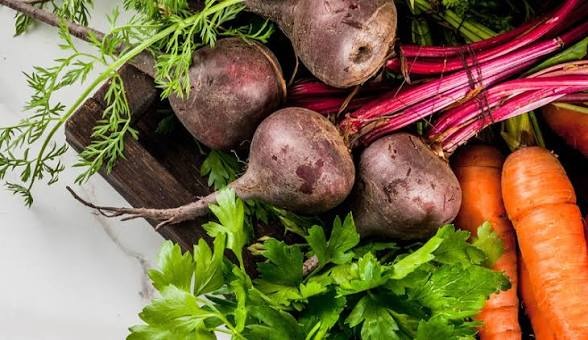
- Maintain a varied diet with fruits, vegetables, lean proteins, and whole grains.
- Include ginger, garlic, citrus, and yogurt in meals for their potential supportive effects.
- Stay hydrated with water, teas, and broths; avoid excess sugary or caffeinated drinks.
- Get sufficient sleep and keep stress levels in check.
- Wash hands frequently and ventilate indoor spaces.
- Stay current with flu vaccination recommendations.
- Seek medical attention for severe or persistent symptoms.
Conclusion
In summary, while the incidence of colds and flu increases in winter due to indoor environments, a balanced diet including ginger, garlic, citrus fruits, chicken soup, honey, and yogurt can support immune function and relieve certain symptoms. Hydration, rest, hygiene, and vaccination remain essential components of winter wellness. No single food or supplement can guarantee protection, but healthy daily habits and appropriate medical care provide the best foundation for staying well and recovering comfortably throughout the colder months.
Sources
- Centers for Disease Control and Prevention (CDC)
- Mayo Clinic
- World Health Organization (WHO)
- BBC
- Reuters
- NHS
- British Nutrition Foundation
- National Institutes of Health (NIH)
Disclaimer: This content is intended for entertainment purposes only and is not based on real events.