The Waiting Room Laughter: Friendship, Memory, and Aging
Introduction: Memory and Aging in Everyday Life
Inside the sterile calm of a clinic waiting room, three elderly gentlemen share an experience as familiar as it is poignant. As Dr. Halpern prepares to assess their cognitive health, the atmosphere is not merely clinical but tinged with peppermint tea, gentle banter, and companionship. This scene, though simple, reflects profound truths about the science of aging, the importance of social bonds, and the unique role of humor as we grow older.
Aging is often associated with challenges, particularly regarding memory and cognitive function. But as demonstrated by these friends, memory is just one part of a much richer tapestry of psychological and social health. Friendship, laughter, and a sense of humor are also vital components contributing to well-being, especially in later life.
Memory Assessment: What It Means and Why It Matters
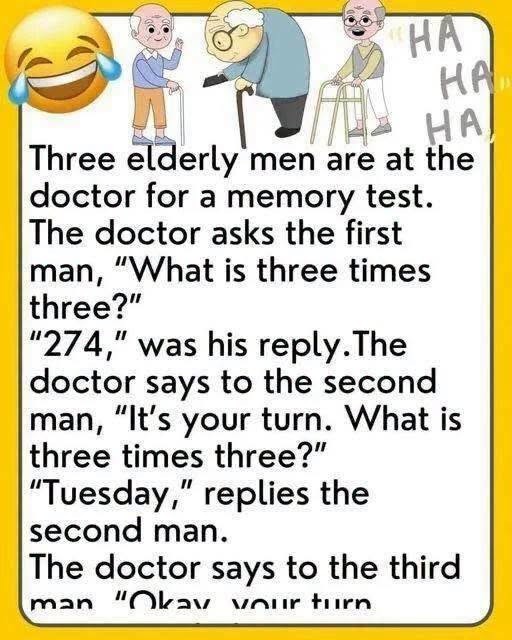
Dr. Halpern’s approach is representative of neurological cognitive screening, a cornerstone of geriatric healthcare. Memory tests often include basic arithmetic, recall of words or events, and the ability to respond appropriately to questions. In the story, Mr. Arthur, Mr. Bernard, and Mr. Clarence respond to a simple multiplication question in distinctly different ways: Arthur offers a mathematically incorrect answer with sincere conviction, Bernard humorously chooses “Tuesday,” and Clarence cleverly gives the correct answer and turns the situation into a joke.
According to the Centers for Disease Control and Prevention (CDC), age-related memory loss is common, but not all memory lapses indicate dementia or other cognitive disorders. Mild cognitive impairment (MCI) affects roughly 15-20% of those aged 65 and older, and regular testing helps detect early warning signs, allowing timely intervention. However, experts emphasize that cognitive testing should be holistic, taking emotional, social, and psychological factors into account, not just rote recall.
The Science Behind Memory Changes
The brain’s ability to process, store, and retrieve information changes with age. The Mayo Clinic notes that older adults may find it harder to multitask, recall names, or remember appointments. These memory changes are largely the result of normal biological processes: neuronal loss, reduced neurotransmitter levels, and decreased blood flow to certain brain regions.
Despite these changes, research suggests that most older adults retain essential cognitive abilities and find ways to adapt. Social engagement, physical activity, and intellectual stimulation—such as puzzles, reading, or learning—help preserve memory and support brain health. As such, the presence of Dr. Halpern’s humorous and respectful testing highlights modern geriatric care’s focus on both clinical and humanistic aspects.
Emotional Wellness: The Power of Friendship and Laughter
Scientific studies from institutions like the World Health Organization (WHO) and Alzheimer’s Society show that emotional wellness directly impacts cognitive health. Friendship and regular laughter, especially among seniors, have measurable benefits. They help lower cortisol (the stress hormone), boost immune function, and enhance overall mood and resilience.
The three friends in the clinic demonstrate this vividly: instead of embarrassment or frustration, they transform the cognitive test into a moment of shared humor. Clarence’s witty answer (“I subtracted Tuesday from two hundred and seventy-four”) not only brings laughter but also strengthens their social bonds. Researchers have observed that such moments of levity help maintain mental sharpness and emotional stability, particularly amidst the challenges of aging.
Humor as a Coping Mechanism in Geriatric Health
Humor is more than entertainment—it’s recognized as a therapeutic tool by gerontologists and psychologists. The American Psychological Association notes that humor can reduce anxiety, ease interpersonal tensions, and help seniors cope with health challenges. It acts as a buffer against depression and loneliness, two risks that can increase following retirement, bereavement, or chronic illness.
In clinical settings, doctors like Dr. Halpern often use gentle humor to encourage participation and reduce fears associated with medical assessments. For Arthur and Bernard, their playful answers represent ways of expressing individuality and mitigating worries about their own cognitive abilities. Clarence’s cleverness reflects mental agility and the positive effects of lifelong friendship.
The Role of Social Engagement in Healthy Aging
Decades of research confirm that social engagement is one of the strongest predictors of healthy aging. The Reuters Health News and BBC Health report that active social lives reduce risk of cognitive decline, foster greater independence, and lower rates of depression among older adults. Group activities, community centers, and simple gatherings (illustrated by the friends sharing tea and conversation) are vital sources of support.
International perspectives reveal that societies with strong traditions of intergenerational contact and respect for elders, such as those found in Mediterranean and East Asian cultures, see lower levels of dementia and greater senior satisfaction. Programs that encourage friendships and purposeful activity are increasingly implemented worldwide, including outreach by the WHO’s Age-Friendly Cities initiative.
Medical Perspectives: Understanding Cognitive Testing Outcomes
For physicians, results of cognitive tests must be interpreted carefully. As Dr. Halpern notes, “Memory uncertain. Sense of humor excellent. Friendship still functioning perfectly.” This highlights a key insight: medical evaluations should focus not only on deficits but on strengths and resources.
The goal in geriatric medicine today is to balance diagnosis with encouragement. If an older adult struggles to recall math facts, doctors seek further information: Is it due to age, anxiety, medical conditions, or medication side effects? At the same time, the presence of robust social networks and positive mood can be protective factors, often stabilizing or improving cognitive function. Thus, clinicians are trained to observe the whole person—physical, cognitive, emotional, and social domains.
Societal Reaction: Changing Views on Aging and Memory
Society’s attitude towards aging and memory loss has evolved. Stigma is being replaced by empathy and practical support. Public health campaigns now stress the importance of understanding cognitive changes as natural rather than shameful, and encourage people of all ages to seek help early.
National and international agencies, such as the Alzheimer’s Society in the UK and WHO globally, advocate for more resources directed toward senior mental health, social inclusion, and accessible cognitive care. Technological advancements also offer new tools—such as memory-enhancing apps, telehealth, and digital companionship platforms—to help older adults stay connected and engaged.
Globally, scientific conferences and international bodies are calling for a holistic approach: integrating medical care with social, psychological, and community support. The laughter and camaraderie shown by Arthur, Bernard, and Clarence embodies these ideals—reminding us that aging is not about loss alone, but about adaptation, resilience, and joy.
Expert Views: Maintaining Wellness Beyond Memory Tests
Experts in gerontology advise seniors, families, and caregivers to adopt a multifaceted approach to well-being. Maintaining physical health through diet and exercise, engaging in mentally stimulating activities, nurturing interpersonal relationships, and allowing for humor and creativity are all essential strategies.
Dr. Halpern’s clinic illustrates the best practices in action. Regular cognitive assessment, supportive medical staff, and encouragement for social interaction help create a positive environment. As Clarence, Arthur, and Bernard leave the clinic, their laughter is a testament to the enduring power of friendship and humor. These elements are as important for healthy aging as any medication or therapy.
Conclusion: The Enduring Importance of Humor and Friendship in Later Life
While memory changes and cognitive tests are important features of aging, the story of the three friends and their doctor reveals deeper truths. Laughter, gentle teasing, and companionship not only support mental health—they enrich life in ways that science increasingly recognizes as vital for overall wellness.
The global movement toward age-friendly communities, holistic medicine, and public awareness continues to transform how society approaches aging. Experts agree: Supporting seniors with respect, empathy, and opportunities for connection is the best path forward. In the waiting room and beyond, humor and friendship promise to keep the spark of life burning brightly, whatever the challenges memory may bring.
Sources
- Centers for Disease Control and Prevention (CDC)
- Mayo Clinic
- World Health Organization (WHO)
- Alzheimer’s Society
- American Psychological Association
- BBC Health
- Reuters Health News
- WHO Age-Friendly Cities Initiative
Disclaimer: This content is intended for entertainment purposes only and is not based on real events.