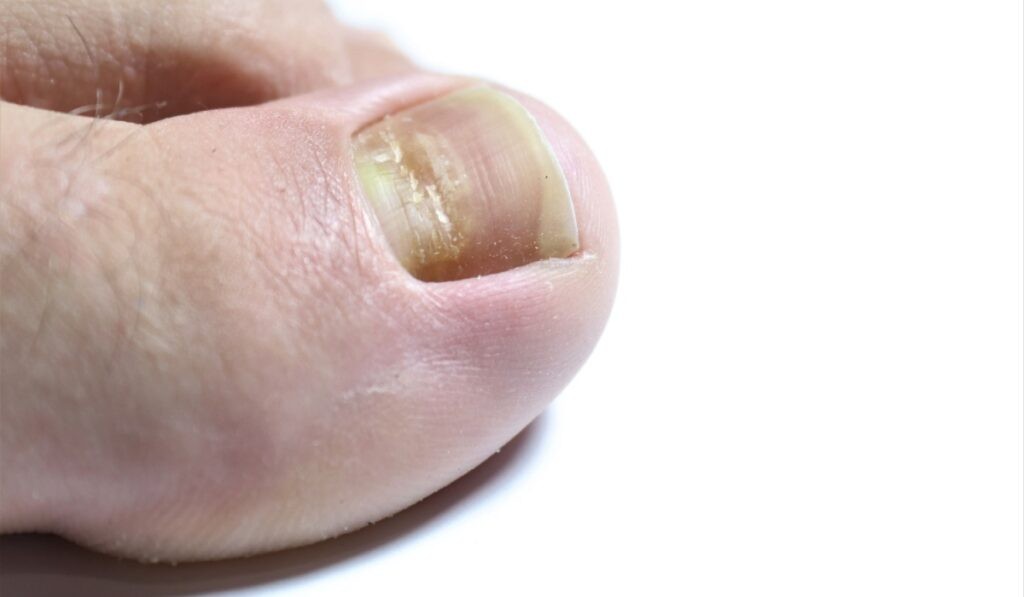
Health Issues Hidden in Your Nails: What Fingernail Changes Can Reveal About Your Body
Nails often serve as a window into your overall health, offering valuable clues about nutrient levels, blood flow, and underlying medical conditions. While many view nails primarily as a cosmetic feature to be adorned with polish or to be trimmed for hygiene, they are in fact living extensions of the skin, consisting of a complex structure reliant on constant nourishment. Subtle changes in nail shape, texture, or color can reflect deeper imbalances, sometimes even detecting health issues before other symptoms appear.
Experts explain that the growth and maintenance of nails depend on how efficiently your body absorbs nutrients from the foods you eat, alongside healthy blood circulation and oxygenation. Naturopathic doctor Sara Norris notes that disturbances in these systems—whether from poor nutrition, illness, or heart dysfunction—often manifest first as nail abnormalities. Recognizing these signs early can potentially prevent more serious complications and prompt timely medical attention.
Understanding Fingernail Growth and Its Link to Health
Fingernails are composed of layers of keratin, a protein also found in skin and hair. Their steady growth depends on the supply of oxygenated blood and essential nutrients such as iron, biotin, and zinc. The nail matrix, located beneath the cuticle, is responsible for producing new nail cells. Disturbances in the body’s metabolism, immune response, or circulation can disrupt this process, leading to visible alterations in the nails long before other symptoms become apparent.
Medical professionals suggest that regular observation of the nails can provide an early warning of illnesses ranging from minor deficiencies to more serious conditions like heart disease, thyroid disorders, or even cancer. Below is a detailed look at the most common nail abnormalities and what they might reveal about your health.
Beau’s Lines: Indicators of Physical Stress or Severe Illness
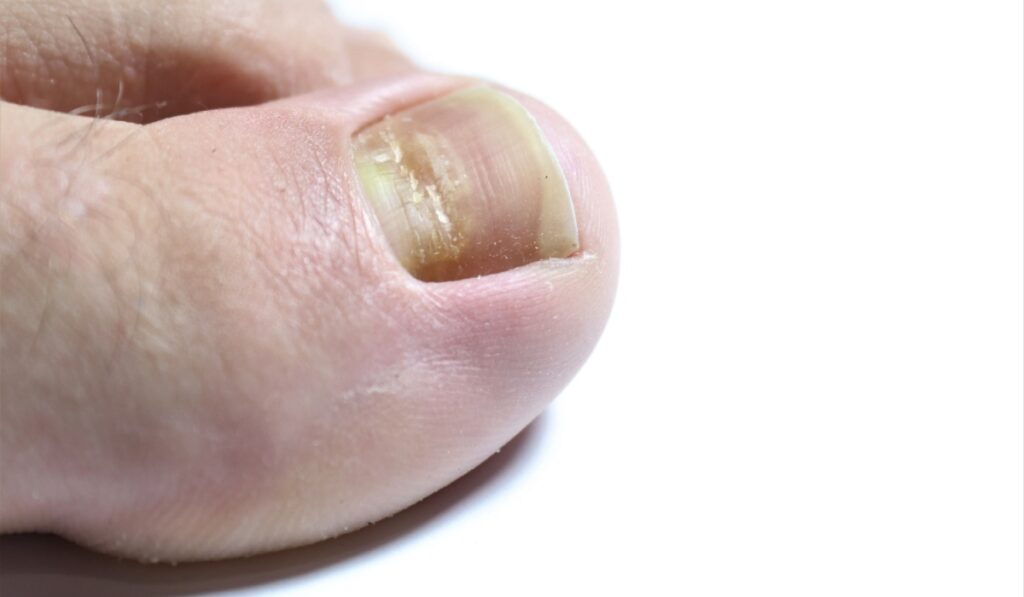
Beau’s lines appear as deep horizontal grooves or ridges across the nails, usually indicating a temporary pause in nail growth. According to Dr. Bhavini Shah from Lloyds Pharmacy Online Doctor, these lines are often a response to significant physical or emotional stress. They can develop after serious illnesses such as COVID-19, high fevers, intensive medical treatments like chemotherapy, or severe infections.
The formation of Beau’s lines is a result of the body redirecting resources to combat illness, affecting nail cell production. In extreme cases, the nail growth may stop entirely, a condition known as onychomadesis. While occasional Beau’s lines aren’t always cause for alarm, repeated or persistent occurrences should be evaluated by a healthcare professional. Monitoring your nails could offer critical clues on how your body is coping with stress or disease, and early detection can help mitigate further complications.
Clubbing: Nails Linked to Heart and Lung Health
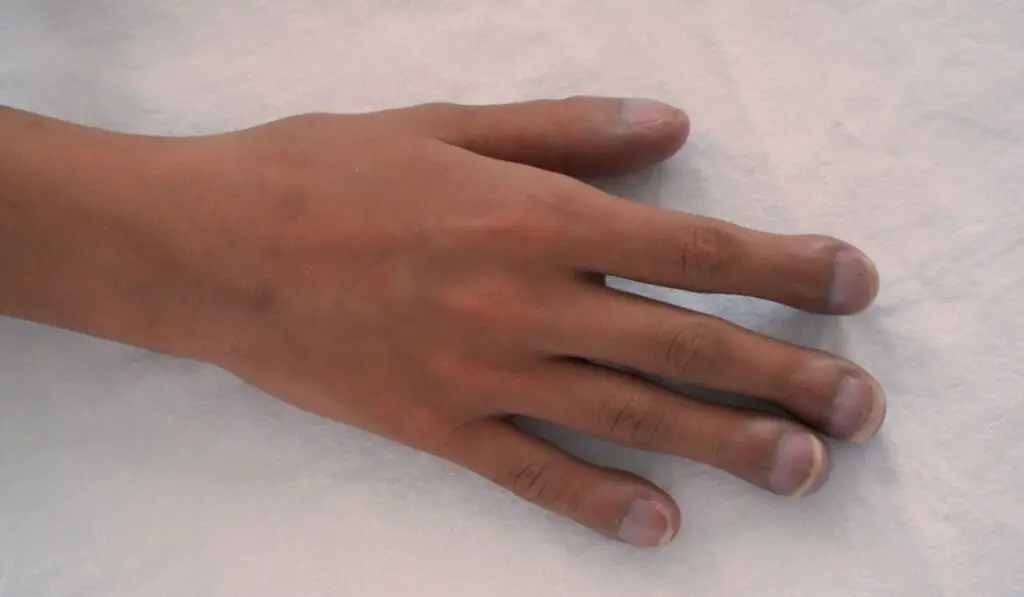
Nail clubbing is characterized by the downward curving of the nail and pronounced swelling of the fingertips. Dr. Shah emphasizes that clubbing is strongly associated with chronic heart or lung disease, but its gradual development means that it is often overlooked until noticeable deformations occur. Common associated symptoms include swollen ankles, chronic fatigue, and chest pain.
Clubbing results from reduced oxygen levels in blood, typically due to cardiac or pulmonary issues. Conditions such as congenital heart defects, chronic obstructive pulmonary disease (COPD), or lung cancer can cause clubbing. While some individuals may naturally have clubbed nails, sudden or severe changes in nail appearance warrant medical evaluation. Early intervention in the management of underlying heart or lung conditions can significantly improve outcomes.
Spoon-Shaped Nails: Signs of Iron-Deficiency Anemia
Spoon-shaped nails, medically termed koilonychia, curve inward and resemble a concave spoon. This abnormality is often linked to iron-deficiency anemia—a condition frequently seen in women post-pregnancy or in individuals with poor nutrition, malabsorption syndromes, or celiac disease. Symptoms accompanying anemia include relentless fatigue, pallor, headaches, and shortness of breath.
Dr. Shah recommends consulting a general practitioner for a blood test if spoon-shaped nails develop. Treatment typically involves iron supplementation, dietary adjustments focusing on iron-rich foods, and addressing underlying causes like gastrointestinal disorders. Awareness of this nail change allows individuals to identify and treat anemia early, reducing risks associated with chronic deficiency.
Nail Pitting: Associated with Skin Disorders
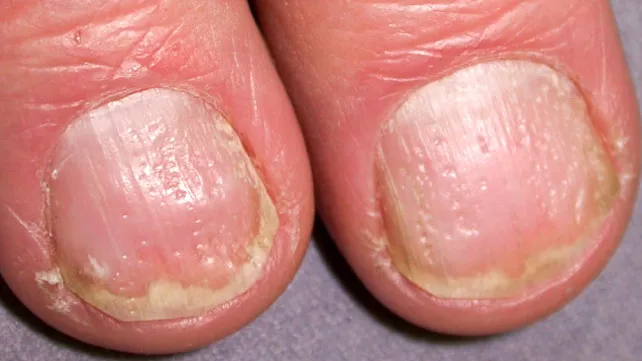
Pitting or denting appears as small depressions on the surface of the nail. This phenomenon is often a symptom of underlying inflammatory skin conditions, most notably psoriasis, eczema, or alopecia areata. Psoriasis can cause dry, scaly patches on the skin, while eczema results in redness, itching, and cracked skin. Alopecia areata, an autoimmune disorder, leads to patchy hair loss, sometimes accompanied by nail pitting.
Severe nail pitting may require dermatological treatment, including corticosteroids or vitamin D3-based therapies, though mild cases often resolve without intervention. Dr. Shah notes that these underlying conditions typically present additional skin or hair symptoms alongside nail changes. Early consultation with a dermatologist can aid in effective management and improve overall skin health.
Melanoma: Detecting Hidden Dangers Under Your Nails
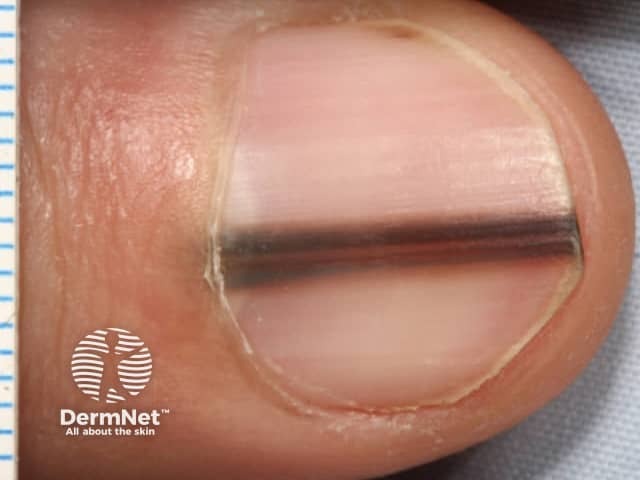
Nail changes can occasionally signal life-threatening conditions such as melanoma, the most aggressive form of skin cancer. Subungual melanoma appears as a dark, vertical streak beneath the nail. Though not every dark line on a nail is malignant, unexplained streaks warrant prompt evaluation by a dermatologist.
Subungual melanoma is rare but can progress quickly if not caught early. Risk factors include a history of sun exposure, skin cancer, and certain genetic predispositions. Early diagnosis and treatment are crucial to improving survival rates. Experts urge patients to take nail discoloration seriously, especially when changes persist or develop alongside other symptoms such as pain, swelling, or growth.
Terry’s Nails: Implications for Liver and Systemic Health
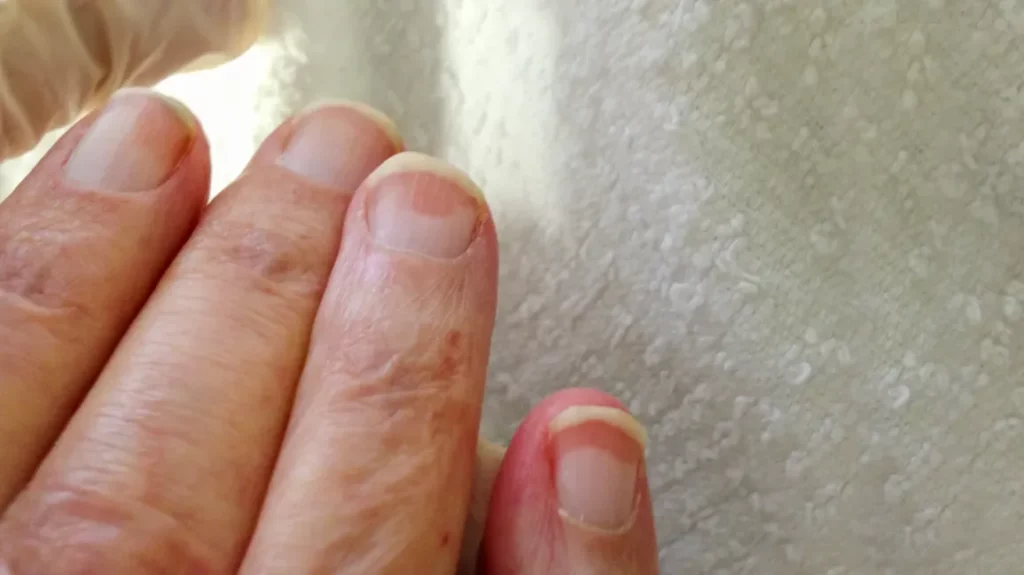
Terry’s nails are characterized by whitening of the majority of the nail bed, leaving a narrow, pink or reddish strip at the tip. This condition, named after the physician Dr. Richard Terry, may be associated with aging but is more frequently seen in individuals with liver disease, diabetes, or congestive heart failure.
Additional symptoms linked to liver-related causes include jaundice (yellowing of the skin and eyes), persistent fatigue, and appetite loss. Medical evaluation is essential when Terry’s nails appear, as early recognition and treatment can improve outcomes for these chronic conditions. The nail changes arise from alterations in blood flow and tissue health within the nail bed, reflecting systemic disease.
Yellow Nails: Indications Beyond Cosmetic Concerns
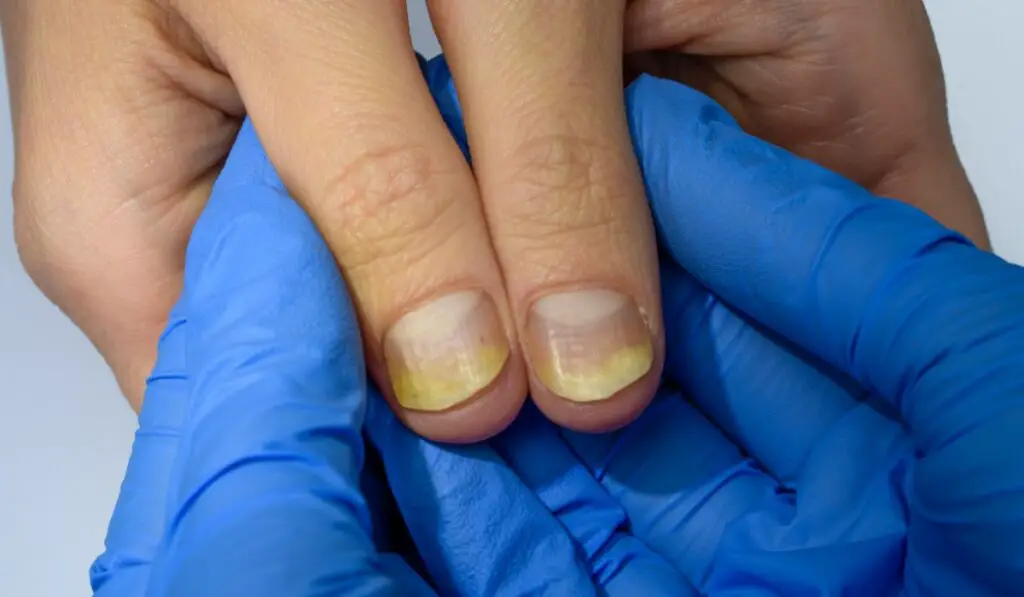
Yellow nails often result from fungal infections, characterized by thickening, crumbling, or separation from the nail bed. However, unexplained yellowing may also indicate thyroid dysfunction, diabetes, psoriasis, or lung disease. Fungal infections can be managed with antifungal medications, but persistent color changes require further investigation.
Dr. Shah warns that neglecting chronic yellow nails may mean missing underlying health problems. If yellowing is not due to an obvious cause (such as nail polish or trauma), consulting a healthcare provider is recommended to rule out systemic illness. Addressing the root cause early helps restore natural nail appearance and supports overall health.
Practical Steps to Monitor and Maintain Nail Health
The condition of your nails acts as a micro-monitoring system for your body’s internal health. Often, nail abnormalities are the first visible sign of deficiencies, oxygen imbalances, elevated stress, or systemic illness. Most minor spots or changes are harmless, but persistent unexplained abnormalities should prompt a doctor’s visit. Regular inspection—taking just a few minutes during your routine—can help you stay informed about your health.
Incorporating healthy habits such as balanced nutrition, adequate hydration, and proper hand hygiene plays a critical role in nail health. Experts recommend including foods rich in proteins, vitamins, and minerals in your diet, protecting nails from injury, and keeping them clean and moisturized.
When to Seek Medical Advice
While minor nail changes may be attributed to everyday activities or aging, persistent, unexplained, or severe abnormalities deserve professional evaluation. If nail changes coincide with other symptoms—such as fatigue, skin discoloration, pain, or hair loss—it is best to consult a healthcare provider promptly.
Recognizing health issues hidden in your nails not only helps identify potential diseases early but also improves overall wellbeing. By staying attentive to changes and acting proactively, you empower yourself with another tool for proactive health management.
Conclusion
Nails are more than a cosmetic feature—they are important indicators of the body’s nutritional status and general health. Changes in nail color, shape, or texture can be among the earliest signs of underlying medical conditions, from nutrient deficiencies to serious diseases such as heart ailments, liver disorders, or cancer. Proper attention to nail health, regular observation, and medical evaluation when warranted ensure that you remain vigilant and can address health concerns promptly.
Sources
Disclaimer: This content is intended for entertainment purposes only and is not based on real events.