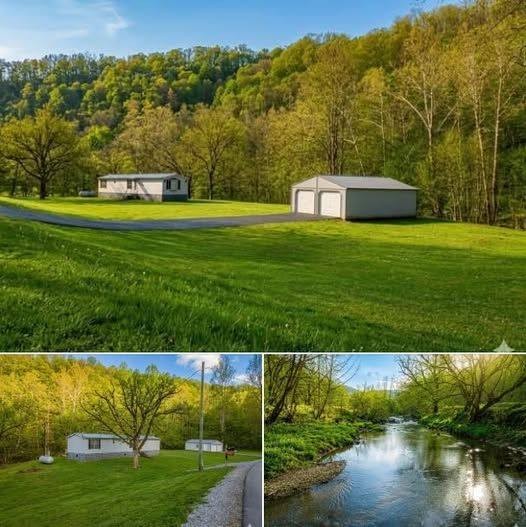
Imagine waking up to the gentle sounds of nature, stepping outside into the fresh morning air, and looking across acres of open countryside stretching toward the horizon. Instead of traffic and crowded streets, your surroundings are filled with mature trees, open skies, and the quiet beauty of the natural landscape.
For many people, this is the dream of country living. A spacious rural property offers something increasingly valuable in a busy world: room to breathe, opportunities to explore, and the freedom to create a lifestyle that reflects personal interests and long-term goals.
This remarkable 57-acre country retreat combines expansive land with a mobile home, offering an appealing starting point for anyone considering a move toward a quieter way of life. Whether the vision involves a private weekend getaway, a small agricultural project, an outdoor recreation destination, or a full-time rural residence, the property presents a range of possibilities worth exploring.
Beyond its immediate appeal, the combination of existing accommodation and substantial acreage invites prospective owners to imagine what the land could become over time.
H1: Exploring the Features of This 57-Acre Country Property
Large rural properties offer a different experience from conventional residential homes. Instead of focusing exclusively on the building itself, buyers must also consider the surrounding landscape, access, utilities, land conditions, and opportunities for future use.
With 57 acres to explore, this countryside retreat offers a substantial area that may support several different lifestyle plans, subject to local regulations and the property’s physical characteristics.
H2: A Mobile Home Offering Practical Rural Accommodation
At the heart of the property is a mobile home that provides an existing living space for its next owner.
Mobile homes can be appealing in rural settings because they offer a practical alternative to traditional site-built houses. Depending on their age, condition, construction, and maintenance history, they may serve as permanent residences, seasonal accommodation, or a base for spending time outdoors.
For someone interested in country living, an existing dwelling may offer a convenient starting point compared with beginning a completely new construction project.
The interior layout, natural lighting, available living space, and overall condition will influence how comfortable the home feels. Prospective buyers should also assess the roof, flooring, plumbing, electrical systems, insulation, heating, and cooling equipment before making a decision.
It is equally important to confirm that the mobile home is legally permitted for its intended use and that its installation meets applicable local requirements.
When these practical details are properly evaluated, an existing mobile home can become a useful foundation for enjoying a larger rural property.
H2: Expansive Acreage With Room to Explore
The most distinctive feature of this property is its 57 acres of land.
To put that size into perspective, 57 acres is approximately 24.3 hectares, providing a substantial amount of space for outdoor activities and land management.
Depending on the terrain, soil quality, vegetation, access, and applicable regulations, the acreage could potentially accommodate walking trails, gardening areas, recreational spaces, or small-scale agricultural activities.
Some owners may prefer to preserve most of the land in its natural condition, while others may wish to maintain selected areas for practical use.
The key advantage of a property of this size is flexibility. Rather than being limited to a small residential yard, owners have the opportunity to evaluate different ways of using the landscape according to their interests and resources.
However, not every acre will necessarily be suitable for building or farming. Wetlands, steep slopes, wooded areas, easements, and protected habitats can influence how land may be used.
A professional property assessment can help determine which areas are most suitable for particular activities.
H1: The Appeal of a Private Countryside Lifestyle
For many buyers, the attraction of rural property goes beyond its size. It is also about the experience of living in a place where daily routines can feel less hurried.
H2: Enjoying Peace, Space, and Natural Surroundings
A spacious countryside property may provide greater separation from neighboring homes and busy commercial areas.
Depending on the property’s location and surrounding development, residents may enjoy quiet mornings, open views, and opportunities to spend more time outdoors.
Simple activities can become part of everyday life. A morning walk, tending a garden, observing local birds, or relaxing outside in the evening can provide a welcome change from a demanding urban routine.
Nevertheless, privacy depends on more than acreage alone. Road access, nearby properties, terrain, vegetation, and local development patterns all influence the actual level of seclusion.
Buyers should visit the property at different times of day when possible to understand the surroundings, traffic conditions, and general atmosphere.
H2: A Potential Weekend Getaway
A rural property does not necessarily need to become a permanent residence.
For buyers who live in a nearby town or city, a countryside retreat can offer a place to spend weekends, holidays, and outdoor recreation time.
The existing mobile home may provide a convenient base for these visits, assuming it is suitable for occupancy and has the necessary services.
Owners could use the land for gardening, nature photography, hiking, outdoor meals, or simply enjoying time away from their usual routine.
Before purchasing a property for seasonal use, it is worth checking winter access, road maintenance, water availability, waste management, security, and the reliability of utilities.
These details can make a significant difference between an appealing idea and a practical long-term arrangement.
H1: Potential Uses for 57 Acres of Rural Land
One of the most interesting aspects of owning substantial acreage is the opportunity to shape the property around a particular vision.
The best use will depend on the land’s characteristics, the owner’s budget, and the rules governing the location.
H2: Gardening and Small-Scale Agriculture
For people interested in growing their own food, a large rural property may offer room for vegetable gardens, fruit trees, or selected agricultural projects.
The success of these activities depends on factors such as soil composition, drainage, sunlight, water supply, growing conditions, and access to suitable equipment.
Not all rural land is productive farmland. A soil evaluation and an understanding of the local climate can help prospective owners determine whether a particular agricultural plan is realistic.
Starting on a small scale may be a sensible approach for buyers who are new to land management.
H2: Outdoor Recreation and Nature Activities
A property of this size may also provide opportunities for outdoor recreation.
Depending on local conditions, owners might develop walking paths, create designated areas for observing wildlife, establish picnic spaces, or enjoy other low-impact activities.
Wooded areas and natural vegetation can contribute to the property’s character while providing habitats for birds and other wildlife.
Responsible land management is important, particularly where sensitive habitats or protected species may be present.
Activities such as hunting, fishing, or constructing recreational facilities may require permits or additional approvals, depending on the jurisdiction.
Checking local requirements before making plans helps protect both the environment and the owner’s investment.
H2: Planning for Future Improvements
Some buyers may view the property as a long-term project rather than a finished destination.
Potential improvements could include renovating the existing mobile home, updating outdoor spaces, improving access roads, or installing permitted agricultural infrastructure.
Additional residential construction may be possible in some locations, but it should never be assumed simply because a property contains a large amount of land.
Zoning restrictions, minimum lot sizes, septic capacity, water access, building permits, environmental regulations, and utility availability can all affect development plans.
Before committing to substantial improvements, buyers should contact the relevant local planning department and obtain professional advice about what is permitted.
A careful assessment can help establish realistic expectations and avoid expensive surprises.
H1: Is a 57-Acre Country Property a Good Investment?
Large rural properties can appeal to land buyers, outdoor enthusiasts, and people seeking a different lifestyle. However, their investment potential depends on several factors that cannot be determined from acreage alone.
H2: Factors That Influence Rural Property Value
Location remains an important consideration in real estate.
Access to paved roads, nearby towns, employment centers, schools, healthcare services, and essential supplies can affect a property’s desirability.
Land characteristics matter as well. Productive soil, reliable water access, usable terrain, legal road frontage, and existing infrastructure may influence value.
The condition of the mobile home is another important factor. Buyers should determine whether it is insurable, financeable, properly installed, and suitable for the intended use.
Comparable property sales can provide a useful starting point for understanding local market conditions. A qualified real estate professional or appraiser can help evaluate the property in relation to similar sales.
H2: Understanding the Costs of Owning Rural Land
A large property may provide flexibility, but it can also involve ongoing responsibilities.
Owners may need to budget for property taxes, insurance, vegetation management, road maintenance, septic inspections, water systems, repairs, and other operating expenses.
A mobile home may require upgrades or replacement components depending on its age and condition.
Land that appears inexpensive initially may require substantial investment to make it suitable for a particular purpose.
For this reason, buyers should estimate both the purchase price and the ongoing cost of ownership before deciding whether the property fits their financial plans.
No rural property guarantees future appreciation or investment returns. Its long-term value will depend on local demand, economic conditions, maintenance, legal restrictions, and the quality of the land itself.
H1: What Buyers Should Check Before Purchasing
Before purchasing a 57-acre property, prospective owners should conduct appropriate due diligence.
Verify the boundaries. A current survey can help confirm the property’s acreage, boundaries, easements, and access rights.
Inspect the mobile home. A qualified inspector should evaluate the structure, roof, electrical systems, plumbing, heating, cooling, and other essential components.
Confirm water and wastewater arrangements. Determine whether the property uses a private well, public water, a septic system, or another arrangement. Any necessary inspections should be completed before purchase.
Check zoning and permitted uses. Contact local authorities to establish whether residential occupancy, agriculture, recreational activities, or additional construction are allowed.
Evaluate access and utilities. Confirm that the property has legal and practical road access, along with suitable electricity and communication services where required.
Understand environmental conditions. Flood risk, drainage, wetlands, soil conditions, and other site characteristics can influence both usability and maintenance costs.
Review ownership documents. A title review can help identify liens, easements, restrictions, and other matters that could affect the purchase.
These steps provide a clearer picture of the property’s advantages, limitations, and potential costs.
H1: Creating a Personal Vision for Country Living
Every rural property offers a different set of possibilities.
One owner might prioritize a peaceful residence surrounded by nature. Another might focus on gardening, outdoor recreation, or maintaining a large natural landscape. Someone else may simply want a weekend destination where family and friends can spend time together.
The value of a property like this lies partly in its flexibility, but successful ownership also requires realistic planning.
Rather than trying to develop the entire property immediately, a new owner could begin by identifying the most important goals, assessing the condition of the existing home, and determining which areas of the land are most suitable for use.
Over time, improvements can be made according to available resources and local requirements.
This gradual approach can help transform a large piece of land into a functional and personally meaningful place without creating unnecessary financial pressure.
Conclusion: A Spacious Retreat With Room for Possibilities
A 57-acre country property with an existing mobile home offers an appealing combination of accommodation, open space, and potential uses.
For people who value privacy, outdoor activities, and a slower pace of life, the countryside can provide an attractive alternative to conventional residential settings. The acreage may support gardening, recreation, nature appreciation, or other activities, depending on the property’s characteristics and local regulations.
At the same time, the practical details matter. The condition of the mobile home, availability of utilities, legal access, zoning restrictions, maintenance expenses, and environmental factors all deserve careful consideration.
Ultimately, the best rural property is not necessarily the one with the most acreage. It is the one that matches its owner’s goals, budget, and expectations.
With thoughtful planning and thorough due diligence, a countryside retreat can become more than a place to live. It can offer an opportunity to build a lifestyle around space, nature, and the freedom to decide what comes next.