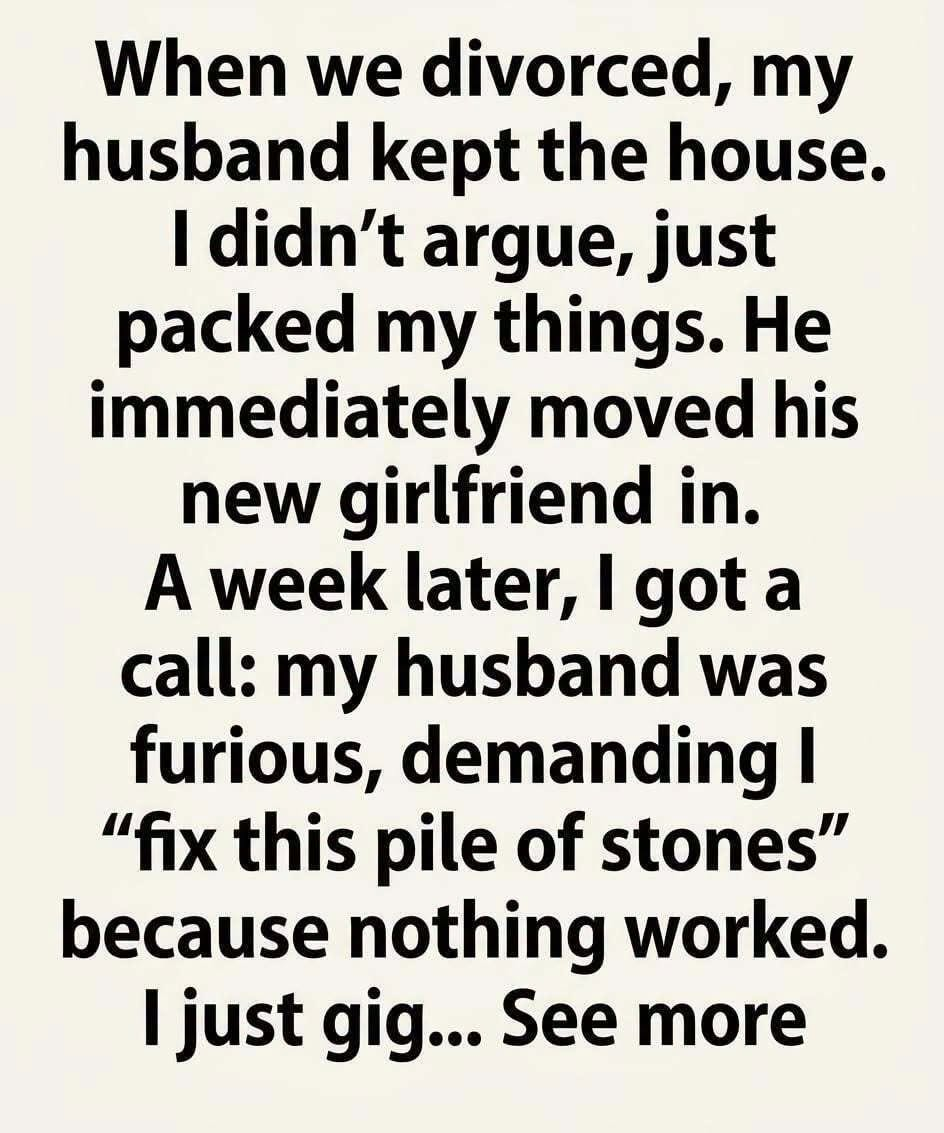
He Kept the House and Expected Me to Keep His New Life Running
Introduction: The Changing Landscape of Divorce and Home Technology
Modern divorce negotiations have extended well beyond the division of physical property. As smart homes become increasingly mainstream, the realities of post-divorce life now include an unexpected element: digital infrastructure. This article examines one vivid example of the friction that can arise when material ownership and technological maintenance intersect. Using the case of an ex-husband who expected his former spouse to keep the household’s digital conveniences running, we will analyze legal, technological, and social factors shaping post-divorce responsibilities.
Modern Homes: More Than Bricks and Mortar
Today’s homes are often intricately linked with subscription services, digital accounts, and networked devices. A connected home may include Internet access, security systems, smart thermostats, irrigation controllers, and more. Each is tied to individual contracts and accounts, often managed solely by one partner. This shift creates new complexity for property rights and maintenance after divorce. Owning a smart home is not simply about holding keys and deeds; it requires understanding and managing digital infrastructure and services.
The Divorce: Material vs. Digital Assets
Traditional divorce settlements typically involve negotiating the division of tangible items: houses, vehicles, furniture, and shared assets. Increasingly, these negotiations must also address the digital subscriptions and technological services essential to a home’s functionality. In the case outlined above, the ex-husband received the family home as part of the divorce settlement. However, he failed to account for the invisible work and ongoing financial commitment required for services underpinning the property’s comfort and operations.
Unseen Labor: The Role of Service Contracts and Digital Accounts
As revealed in this personal account, the home’s connected features—Internet, smart security, irrigation, climate controls—rested on contracts managed by the ex-wife. She opened and paid for the accounts supporting these services, ensuring the home operated smoothly. After the split, she cancelled her subscriptions, withdrawing her support. The ex-husband soon realized ownership alone did not guarantee ongoing convenience; service agreements must be actively maintained by the person who manages the property.
According to property law experts, digital assets and service accounts increasingly play a crucial role in determining who is responsible for home operations post-divorce. Legal settlements may specify transfer of physical property, but unless specifically addressed, digital contracts and subscriptions often remain with the original account holder. This reflects broader trends in asset division, where intangible labor and expertise are increasingly recognized in courts and negotiations.
Legal Perspectives: Asset Division in the Age of Smart Homes
Divorce settlements vary significantly from jurisdiction to jurisdiction, with some courts beginning to recognize and address the distribution of digital assets and ongoing services. Property law scholars emphasize that ownership of a house does not automatically include transfer of personal service contracts, such as Internet subscriptions or smart home accounts. In many cases, these contracts must be renegotiated or transferred, if allowed by providers.
Legal experts recommend explicit discussion and documentation of all digital assets and service contracts during divorce proceedings. Some jurisdictions have already begun updating their guidelines to include such assets, but many still rely on parties to address these issues themselves. Failure to do so can result in confusion, frustration, and, as with the case above, a sudden loss of convenience for the person who has taken possession of the home.
Psychological and Social Implications: Taking Responsibility
Beyond legal and technological challenges, there are deep psychological and social expectations underpinning home ownership and operation after a divorce. The ex-husband’s anger and demand for his former spouse to “fix this pile of stones” reflect a broader pattern: many people assume that household conveniences will persist without recognizing the effort required to maintain them. This expectation, often rooted in traditional gender roles and division of labor, can become particularly problematic in connected homes, where invisible work (managing accounts, troubleshooting devices, paying subscriptions) is essential.
Social science research indicates that emotional labor and household management often fall disproportionately to women, and this trend persists even as homes become more technologically complex. Divorce exposes these invisible dynamics; parties must renegotiate not just who owns the property, but who is responsible for its ongoing functionality.
Expert Views: Digital Infrastructure as Essential Household Labor
Researchers studying digital labor and household management note that managing smart homes is akin to a second job for many owners, requiring time, expertise, and financial investment. Smart home services must be updated, monitored, and often reinstalled or reconfigured when contracts change. Failure to manage these elements can result in loss of security, comfort, and even critical services such as water or electricity.
Experts recommend that anyone inheriting a connected home during divorce carefully audits the digital ecosystem. Key steps include:
- Identifying all home devices, subscriptions, and service providers
- Transferring or opening new accounts as needed
- Scheduling installation of replacement services
- Reviewing security and privacy settings to ensure personal data is protected
- Updating emergency contacts and access permissions
Professional advice is essential for navigating these tasks. Some property management and technology firms now offer digital asset audits as part of divorce settlements, underscoring the increasing complexity of modern home ownership.
Societal Reaction: Public Discussion and Response
The increasing prevalence of smart homes has sparked broad social and legal discussion regarding post-divorce responsibilities and expectations. Media outlets, legal organizations, and technology experts have weighed in, noting that cases like this one are becoming more frequent as homes rely more on digital infrastructure.
Public reaction ranges from empathy to criticism. Some view the ex-husband’s frustration as understandable, given the complexity of modern homes, while others point out the importance of recognizing and valuing the invisible labor behind household management. Online forums and support groups now routinely discuss digital asset management as part of divorce planning, offering advice and sharing experiences.
Internationally, some countries are taking steps to update property law guidelines for the digital age, ensuring that courts and mediators have clear frameworks for dealing with smart home services. These developments reflect a growing recognition that home ownership and operation are evolving, and legal and social systems must adapt accordingly.
Technological Evolution: The Future of Home Management After Divorce
The example detailed here is indicative of a broader trend: as homes become ever more connected, the line between material and digital assets is blurring. Analysts predict that future divorce settlements will routinely include clauses addressing the transfer and management of home-based digital contracts, and providers are developing systems to simplify account transfer and management for new owners.
As technology advances, more devices and services will depend on ongoing subscriptions and maintenance, making it even more critical to clarify roles and responsibilities in the event of a divorce. Legal, technological, and social frameworks must keep pace, providing clear guidance and support for all parties involved.
Conclusion: Clarifying Expectations and Responsibilities in Modern Divorces
This story illustrates the importance of understanding both material and digital aspects of home ownership during divorce negotiations. Ownership of a house does not guarantee the continued operation of its conveniences unless supporting service agreements are explicitly transferred or renegotiated. The labor involved in managing digital assets and subscriptions is increasingly viewed as essential, deserving recognition and respect.
As homes grow more technologically advanced, legal and social norms must adapt. Clarifying expectations, responsibilities, and account management during divorce protects all parties and ensures the smooth transition of home operations. Ultimately, society must recognize both tangible and intangible assets as integral components of modern home life.
Sources
Disclaimer: This content is intended for entertainment purposes only and is not based on real events.