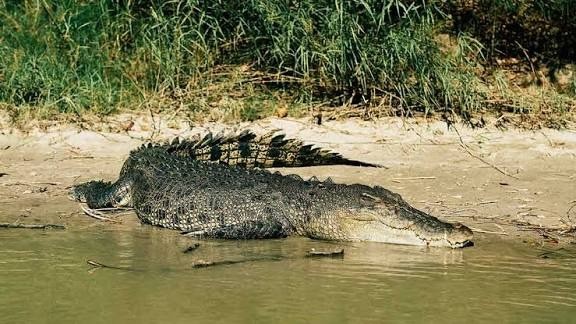
A crocodile can remain almost invisible beneath the surface of a river, with only its eyes and nostrils showing above the water. To someone standing nearby, the river may appear calm and harmless. Yet in areas where crocodiles live, approaching the water can carry serious risks.
Crocodile attacks on humans are among the most concerning forms of human-wildlife conflict. These powerful reptiles are natural predators, and certain species are capable of attacking people who enter or approach their habitat. Although such encounters do not happen to everyone who visits crocodile country, understanding crocodile behavior can help explain why attacks occur and how people can reduce their risk.
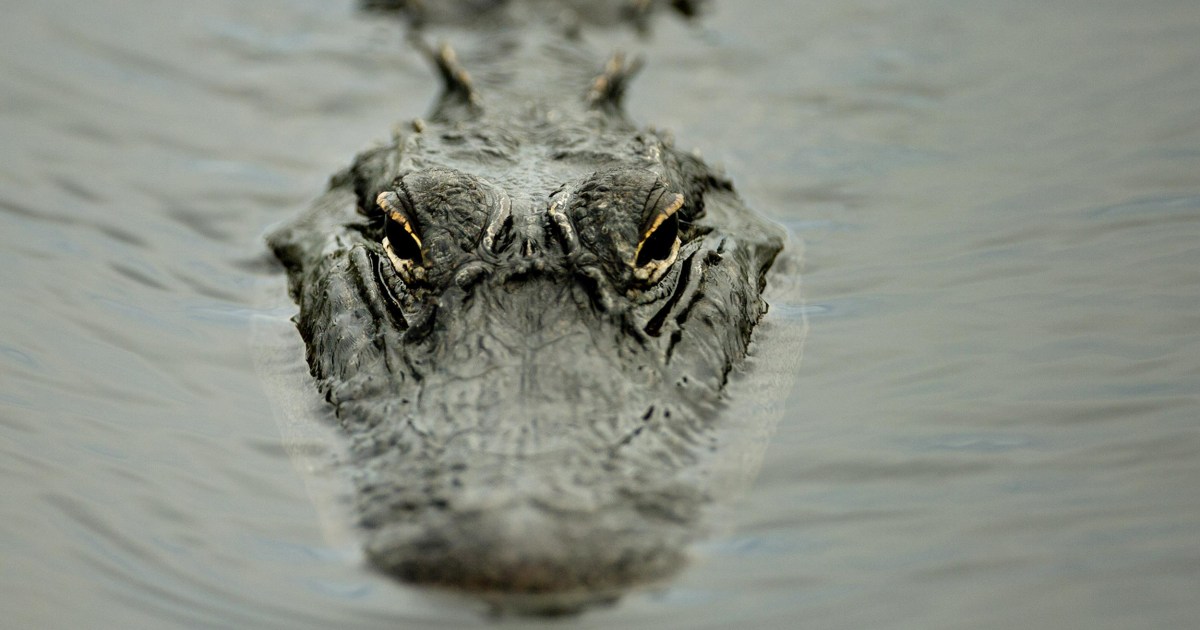
Why Do Crocodiles Attack Humans?
Crocodiles do not attack humans simply because they are naturally aggressive toward everything around them. Their behavior is influenced by feeding opportunities, territory, self-defense, and the circumstances of an encounter.
According to the IUCN Crocodile Specialist Group, crocodilian attacks can involve predatory behavior or defensive responses. In some incidents, the exact trigger is difficult to establish. Source
1. Hunting and Feeding Opportunities
Crocodiles are ambush predators. They often wait quietly near riverbanks, wetlands, estuaries, or other suitable habitats before making a rapid movement toward potential prey.
Large species, including saltwater crocodiles and Nile crocodiles, can prey on a wide range of animals. When people swim, wade, or work close to the water, a dangerous encounter may occur if a crocodile identifies them as potential prey.
This is one reason swimming in waters known to contain crocodiles is particularly hazardous. The animal may be difficult to see, and a person in the water has limited protection from a sudden attack.
2. Defending Territory
Some crocodile species exhibit territorial behavior, particularly around important areas of their habitat. A crocodile may respond defensively when a person or another animal comes too close.
The risk can increase when someone deliberately approaches a crocodile, attempts to touch it, or tries to capture or disturb it. Even an encounter that begins without obvious aggression can become dangerous if the animal feels threatened.
3. Protecting Nests and Young
Crocodiles may defend their nests and offspring against perceived threats. A person who unknowingly approaches a nesting area or young crocodiles may trigger a defensive response.
Nesting sites can be difficult to recognize, particularly in natural environments where vegetation, sand, and riverbanks conceal the surrounding activity. Keeping away from suspected nests and following local wildlife warnings are important precautions.
4. Mistaken Opportunities Near the Water
Human activities can also create situations in which crocodiles and people come into close contact. Fishing, collecting water, cleaning equipment, and disposing of fish remains near riverbanks may bring people into areas where crocodiles hunt.
Pets and livestock can also attract crocodiles. If a crocodile approaches an animal, a person who attempts to intervene may become involved in the encounter.
These situations demonstrate why understanding the surrounding environment is just as important as recognizing the animal itself.
Where Are Crocodile Attacks Most Likely to Occur?
Crocodile attacks are a concern in regions where people share waterways with species capable of seriously injuring humans. These include parts of northern Australia, Southeast Asia, and sub-Saharan Africa, among other areas.
The risk is not identical everywhere. It depends on the crocodile species, local population, habitat, human activities, and the precautions available to nearby communities.
Rivers, Estuaries, and Mangrove Habitats
Rivers and estuaries provide important habitats for several crocodile species. Their muddy banks, submerged vegetation, and changing water conditions can make it difficult for people to notice an animal nearby.
Saltwater crocodiles, for example, inhabit a range of coastal and freshwater environments across parts of the Indo-Pacific region. Their ability to occupy different types of waterways means that a location should not be assumed safe simply because it is far from the open sea.
Fishing and Other Water-Related Activities
People who depend on rivers for food, transport, or household needs may face risks that occasional visitors do not fully understand.
Fishing from the bank, entering the water to retrieve equipment, or collecting water from an unprotected river can bring people close to crocodile habitat. In some communities, avoiding every potentially dangerous waterway may be difficult because local livelihoods depend on access to it.
Reducing these risks therefore requires both individual awareness and practical measures, such as safer water-access points, warning systems, and appropriate barriers.

What Happens During a Crocodile Attack?
A crocodile encounter can develop rapidly. Because crocodiles are adapted to hunting in and around water, a person may have little warning before an animal makes contact.
The outcome of an encounter depends on several factors, including the crocodile’s size and species, the person’s position relative to the water, the nature of the encounter, and how quickly help becomes available.
Research examining saltwater crocodile attacks in Australia found that the size difference between the crocodile and the victim, as well as whether the victim was in the water, were important factors associated with survival. This research highlights why entering crocodile-inhabited water is especially dangerous. Read the study.
Not every crocodile sighting leads to an attack. However, the absence of an obvious warning does not mean that an animal is harmless. Crocodiles can remain still for long periods, and their natural behavior may be difficult for an inexperienced observer to interpret.
For this reason, people should never attempt to test how close they can get to a wild crocodile.
How to Reduce the Risk of a Crocodile Attack
Although no precaution can eliminate every risk, following established wildlife-safety guidance can significantly reduce the likelihood of a dangerous encounter.
Stay Out of Water Where Crocodiles May Be Present
Do not swim or wade in waterways known to contain crocodiles unless local authorities have explicitly identified a safe, designated area. Even shallow water can expose a person to danger.
Do not assume that clear water, a quiet riverbank, or the absence of visible crocodiles means a location is safe.
Keep a Safe Distance From the Water’s Edge
Crocodiles can approach the shoreline and may reach people or animals standing close to the bank. Queensland’s wildlife authorities advise people in crocodile country to remain at least five metres from the water’s edge, while also emphasizing that staying out of the water is essential. Follow local guidance wherever you are. Official safety advice.
Never Feed or Approach a Wild Crocodile
Feeding crocodiles can encourage them to associate people with food, creating dangerous situations for both humans and wildlife.
Do not throw food into the water, leave fish remains near the bank, or attempt to attract a crocodile for photographs. Never try to touch, chase, capture, or provoke the animal.
Be Especially Careful at Night and Around Dawn or Dusk
Crocodiles can be difficult to see in low light. Some species are particularly active during nighttime hours, and darkness makes it harder to identify movement near the water.
Avoid unnecessary visits to riverbanks after dark in areas where crocodiles live. If water-related work is unavoidable, follow local safety procedures rather than relying on visibility alone.
Supervise Children and Keep Pets Away From the Water
Children should remain under close supervision near waterways in crocodile habitats. Pets should also be kept well away from the water’s edge.
A dog playing near a river may appear safe, but its movement can attract a crocodile. Trying to rescue a pet from a crocodile can expose a person to additional danger.
Pay Attention to Warning Signs and Local Authorities
Warning signs, barriers, official advisories, and local knowledge provide important information about hazards that visitors may not recognize.
If you see a crocodile near a public area, keep your distance and notify the relevant wildlife authority. Do not approach the animal to obtain a closer photograph.
If someone is bitten or attacked, seek emergency medical assistance immediately and follow instructions from emergency responders. Do not enter crocodile-inhabited water in an attempt to perform a rescue without appropriate training and professional support.
Why Crocodiles Should Not Be Viewed as Mindless Killers
Crocodile attacks can have devastating consequences, but describing these reptiles as animals that deliberately seek out humans misrepresents their behavior.
Crocodiles have evolved as predators within aquatic ecosystems. They help regulate prey populations and play a role in the ecological balance of the habitats they occupy. Their behavior is shaped by survival, feeding, reproduction, and responses to their surroundings rather than human ideas of hostility or revenge.
At the same time, recognizing their ecological importance does not mean minimizing the danger they pose. Large crocodiles can seriously injure or kill people, and communities living near them need reliable ways to protect themselves.
The challenge is to reduce dangerous encounters while managing wildlife populations responsibly. Better public education, safe infrastructure, responsible tourism, and accurate reporting of sightings can all contribute to safer coexistence.
Conclusion: Respect the Power of Crocodiles
Crocodile attacks on humans are a reminder that even a seemingly peaceful natural environment can contain hidden dangers. A quiet river, a muddy shoreline, or a patch of mangroves may provide habitat for a powerful predator that is difficult to detect.
Understanding why crocodiles attack helps explain the risks associated with swimming, fishing, and working near their habitat. Staying out of unsafe water, keeping a safe distance from riverbanks, avoiding feeding or provoking wildlife, and following local warnings are among the most important ways to reduce danger.
Crocodiles deserve respect as wild animals, not because every encounter will end in an attack, but because their strength and natural behavior leave little room for careless decisions. In crocodile country, awareness and caution can make a meaningful difference.