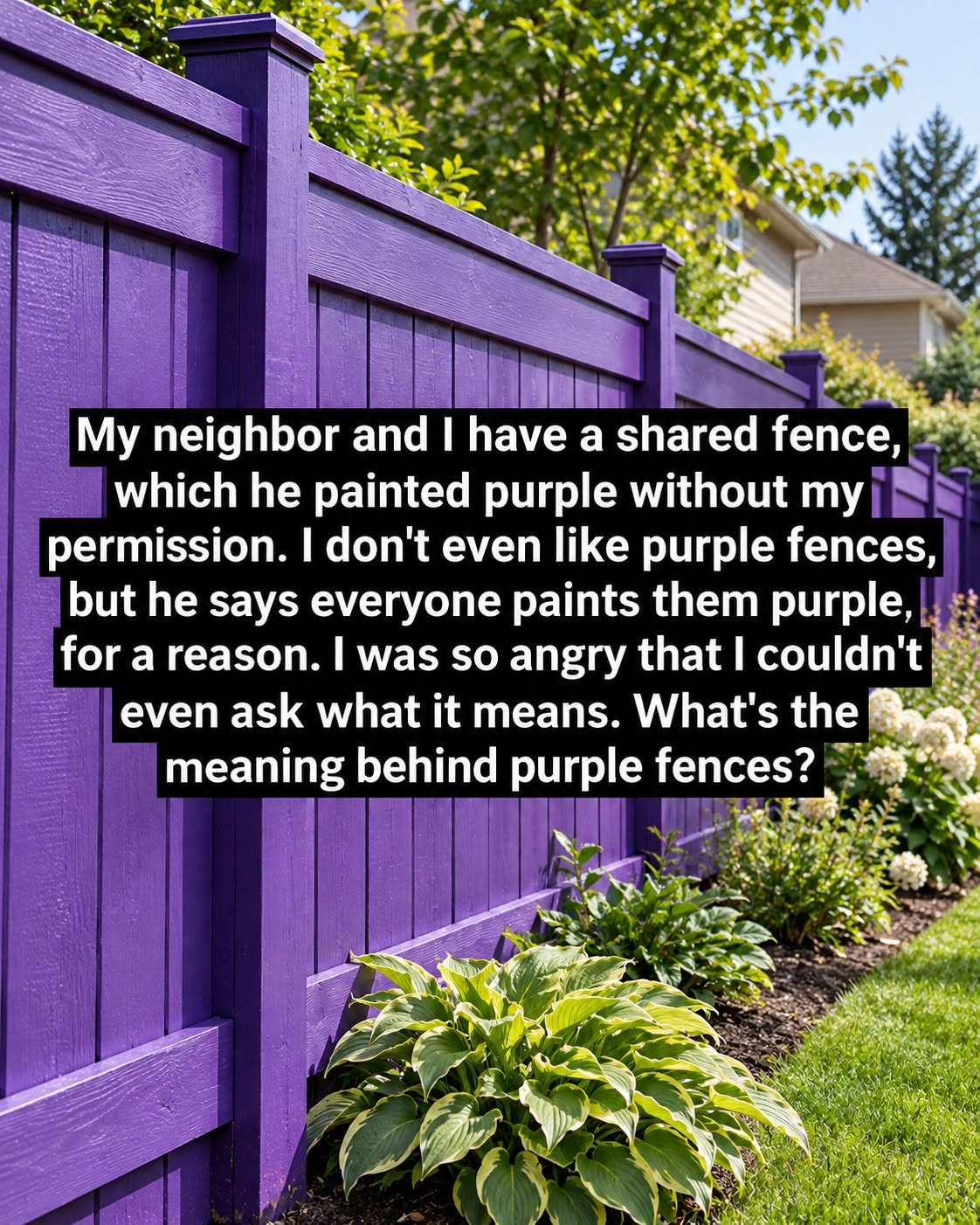
If You Spot a Painted Purple Fence, This is What it Means
The sight of a purple-painted fence might initially seem like a creative flourish—a homeowner’s playful embrace of color, or perhaps an artistic statement along a hiking trail or rural road. However, for many property owners and passersby, this simple visual marker carries legal implications and a very specific warning. When you see a bold splash of purple on a fence post, tree trunk, or gate, it is crucial to recognize the message it conveys and understand its significance before proceeding any further.
The Origins and Legal Meaning of Purple Fence Markings
The practice of using purple paint to indicate private property boundaries originates from legislative efforts to provide clear, visible warnings against trespassing. In some regions of the United States, state laws were introduced to standardize how property owners could mark the edges of their land, offering an easily recognizable and unambiguous signal to deter unauthorized entry.
The concept is simple: a line or patch of purple paint—particularly on fences, trees, or posts—serves as the official equivalent to a “No Trespassing” sign. This system enables landowners, especially in rural areas, to clearly communicate property limits without relying solely on traditional signs, which can be damaged, vandalized, or obscured by weather conditions. The distinctive purple color was selected because it stands out in natural landscapes and is not widely used for other outdoor purposes, minimizing the risk of confusion.
The Purple Paint Law: States and Regulations
The “Purple Paint Law” is the colloquial name for statutes enacted in various U.S. states, including Texas, Illinois, Missouri, Arkansas, North Carolina, and others. The specifics of these laws can vary, but their intent is consistent: purple paint marks establish legal no-trespassing zones. Under these statutes, violators who cross into clearly marked areas with purple paint may be subject to fines, legal action, or even arrest for trespassing, just as they would with more conventional warning signs.
In Texas, for example, House Bill 793 codifies how individuals may use purple markings as a legal method to post property. Similarly, Illinois’ “Criminal Trespass to Real Property” statute permits property owners to use purple paint in addition to signage to give notice against trespassing. The laws often detail the exact way the paint must be applied—the width and length of the mark, the height from the ground, and its placement—to ensure the markings are obvious and accessible.
How the Purple Fence System Works in Practice
According to the Texas Penal Code and similar statutes in other states, purple paint markings on trees or posts must meet specific requirements to be legally effective. Typically, the paint must be applied in vertical lines at specific intervals around the property perimeter, at a certain height above the ground (often between three to five feet), and be clearly visible to anyone approaching.
This system has several benefits. Unlike signs, paint cannot easily be blown away in storms or removed without significant effort. The color purple was uniquely chosen because it is not commonly associated with hunting zones, utilities, or other property markings, and stands out against most natural backgrounds, catching the eye of anyone who might otherwise wander onto private land unwittingly.
Why Landowners Choose Purple Paint Over Signs
Many rural property owners and farmers embrace purple paint as a cost-effective, durable alternative to traditional signage. In forests, fields, and along remote roads, physical signs can be expensive to install and maintain. They can also degrade over time or be deliberately removed. Purple paint, on the other hand, is inexpensive and long-lasting. Applying a line or square of paint to a tree or fence post creates a weather-resistant, low-maintenance boundary marker that reliably communicates ownership to hikers, hunters, and passersby.
This method also assists law enforcement and wildlife officials in identifying legal property boundaries. Painted tree trunks or fence posts leave no ambiguity about a landowner’s intent, and statutes governing their use provide clear guidelines for how to interpret these markings in a court of law.
Misconceptions and Real-World Implications
Despite its widespread use in some states, many people remain unaware of what purple fence or tree markings mean. Urban dwellers or out-of-state visitors, particularly hikers and hunters unfamiliar with these laws, may inadvertently cross into restricted areas. Such misunderstandings can lead to unwelcome encounters with landowners or legal consequences. Educational campaigns led by local governments and conservation organizations strive to inform the public about the meaning of purple paint and encourage responsible outdoor behavior.
It is important to note that the presence of purple paint carries the same legal weight as posted signs where the applicable statutes are in force. Ignoring these markers can result in being cited for criminal trespass, regardless of intent. Therefore, individuals venturing onto private or unfamiliar land—especially in regions known to employ the purple paint system—should pay careful attention to their surroundings and act accordingly.
Expert Views on Property Rights and Public Awareness
Legal scholars and property rights advocates point to the purple paint system as a practical, low-impact way to balance private property protection with public access. According to legal analyst Professor John G. Sprankling, author of “Understanding Property Law,” visual boundary markers can prevent accidental trespassing while minimizing conflict between landowners and the public. Outdoor experts and hunting associations echo these sentiments, highlighting the value of clear, consistent signaling to preserve safety and respect for property rights.
Law enforcement representatives note that such standardized markers simplify their job, providing tangible evidence of boundary violations and landowner intent in disputes. Conservation organizations, however, also encourage ongoing public education to support outdoor recreation and responsible land use.
International Practices for Marking Private Property
While the use of colored paint to signal property boundaries is distinctive to some parts of the United States, other countries rely on different systems. In the United Kingdom, property lines are generally marked with hedges, fences, or stone walls, and “trespass” is typically a civil, rather than criminal, matter. In Australia, legal signage must be clearly displayed to warn visitors not to enter private property. In Canada and parts of Europe, conventional signage is the primary approach for communicating property restrictions.
Globally, the purple paint law remains relatively unique in its clarity and effectiveness, combining visual simplicity with the backing of legal statutes. By making boundary markers easily recognizable, the practice fosters harmony between property holders and members of the public enjoying open spaces.
What Should You Do If You Spot a Purple Fence?
If you encounter a purple-painted fence, tree, or gate, your best course of action is to recognize the warning and respect the boundary. Do not enter or cross into areas marked with purple unless you have explicit permission from the property owner. If you are uncertain whether a trail or road leads onto private land, seek out official signage or consult with local authorities. Responsible outdoor recreation hinges on respecting established norms and the rights of property owners—and being knowledgeable about purple paint laws is a key part of that respect.
For landowners, employing purple paint can be a proactive measure to protect property, prevent unwelcome intrusion, and stay compliant with state trespass laws. Always follow local guidelines for the placement and visibility of purple paint, and stay informed about the evolving legal landscape in your state or region.
Conclusion: The Unassuming Power of Purple Paint
What might seem like a quirky, colorful fence or tree marking is often a silent but strong message: “Do not trespass.” The use of purple paint alongside rural roads and wooded paths across various states is both a practical and legally binding warning. Understanding this visual cue is crucial for anyone exploring unfamiliar territory, whether hiking, hunting, or simply passing by. With enhanced public awareness, clear communication, and respect for property rights, the purple paint system continues to offer a cost-effective, durable, and efficient solution for marking private land throughout many regions of the United States.

Sources
- Reuters – Why Some People Paint Their Fences Purple
- BBC – The Real Meaning Behind Purple Fence Posts
- National Geographic – The Story Behind Purple Fences
- The Texas Tribune – Purple Paint Law Explained
- The Guardian – What Does a Purple Fence Mean?
Disclaimer: This content is intended for entertainment purposes only and is not based on real events.