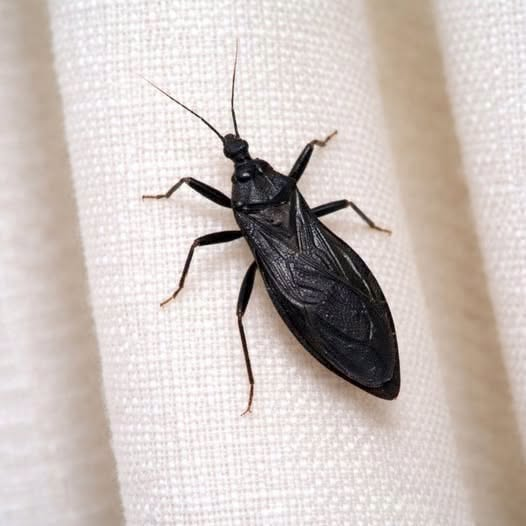
A Quiet Night Can Hide a Threat: Understanding Kissing Bugs and Chagas Disease
A peaceful evening relaxing on your porch may seem harmless, but it may harbor one of nature’s hidden threats: the kissing bug. Though rarely noticed, these insects can carry the parasite responsible for Chagas disease—a condition that can go undetected for years but poses serious health concerns. Understanding how exposure occurs, recognizing the risks, and knowing what to do if you encounter a kissing bug are essential steps for protecting your health and that of your loved ones.
What Are Kissing Bugs?
Kissing bugs, scientifically known as triatomine bugs, are a group of blood-feeding insects belonging to the Reduviidae family. The name “kissing bug” comes from their tendency to bite humans around the mouth or eyes while they sleep. These insects are nocturnal, seeking shelter in cracks and crevices during the day and emerging at night to feed on the blood of mammals, including humans, pets, and wildlife.
While kissing bugs can be found throughout the Americas, they are most commonly associated with rural and suburban regions of Central and South America. In recent years, their presence has also been increasingly reported across the southern and even some western portions of the United States.
Chagas Disease: The Hidden Danger
Kissing bugs are not inherently dangerous themselves, but the real risk comes from the parasites they may carry—specifically, Trypanosoma cruzi. This protozoan is the agent behind Chagas disease, a potentially life-threatening illness that can linger undetected in the body. The World Health Organization (WHO) estimates that 6 to 7 million people worldwide are currently infected with T. cruzi.
How Is Chagas Disease Transmitted?
Contrary to common belief, simply being bitten by a kissing bug does not guarantee infection. Chagas disease is most often transmitted when a kissing bug defecates after feeding and the feces—containing the T. cruzi parasite—enter the person’s body through the bite wound, eyes, mouth, or a break in the skin. This is more likely to occur when someone scratches or rubs the area where the bug has bitten.
Other, less common transmission routes include congenital transmission (from mother to child during pregnancy), organ transplantation, blood transfusion, and, rarely, consuming food or drinks contaminated with the parasites.
Symptoms of Chagas Disease
One of the most challenging aspects of Chagas disease is its mild or silent onset. Symptoms can be divided into two stages:
Acute Phase
- Occurs soon after infection (within weeks or months)
- Usually mild or without symptoms
- Possible symptoms: mild fever, swelling at the infection site (known as a chagoma), rash, headache, nausea, enlargement of lymph nodes, or swelling around the eyes and face (Romaña’s sign)
Chronic Phase
- May last for life if untreated
- Most people never develop symptoms, but 20%–30% develop severe complications
- Potential complications: heart disease (including heart failure and arrhythmias), digestive issues (such as an enlarged esophagus or colon), and, in rare cases, sudden death
Because early symptoms are often mistaken for other mild illnesses or overlooked entirely, many cases of Chagas disease are only diagnosed once chronic complications have set in.
Where Are Kissing Bugs Found?
Kissing bugs inhabit a wide range of environments. They are native to Latin America but have been found in at least 28 U.S. states, predominantly in the South. Common outdoor habitats include:
- Woodpiles or piles of brush
- Doghouses, chicken coops, and animal shelters
- Under porch lights and patio furniture
Indoors, they can hide in cracks and gaps in walls, under beds or mattresses, and behind furniture.
Kissing Bugs vs. Other Insects
Kissing bugs are sometimes mistaken for other insects such as stink bugs or assassin bugs. Key identifying features include:
- Flat, oval body about 1–2.5 cm long
- Dark brown or black color with orange or red stripes along the edges
- A long, cone-shaped head and thin, segmented legs
If you believe you have seen a kissing bug, refrain from touching it with your bare hands. Capture it safely (using tape or a container) for identification by local health authorities.
Expert Advice: What To Do If You Are Bitten
If you suspect a kissing bug has bitten you or a family member, the Centers for Disease Control and Prevention (CDC) advise the following:
- Wash the bite area thoroughly with soap and water.
- Try to capture the bug safely without crushing it, using gloves or a jar.
- Contact your local or state health department for identification and guidance.
- Monitor for symptoms, especially fever, swelling, or general discomfort.
- If you develop severe or persistent symptoms, promptly seek medical advice and inform your healthcare provider about the potential exposure.
Early diagnosis and, if necessary, antiparasitic treatment are crucial for successful management of Chagas disease. Two medications, benznidazole and nifurtimox, are commonly prescribed to treat the infection, especially in its acute phase.
Preventing Kissing Bug Encounters and Chagas Disease
Reducing your risk of kissing bug bites and Chagas transmission is possible with practical steps:
- Seal cracks and crevices in your home’s walls, windows, doors, and foundation.
- Install door sweeps and fine mesh screens on windows.
- Move outdoor lights away from entrances, as they attract insects at night.
- Keep yards free of brush, wood, and other debris that could harbor bugs.
- Regularly inspect outdoor animal shelters and pet bedding for signs of bugs.
- If traveling to rural areas of Latin America, stay in housing with solid walls and screens, and sleep under insecticide-treated netting when possible.
For pets, particularly dogs that sleep outdoors, ensure shelters are clean, well-maintained, and checked often for insects. Some veterinarians may also provide advice on protecting animals in areas where kissing bugs are common.
Global Perspective: Chagas Disease as a Public Health Challenge
Chagas disease is classified as a neglected tropical disease, meaning it receives less attention and resources compared to more high-profile illnesses. The disease causes significant morbidity and mortality, particularly in Latin America, but is an emerging public health issue in non-endemic areas due to migration and climate change. International efforts are aimed at improving screening, developing better treatments, and expanding awareness campaigns.
In countries where Chagas is endemic, efforts focus on vector control, blood donation screening, and maternal-child transmission prevention. In the United States and Europe, where cases are mostly imported from Latin America, public health strategies include advising clinicians to consider Chagas in at-risk populations and providing guidelines for diagnosis and care.
Scientific Advances and Ongoing Research
Research into Chagas disease and kissing bugs is ongoing and multidisciplinary. Scientists are developing new diagnostic tests, safer drug treatments, and vaccines. Entomologists and public health experts also explore ways to control kissing bug populations, such as environmentally friendly insecticides, improved housing designs, and community-based interventions.
Conclusion: Awareness and Action
While encountering a kissing bug can be alarming, understanding the actual risks and the steps you can take protects your health and helps dispel unnecessary fear. Chagas disease is often silent at first, but early awareness, prompt medical attention, and prevention measures vastly reduce the chance of serious complications. As research continues and public health efforts expand, knowledge remains our best defense against this quiet threat.
Sources
- World Health Organization (WHO)
- U.S. Centers for Disease Control and Prevention (CDC)
- Mayo Clinic
- Reuters
- The Guardian
- BBC
- Al Jazeera
Disclaimer: This content is intended for entertainment purposes only and is not based on real events.