
She started working in front of the camera at just 3 years old and has since become something of a Hollywood legend. Over the course of her career, she has appeared in more than 50 television shows and countless movies, eventually becoming a two-time Oscar winner.

Jodie Foster’s remarkable journey through the world of entertainment began when she was only three years old. Recognized today as one of the most talented and respected actresses of her generation, Foster’s story is as much about resilience as it is about fame. While many child actors struggle with the pressures of early stardom, Foster forged a lasting career and established herself as both a celebrated performer and influential director. However, her path was marked by significant personal and professional challenges, which shaped the sensitive, nuanced artist she would become.
Early Life: A Complicated Childhood
Born Alicia Christian Foster in Los Angeles, Foster entered the spotlight almost by chance. Her parents parted ways before her birth, leaving her mother Evelyn “Brandy” Foster as the primary guardian for Jodie and her siblings. Raised in an unconventional household alongside her brother, Jodie’s childhood veered away from the ordinary, not just due to her celebrity status, but also the complex dynamics of her family.
Her father, Lucius Fisher Foster III, a decorated U.S. Air Force lieutenant colonel and real estate broker, was largely absent from her upbringing. Years later, he would be convicted of fraud and ultimately pass away from Alzheimer’s disease in 2019, reportedly penniless and living just miles from where Jodie resided in Los Angeles. This chapter highlights a recurring reality in Hollywood: the separation between glamour and personal hardship.
Even at a very young age, Jodie’s intellect was evident. She learned to read at three, which, combined with a precocious demeanor, helped her gain early work in commercials, supporting the family alongside her brother Buddy Foster. Long before winning Oscars, Jodie’s early exposure to the entertainment workforce instilled in her a sense of discipline and adaptability. She has since credited these formative experiences with preparing her for the unpredictable nature of show business.
Yet, as she later shared, “Being a child prodigy is lonely. You’re different from other kids. No one else can understand.” These words, spoken during a candid interview with Parade in 2008, encapsulate the isolation that can accompany childhood fame.
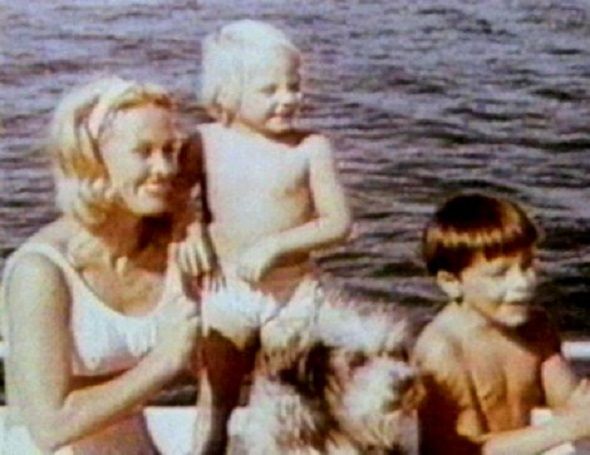
Child Stardom: Peril, Fame, and Growth
By the age of seven, Jodie was booking television roles. At ten, she encountered one of the more frightening moments of her career while filming Napoleon and Samantha, where she was attacked by a lion on set. This traumatic event would have been enough to dissuade many from continuing in the industry, but Foster persevered. The incident underscored both the risks and reality of working as a child actor at a time when industry safety protocols were less stringent than today.
Her mother played a pivotal role—not just as a guiding hand on set but as a guardian of her emotional wellbeing. Foster has often noted that her mother taught her to maintain ownership over certain parts of herself that the public would never see. This advice would become an essential coping mechanism, helping her navigate the pressures and expectations of fame.
At just 12 years old, Foster’s acting prowess was on full display when she portrayed Iris, a child prostitute, in Martin Scorsese’s Taxi Driver. The role was controversial, both because of her age and the subject matter, but her performance won universal acclaim and earned her an Academy Award nomination.
Personal Tragedy Amid Breakthrough Success
The period surrounding the release of Taxi Driver was particularly tumultuous for Foster. Hours before she was scheduled to attend the film’s Cannes premiere, a personal tragedy struck: her puppy was fatally injured in a household accident. Foster, only 13 at the time, witnessed this distressing event firsthand, an experience she later described in vivid—if painful—detail. Speaking to AARP decades later, she recounted how the trauma shaped her internal life, indicating a turning point in how she processed the rapid changes she was experiencing.

Foster has revealed that she coped with her grief by engaging in “magical thinking,” believing that her newfound success came at the cost of something dearly loved. She said, “I had a whole internal thing that I had to give up the thing I loved most to get this success.” Rather than sharing her feelings, she internalized them, seeking solace in privacy during a time when the world’s attention was fixed upon her.
This pattern of self-reflection and emotional withdrawal became a vital skill that helped her survive, and later thrive, in Hollywood. Throughout her youth and beyond, Foster made conscious efforts to separate her inner life from her public persona—a lesson learned early that would serve her well in the uncertain world of fame.
The Challenges of Child Fame and Remaining Grounded
Foster’s early life and meteoric rise in Hollywood are reflective of a broader narrative seen among other child actors. The entertainment industry, particularly in the 1970s and 1980s, often failed to safeguard the wellbeing of its youngest talents. Foster’s story is remarkable not just for her survival, but for her determination to build something enduring out of her initial circumstances.
She has publicly expressed empathy for other child stars who experienced exploitation and trauma, saying, “I’ve really had to examine that, like, how did I get saved? There were microaggressions, of course. Anybody who’s in the workplace has had misogynist microaggressions. That’s just a part of being a woman, right? But what kept me from having those bad experiences, those terrible experiences?” Reflecting on her career, Foster often acknowledges the unique combination of family support, self-protection, and professional choices that helped her avoid pitfalls others could not.
While many child stars struggle to transition into adulthood, Foster made the deliberate choice to prioritize her education. She attended Yale University, balancing academic pursuits with ongoing professional work—a rare accomplishment for someone so deeply immersed in Hollywood from a young age. She graduated in 1985, having considered abandoning acting altogether due to self-doubt and an identity crisis that is familiar to many who start their careers in childhood. Ultimately, Foster’s return to the screen was marked by a commitment to varied, challenging roles that allowed her personal growth and artistic reinvention.
Ascension to Oscar-Winning Success
Jodie Foster’s transformation from a prodigy to an acclaimed adult actress was solidified with her powerful performance in The Accused (1988), earning her first Academy Award. She followed this with another iconic role: Clarice Starling in the 1991 psychological thriller The Silence of the Lambs, starring opposite Anthony Hopkins. Both films are considered cinematic milestones, and Foster’s portrayals helped elevate her reputation as one of the industry’s most talented and versatile actors.
These performances set her apart from many of her peers, marking a clear departure from her child star origins. Both films engaged with challenging social themes, with Foster’s characters navigating complex moral and emotional landscapes. Her willingness to embrace such material demonstrated not only her artistic courage but also her commitment to using her platform for meaningful storytelling.
Beyond Acting: A Multifaceted Career in Hollywood
Never content to rest on her acting laurels, Foster later explored the world behind the camera, establishing herself as an accomplished director and producer. She directed films like Little Man Tate (1991), Home for the Holidays (1995), and episodes of critically acclaimed television series such as Orange Is the New Black and Black Mirror. These ventures have further cemented her influence in the industry, showing a desire to craft stories that reflect complexity and humanity from both sides of the lens.
Foster’s directorial projects often explore themes she has personally grappled with: identity, family, loss, and the nature of artistic vocation. By translating her experiences into creative output, she continues to shape Hollywood’s narrative landscape and remains a role model for both emerging performers and women in film.
Legacy, Impact, and Enduring Influence

Now in her sixties, Jodie Foster continues to command respect as one of Hollywood’s foremost figures. More than fifty years after her television debut, she has accrued critical acclaim, industry awards, and a reputation for personal and artistic integrity. Her adaptability amidst adversity and her commitment to privacy—even as she lived much of her life in the public eye—have made her a singular figure in American culture.
Foster’s openness about the personal hurdles she faced, from family instability to the emotional toll of early stardom, speaks to the courage and tenacity required to turn difficult beginnings into an extraordinary life. Her journey offers valuable insights for anyone navigating the entertainment industry today and is a testament to the resilience of the human spirit.
She remains active as both an actress and filmmaker, using her experience to inform her work and inspire the next generation of artists. Today, Foster’s story is a powerful reminder that success is not defined solely by awards or wealth but also by one’s ability to persevere, adapt, and contribute meaningfully to their chosen field.
Conclusion
The life and career of Jodie Foster illustrate the complexity behind public success stories. Though she has amassed honors and public recognition, her journey is marked equally by personal challenge and the lasting effects of growing up in front of the world. The legacy she leaves is not merely that of a talented actress or lauded director, but as an example of transcending difficulties to build a purposeful and impactful life within—and beyond—the spotlight of Hollywood.
Sources
Disclaimer: This content is intended for entertainment purposes only and is not based on real events.