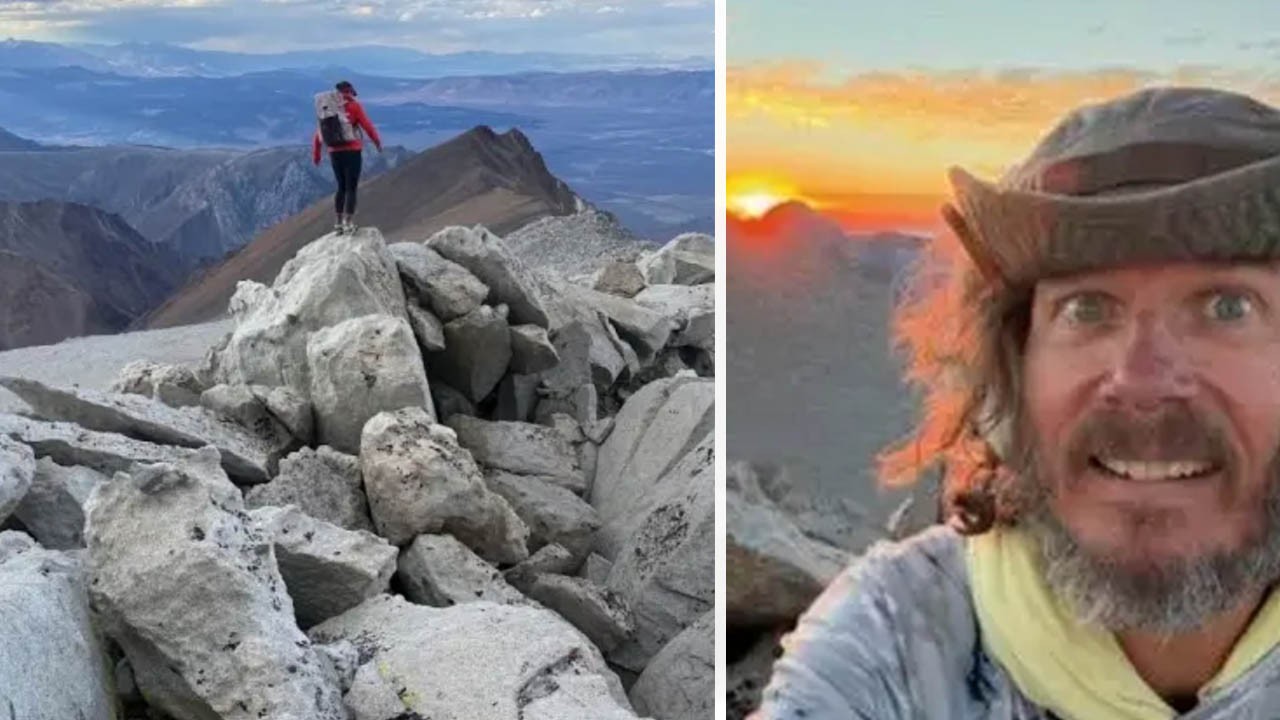
California Climber Brian Seibert’s Final Hours: A Tragic Descent from Mount Morgan
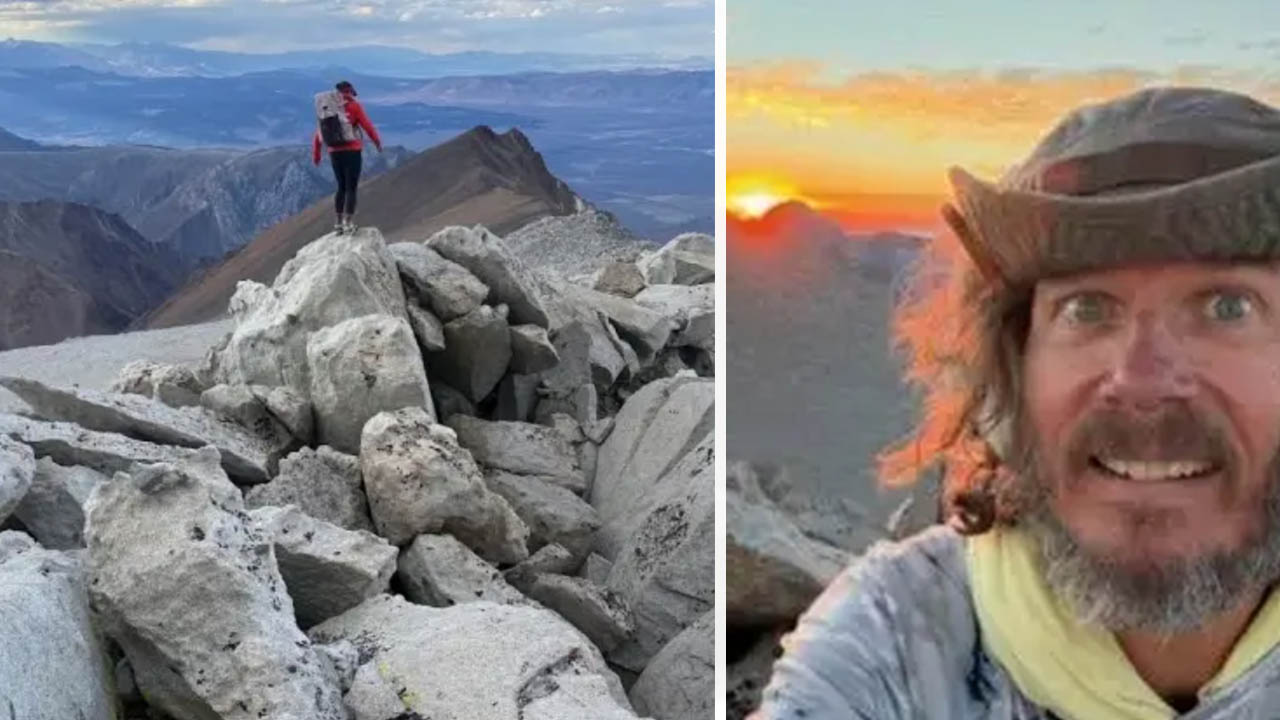
On Sunday, October 4, an experienced climber lost his life in a tragic fall while descending the challenging slopes of Mount Morgan in California’s Inyo National Forest. Brian Seibert, a respected member of the Eastside climbing community, had reached the summit of the 13,000-foot peak before disaster struck during his descent. New details, including what may have been a final message, have provided deeper insight into his last hours and the extensive search and recovery mission that followed.
Background: Mount Morgan and the Climbing Community
Mount Morgan stands as one of California’s most iconic and demanding summits within the Sierra Nevada range. Known for its steep grades, loose scree, and treacherous couloirs, it attracts seasoned climbers seeking both challenge and reward. The mountain is not considered a beginner’s climb and frequently tests even the most prepared adventurers.
Brian Seibert, 53, was an experienced climber with a passion for peak bagging—summiting as many notable mountains as possible. Friends and fellow climbers consistently described him as cautious, well-prepared, and deeply knowledgeable about the rigors of high-altitude alpine travel.
The Ascent and Final Communication
On the morning of Sunday, October 4, Seibert set out to summit Mount Morgan, following a route known for its technical challenges. After successfully reaching the summit, he sent a text around 7 p.m. stating he had started his descent. This last communication held out hope for a routine return, but tragically, Seibert never arrived at his expected destination.
According to an official statement from the Mono County Sheriff Search & Rescue Team, this outgoing message became a key reference point during the subsequent search efforts.
The Search: A Race Against Time and Terrain
By 11:30 p.m., concern grew when Seibert failed to return as scheduled. Family and friends immediately alerted authorities. The Mono County Sheriff’s Search and Rescue team, who regularly respond to emergencies in the rugged Sierra Nevada, mobilized at dawn on Monday, October 5. Their task was complicated by the vastness and complexity of the terrain, where shifting weather and loose rock can quickly turn routines hazardous.
Responders utilized a multifaceted approach. Photographic terrain matching, extensive cell phone forensics to triangulate Seibert’s last known locations, and a search dog deployed at the trailhead all guided rescuers toward likely areas along his descent route. The team carefully reconstructed the climber’s movements through the couloir—a steep, narrow gully typically laden with loose rocks and snow depending on the season.
Challenges of the Rescue Operation
Searching above 12,000 feet, the team contended with thin air, unstable ground, and unpredictable weather. The physical and mental endurance required in such scenarios cannot be overstated; even the most experienced rescuers must balance urgency with safety. On October 5, a CH-47 Chinook helicopter operated by Cal Guard was called in to transport personnel to approximately 12,500 feet, closing the gap between ground teams and the search area.
The combination of advanced technology and traditional search skills, including the tracking of footprints and analysis of subtle terrain disturbances, underscored the seriousness of the operation. For over 72 hours, rescuers combed the eastern slopes of Mount Morgan, holding onto hope for a miracle while bracing themselves for sobering news.
Discovery and Recovery Efforts
On the afternoon of October 7, progress was made when a helicopter crew operating as “Schooner 06” identified an anomaly near the bottom of the Grand Central Couloir—a prominent east-facing gulley descending from the summit. This area, characterized by steep drop-offs and inaccessible ledges, is notorious among climbers for its exposure and consequential risks.
A ground team, following a solitary set of tracks through the couloir, reached the location soon after. There, they found Brian Seibert, having suffered an unsurvivable fall from a cliff band at the base of the couloir. The recovery was further delayed due to the hazardous terrain, which made helicopter landing impossible and required specialized extraction techniques.
According to another official report by the Mono County Sheriff Search and Rescue team, recovery was initially deemed unsafe due to limited daylight and unstable conditions. A Yosemite National Park helicopter with short-haul capability returned early Wednesday morning to safely bring Seibert home.
Community Response and Reflections
The confirmation of Seibert’s passing sent shockwaves through California’s alpine community. Friends, family, and fellow climbers expressed their grief and offered tributes to his passion for mountain exploration and his commitment to safety. The Mono County Sheriff Search and Rescue team publicly extended heartfelt condolences to Seibert’s loved ones and the broader Eastside community, reflecting the deep bonds often forged through shared adventure and mutual respect for nature’s power.
The Eastside region of California is known for its strong sense of community among outdoor enthusiasts. Local climbing groups and online forums dedicated to Sierra peaks saw an outpouring of remembrance, as well as calls for renewed attention to mountain safety and preparedness.
Expert Insights: Risks and Resilience in Alpine Climbing
Mountain climbing remains inherently risky, even for seasoned participants like Brian Seibert. Occupational hazards, such as rockfall, rapidly changing weather, and exhaustion, can challenge decision-making and physical ability in moments when margins for error are thin.
Experts in outdoor safety emphasize continuous education and preparedness. According to the American Alpine Club, climbers should always consider contingencies for self-rescue and carry redundant systems for communication in areas with poor cell service. Increasingly, GPS-enabled personal locator beacons are recommended as a supplement to mobile phones.
“Mountains are indifferent to experience,” notes a Sierra climbing coach. “Even for veterans, the combination of route-finding, unpredictable terrain, and environmental factors means there is real risk each time you head out. That’s why continued training, humility, and respect for both the mountain and our personal limits are essential.”
The Search and Rescue Community’s Commitment
This tragic incident also highlights the professionalism and heroism of volunteer and professional rescue squads. In Mono County and broader California, search and rescue teams are composed of highly trained individuals, many of whom are climbers themselves. Their missions regularly involve deploying in difficult conditions to help those injured or lost in the backcountry.
These responders undergo intensive year-round training, including navigation, technical rope work, high-angle rescue, and emergency medicine. The recovery of Brian Seibert required not only technical skill and coordinated teamwork, but also significant emotional resilience as rescuers come face-to-face with the limits of even the best preparations.
Impacts on Mountain Safety Practices
The death of an experienced climber like Seibert draws new focus on mountain safety, preparedness, and the importance of risk assessment for every climb, regardless of a person’s skill level. Local search and rescue organizations encourage all adventurers to share detailed trip plans, check real-time weather and route updates, and recognize the signs of changing conditions while in the field.
In the aftermath of the incident, educational groups highlighted additional best practices, such as traveling in teams whenever possible, keeping regular check-ins via satellite or cellular communication, and always remaining adaptable to turn back when danger increases.
International and Societal Reactions
Mountain climbing accidents resonate within the international outdoor community, as climbers and organizations worldwide share similar challenges and risks. Social media and mountaineering organizations across North America and Europe offered condolences, using the tragedy to remind their audiences about collective vigilance and shared responsibility in outdoor recreation.
Online tributes further acknowledged Seibert’s contributions to route documentation, mentorship of new climbers, and his evident love for the Sierra landscape. Industry leaders noted the important role transparent reporting plays in community safety and learning, encouraging continued dialogue around incidents to foster a culture of reflection and improvement.
Conclusion: A Life Remembered and Lessons for the Future
Brian Seibert’s final journey on Mount Morgan is a somber reminder of nature’s unforgiving beauty and the ever-present need for respect, preparation, and humility in the mountains. As family, friends, and the greater climbing community mourn his loss, his memory also prompts renewed commitment to learning and safety for all who seek adventure in wild places.
The efforts of the Mono County Sheriff Search & Rescue Team and Yosemite National Park responders stand as testimony to the power of community and resilience. While every loss is profound, the investigation and response provide valuable lessons that can help protect future climbers, reinforcing the critical importance of preparedness and mutual support in the backcountry.
Sources
- Mono County Sheriff Search & Rescue Team
- Reuters
- BBC News US & Canada
- Al Jazeera
- The Guardian US
- American Alpine Club
Disclaimer: This content is intended for entertainment purposes only and is not based on real events.