10 Warning Signs of Clogged Arteries You Should Never Ignore
In an era where health information is more accessible than ever, understanding the early warning signs of serious conditions—like clogged arteries—can be life-saving. Currently, cardiovascular diseases remain the leading cause of death globally, responsible for an estimated 17.9 million lives each year, according to the World Health Organization (WHO). Developing an awareness of the subtle, sometimes overlooked symptoms of arterial blockages is essential for proactive health management and can often prevent life-threatening events such as heart attacks or strokes.
This comprehensive guide will explore the signs and symptoms of clogged arteries, delve into the science behind arterial disease, and highlight what actions to take if you recognize these warning signals. Knowledge, paired with timely action, remains your best defense in staying healthy and preventing fatal cardiovascular events.
Understanding Clogged Arteries
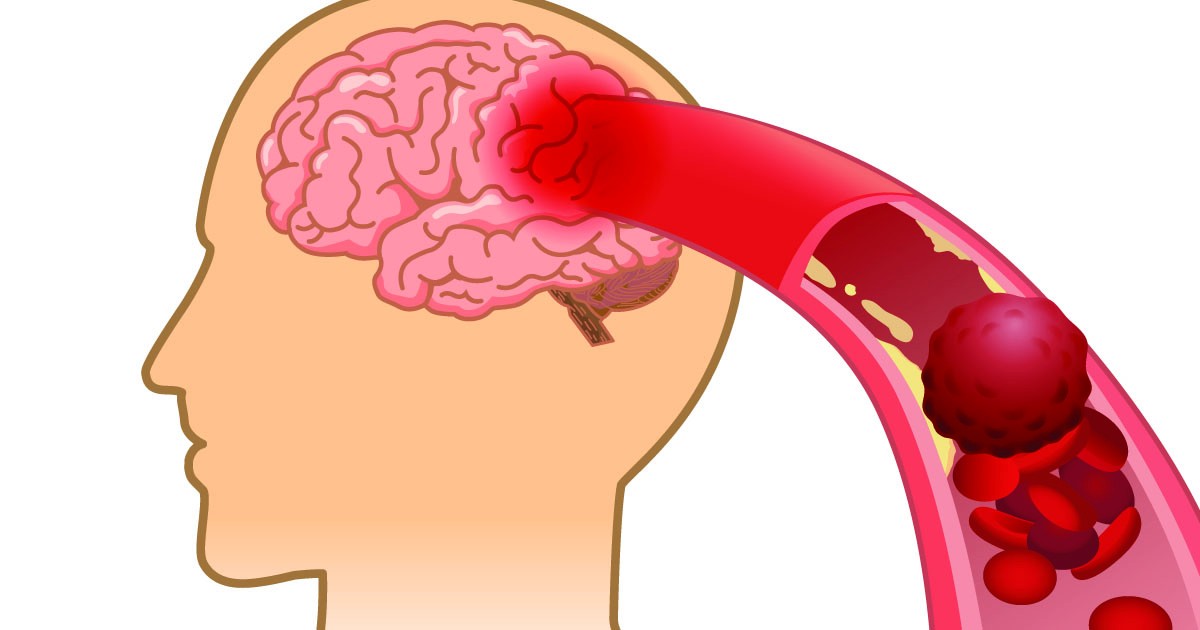
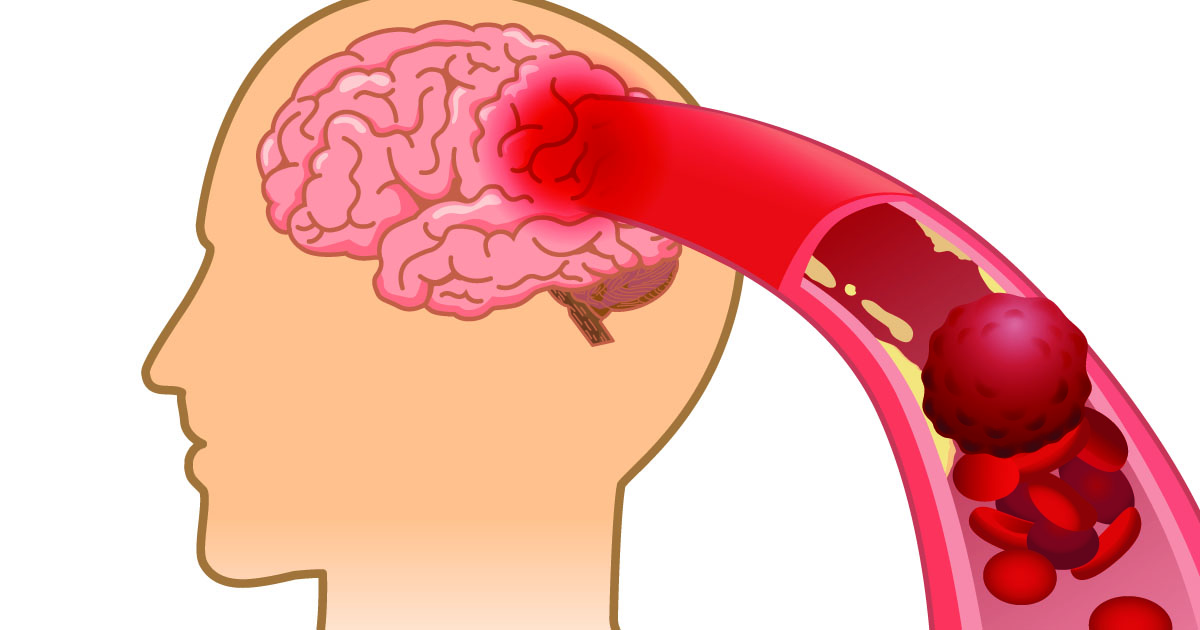
Clogged arteries, medically known as atherosclerosis, occur when fatty deposits—called plaque—accumulate inside the blood vessels over time. This buildup narrows the arteries, restricting blood flow and increasing the risk for serious health events such as heart attacks, strokes, and peripheral artery disease (PAD). While aging is a natural risk factor, lifestyle choices such as a poor diet, lack of exercise, smoking, and unmanaged medical conditions like hypertension and diabetes significantly contribute to atherosclerosis.
The most concerning aspect of clogged arteries is their often silent progression. Symptoms may be mild or easily mistaken for other conditions until a dangerous event occurs. Early identification and intervention are therefore crucial.
10 Warning Signs of Clogged Arteries
Recognizing the warning signs of clogged arteries can make a vital difference. Below, we explore ten symptoms that should trigger a consultation with your healthcare provider. These signs range from subtle to severe, and awareness is essential for early diagnosis and treatment.
1. Nausea
Nausea is a broad symptom with many possible causes, but persistent or unexplained nausea should not be ignored, especially when accompanied by other cardiovascular symptoms. According to the American Heart Association (AHA), nausea or even vomiting can sometimes occur during a heart event as diminished blood flow impacts digestive processes. If you experience ongoing nausea without an obvious explanation, especially if you are at higher risk due to age, lifestyle, or family history, it is prudent to discuss this symptom with your healthcare provider.
2. Chest Pain (Angina)
Perhaps the most well-known warning sign of heart problems is chest pain, or angina. Angina is typically caused by reduced blood flow to the heart muscle as plaque narrows coronary arteries. This pain is often described as pressure, squeezing, or tightness in the chest, but it can also radiate to the shoulders, arms (especially the left arm), neck, jaw, or back. If you experience chest discomfort, particularly during physical exertion or stress, seek immediate medical attention, as this may be a precursor to a heart attack.
3. Shortness of Breath
Shortness of breath can be a sign that your heart isn’t able to deliver enough oxygen to the body due to obstructed arteries. While it’s normal to be winded after intense activity, frequent or unexplained episodes—especially during minimal effort or at rest—warrant investigation. According to the Mayo Clinic, shortness of breath can result from blockages in the coronary or pulmonary arteries and may indicate heart or lung compromise.
4. Weakness or Numbness on One Side of the Body
Sudden weakness or numbness, particularly if it occurs on one side of the body, may signal a blockage in the carotid arteries (which supply blood to the brain). This symptom is particularly worrying as it could indicate a transient ischemic attack (TIA) or stroke. The National Institutes of Health (NIH) warns that prompt assessment and intervention can prevent further brain damage. If you or someone around you experiences this symptom, call emergency services immediately.
5. Slurred Speech
Difficulty speaking or slurred words can also arise from a reduction of blood flow to the brain caused by a carotid artery blockage. This is another red flag for a stroke or transient ischemic attack. The Centers for Disease Control and Prevention (CDC) emphasize the importance of recognizing speech difficulties as a warning sign and acting quickly, as timely treatment can minimize lasting damage.
6. Vision Loss
Sudden blurred vision or vision loss in one or both eyes might result from a blocked branch of the carotid artery. The American Academy of Ophthalmology notes that this can occur when blood flow to the retina is interrupted by plaque or a blood clot. Even if temporary, vision changes of this nature should be treated as a medical emergency, as they may signal an impending stroke or significant cardiovascular event.
7. Leg Pain During Activity (Claudication)
Persistent pain in the legs during physical activity, which subsides with rest, may be a symptom of peripheral artery disease (PAD). PAD occurs when the arteries supplying blood to your limbs become narrowed, most commonly affecting the legs. According to Mount Sinai Health System, this pain (claudication) is the result of insufficient oxygen reaching leg muscles due to circulating restrictions and may lead to serious complications if left untreated. It is frequently misattributed to muscle fatigue, so any changes in your pattern of physical capability deserve attention.
8. Cold Feet or Lower Extremities
Another classic sign of blocked arteries in the legs is always having cold feet or toes. Poor circulation caused by arterial blockages prevents warm, oxygenated blood from reaching the extremities, resulting in persistently cold or even numb feet. The American Heart Association notes that this symptom, when present in conjunction with other risk factors or symptoms, should not be overlooked—especially if it appears suddenly or affects only one foot.
9. Delayed Wound Healing in the Feet
The body relies on healthy blood flow for proper wound healing. When arteries are significantly narrowed, especially in the legs and feet, injuries may heal slowly or not at all, leading to ulcers or infections. This delayed healing, as highlighted by Johns Hopkins Medicine, is a hallmark of advanced peripheral artery disease and can be particularly problematic for people with diabetes. If you notice sores on your feet are not healing, consult a medical professional promptly.
10. Heart Palpitations
Heart palpitations—sudden awareness of your heartbeat, pounding or fluttering sensations, or an irregular heart rhythm—can be a result of altered blood flow and a stressed cardiovascular system. In some cases, palpitations may be harmless, but when paired with other warning signs or risk factors, they may indicate the heart is struggling to pump blood efficiently due to arterial blockages. Experts recommend that if you experience new, persistent, or severe palpitations, you should seek medical guidance for further evaluation.
Risk Factors and Prevention
Certain lifestyle and genetic factors significantly raise the likelihood of developing clogged arteries. Major risk contributors include high cholesterol, high blood pressure, tobacco use, diabetes, obesity, physical inactivity, poor diet, excessive alcohol consumption, and a family history of cardiovascular disease.
To reduce your risk, adopt heart-healthy habits: follow a balanced diet rich in fruits, vegetables, whole grains, and healthy fats; exercise regularly; avoid tobacco; manage stress; and have regular check-ups with your healthcare provider to monitor blood pressure, cholesterol, and blood sugar. Early detection through screening and risk assessment is crucial, particularly for individuals with a family history of cardiovascular disease or those over age 50.
Expert Opinions
Leading cardiologists emphasize a proactive approach to cardiovascular health. Dr. Martha Gulati, President of the American Society for Preventive Cardiology, notes, “Most heart diseases are preventable. Paying attention to warning signs, lifestyle factors, and working closely with your healthcare team can drastically reduce your risk of serious events.”
New research continues to underscore the importance of individualized risk assessment and the role of advanced diagnostic tools—like coronary calcium scans and ankle-brachial index testing—to catch artery disease even before symptoms develop.
International Reactions and Societal Impact
Globally, there is increasing recognition of the importance of early identification and management of cardiovascular risk factors. National health campaigns across the United States, Europe, and Asia focus on heart health education and equitable access to cardiovascular screening. The World Health Organization has called for countries to prioritize prevention strategies to curb the global tide of cardiovascular mortality and morbidity.
What to Do If You Notice Symptoms
If you observe any of the above warning signs—especially in combination—do not ignore them. Seek consultation from a healthcare professional for a full evaluation. Quick response to symptoms is vital, as timely intervention can reverse or halt the progression of artery disease and help prevent potentially fatal events.
Remember, while information empowers you to take an active role in managing your health, it is not a substitute for professional medical advice. Always discuss concerns and symptoms with a qualified healthcare provider.
Further Reading
- 10 warning signs you have gluten intolerance
- Is drinking water first thing in the morning beneficial in any way?
Disclaimer: This article is intended for informational purposes only. It is not a substitute for professional medical advice, diagnosis, or treatment. Always seek the advice of your physician or other qualified health providers with any questions you may have regarding a medical condition.
Sources
- World Health Organization (WHO)
- American Heart Association
- Centers for Disease Control and Prevention (CDC)
- Mayo Clinic
- Mount Sinai Health System
- Johns Hopkins Medicine
- American Academy of Ophthalmology
Disclaimer: This content is intended for entertainment purposes only and is not based on real events.