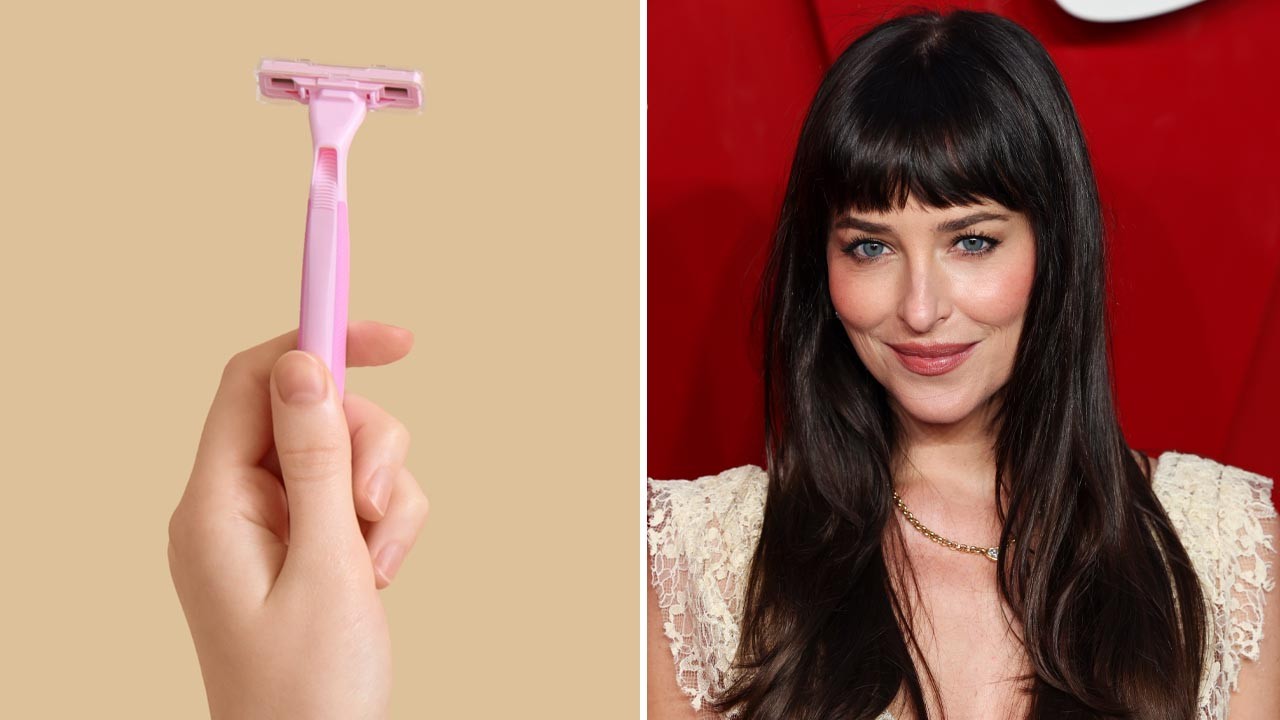
Dakota Johnson’s Preparation for Fifty Shades of Grey Sheds Light on Pubic Hair Removal: Is It Necessary?
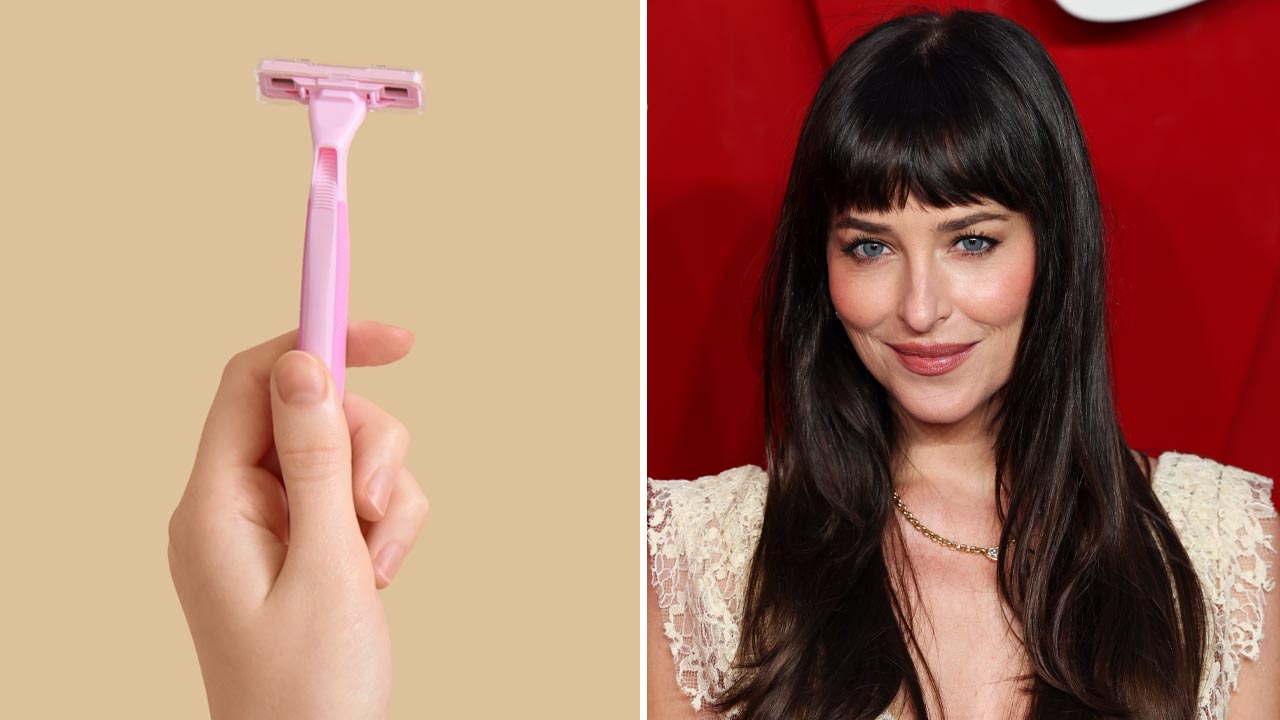
Dakota Johnson’s approach to preparing for her role as Anastasia Steele in the 2015 film Fifty Shades of Grey included a personal grooming decision that brought unexpected attention beyond the silver screen. In a candid conversation on First We Feast, Johnson revealed that she consciously chose not to wax her pubic hair while filming, diverging from current mainstream beauty trends for women in entertainment. “I grew my pubic hair. For Fifty Shades, the first one, I was full frontal, and she was supposed to have never had a wax,” Johnson shared, providing a rare glimpse into the behind-the-scenes details that shape both character authenticity and actor experience.
This revelation highlights a broader conversation about the real reasons behind pubic hair removal, longstanding cultural trends, and the health implications of grooming practices. With increasing public interest and evolving norms, many are questioning: Is pubic hair removal necessary for hygiene, or is it simply a matter of personal preference? This article explores the science, expert perspectives, and social factors that shape individual choices regarding pubic hair.
The History and Cultural Context of Pubic Hair Removal
Throughout history, attitudes toward pubic hair have shifted with cultural, religious, and societal influences. Ancient Egyptians practiced hair removal as a symbol of cleanliness and class, while in ancient Greece and Rome, grooming preferences varied among different social groups. In recent Western cultures, particularly from the 20th century onward, the trend has moved toward more extensive hair removal for women, often driven by beauty standards represented in media, fashion, and celebrity culture.
In the past few decades, Brazilian waxing and other hair removal methods have become highly popular in some countries, influencing perceptions of what is considered “clean” or “attractive.” However, these standards are not universal—many societies maintain a natural approach, and attitudes continue to evolve with changing perspectives on body autonomy, self-expression, and acceptance.
Understanding the Science: Is Pubic Hair Removal Required for Hygiene?
One of the most common misconceptions is that pubic hair removal is necessary for proper hygiene. In reality, medical and health organizations emphasize that pubic hair serves natural functions and its removal is not essential for health.
Pubic hair acts as a physical barrier, helping to reduce friction during movement and providing some protection against bacterial infections and other potential irritants. While pubic hair does not prevent sexually transmitted infections, it offers a level of defense for the sensitive skin in the genital region.
According to experts from organizations like the Mayo Clinic and the American Academy of Dermatology, routine washing with mild soap and water is sufficient to keep the external genital area clean. Hair removal is a personal aesthetic choice rather than a medical requirement.
Skin Health: Effects of Stopping or Continuing Hair Removal
Many people who regularly shave or wax experience irritation and other side effects. Shaving, especially with dull blades or inadequate lubrication, can cause razor burn, redness, itching, and bumps, particularly in the sensitive bikini area. Waxing and other methods may also result in similar skin reactions.
Ingrown hairs are another frequent concern. These develop when hair curls back or grows sideways under the skin following removal, leading to painful, itchy, or inflamed bumps. Allowing pubic hair to grow naturally can minimize some of these problems by reducing friction and avoiding repeated irritation from shaving or waxing.
Nevertheless, it’s important to understand that ingrown hairs can occur for various reasons and may not be completely eliminated by stopping hair removal. Individual skin types, hair textures, and grooming methods all play a role.
Skin Discoloration: Is There a Link to Hair Removal?
For some, frequent shaving or waxing can contribute to post-inflammatory hyperpigmentation—a condition where patches of skin become darker after repeated irritation or minor injuries. This is especially common among people with medium to darker skin tones. While reducing hair removal may limit one trigger of discoloration, it does not guarantee reversal of existing pigmentation changes.
It is also important to recognize that variations in skin color around the genital region are normal and do not automatically indicate underlying health issues. Dermatologists recommend seeking medical advice if discoloration is accompanied by other symptoms such as pain, swelling, or unusual growths.
The Comfort Factor in Grooming Decisions
Many choose their grooming routines based on comfort. Shaved or closely trimmed hair can result in prickly regrowth, causing itching or discomfort as short hairs rub against clothing. For some, avoiding hair removal altogether is more comfortable and eliminates the cycle of irritation and regrowth.
Conversely, others may find that removing hair improves their comfort, especially in warm climates or for certain sports and activities. There is no universal rule—individual preferences and physical responses guide these decisions.
Does Pubic Hair Influence Body Odor or Cleanliness?
It is a myth that pubic hair inherently causes odor or lack of cleanliness. Body odor primarily results from the interaction between sweat and bacteria on the skin, and is not determined by the presence or absence of hair. Pubic hair is not “dirty” by default, and maintaining normal hygiene through regular bathing suffices.
Health experts agree that changes in genital odor, such as sudden or unpleasant smells accompanied by symptoms like itching, pain, or discharge, warrant attention and possibly a medical consultation. Hair removal, in itself, does not substitute for proper hygiene habits.
Dermatologist and Health Expert Opinions
Dermatologists and gynecologists emphasize that there is no “right” or “wrong” way to groom pubic hair. The decision is deeply personal, shaped by cultural norms, personal taste, health considerations, and, as in Dakota Johnson’s case, professional requirements.
Dr. Susan Bard, a board-certified dermatologist, explains: “While there is no medical need to remove pubic hair, some choose to do so for aesthetic or cultural reasons. It’s important to follow safe practices, such as using clean tools and avoiding harsh products, to minimize risks of infection and irritation.”
Likewise, Dr. Elizabeth Eden, an OB-GYN, advises, “Listen to your body. If shaving or waxing causes discomfort, consider going natural or finding alternatives that work for you. The most important aspect is your health and comfort, not conforming to social expectations.”
Dakota Johnson’s Influence on the Conversation
Dakota Johnson’s choice, made for professional authenticity, has unintentionally contributed to a public dialogue about body image and bodily autonomy. By discussing her experience openly, she encourages others to reflect on why they make certain grooming decisions and to prioritize their own comfort and preferences.
Her decision also demonstrates how film and media can influence broader trends and challenge entrenched expectations—reminding audiences that not every choice in grooming or appearance must align with mainstream portrayal.
Societal Perceptions and the Future of Grooming Norms
Societal perceptions around pubic hair continue to shift, especially as discussions of body positivity and self-acceptance become more mainstream. Recent years have seen celebrities, athletes, and influencers speaking candidly about their choices, helping to normalize the idea that grooming is a matter of individual autonomy.
In many parts of the world, the resurgence of the “natural” look reflects a broader acceptance of body diversity and rejection of unrealistic standards. Health organizations and experts consistently advocate for informed, safe, and personal choices rather than adherence to any one style.
Key Takeaways: Pubic Hair Grooming Is a Personal Decision
Dakota Johnson’s experience during the filming of Fifty Shades of Grey serves as a starting point for a broader understanding of pubic hair grooming. Science, health guidance, and social values all underscore that pubic hair removal is not required for hygiene or health. Instead, grooming decisions should be guided by personal comfort, informed choices, and individual health needs.
Whether one chooses to remove, trim, or leave pubic hair natural, the most important factor remains personal well-being. Public dialogue, medical advice, and changing cultural trends all support the notion that there is no single “correct” way to approach grooming—what matters is respecting your body and your preferences.
Sources
- BBC
- Reuters
- Mayo Clinic
- American Academy of Dermatology
- Centers for Disease Control and Prevention (CDC)
- The Guardian
Disclaimer: This content is intended for entertainment purposes only and is not based on real events.