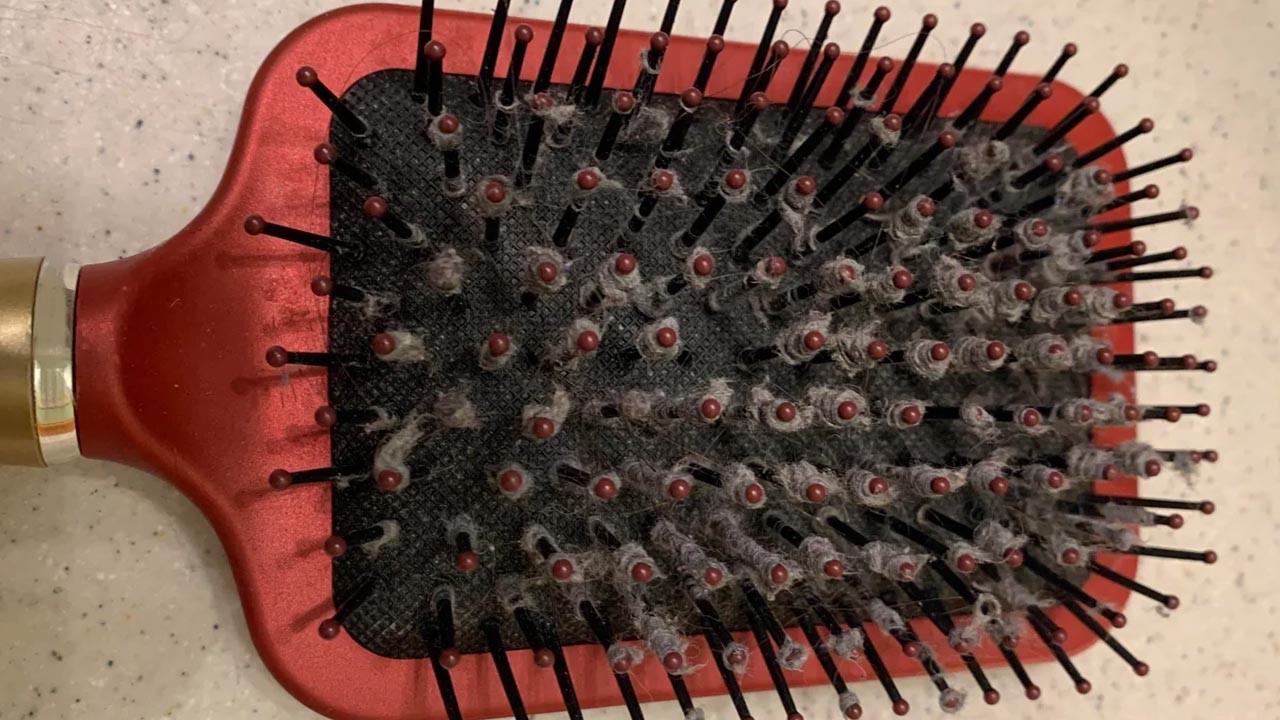
The Truth About the Gray Fuzz in Your Hairbrush
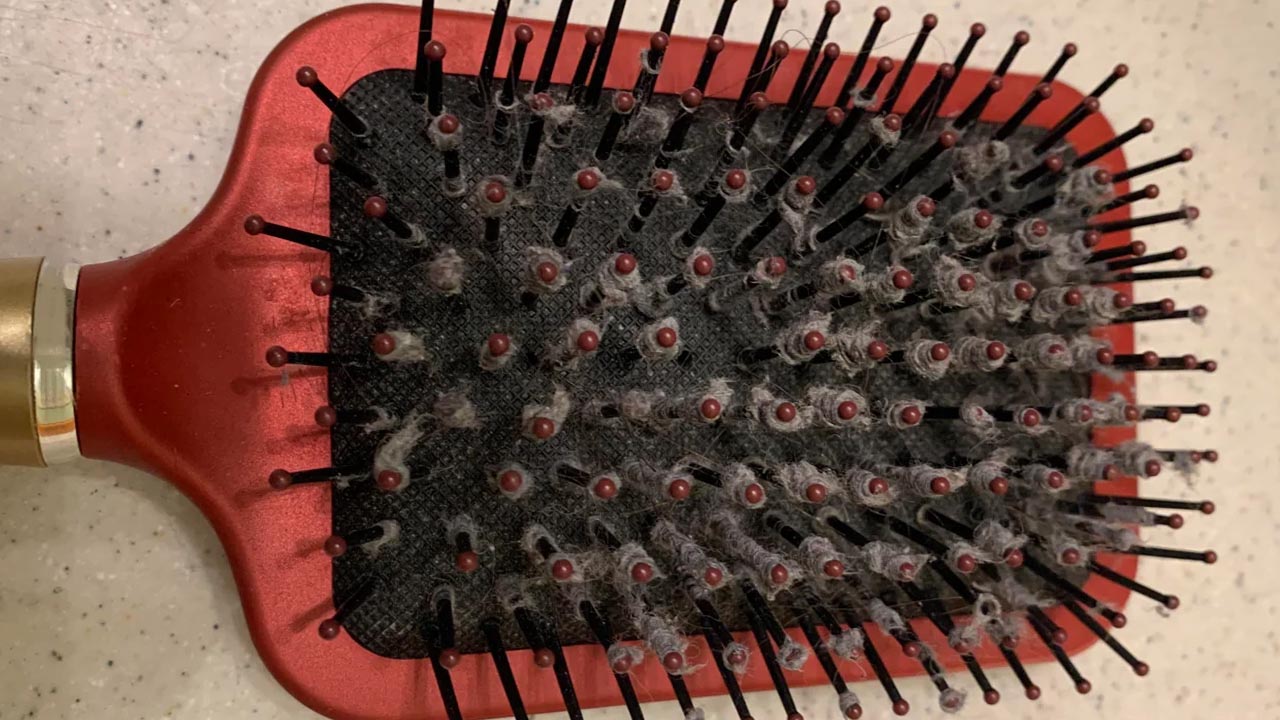
Have you ever glanced at your hairbrush and wondered about the mysterious gray fuzz that seems to accumulate between the bristles? Many people are quick to assume it’s harmless dust or generic lint. However, the actual composition is far more complex and can even be a cause for concern regarding scalp health and hair hygiene. In this in-depth article, we explore what this fuzz is made of, how it forms, what risks it may carry, and best practices for maintaining a clean hairbrush according to the latest expert and scientific recommendations.
Understanding the Composition of Hairbrush Fuzz
The grayish fuzz that builds up on your hairbrush is a mix of several organic and inorganic materials. According to celebrity hairstylist Dean Banowetz, as cited in interviews and health publications, the accumulation is a blend mainly of:
- Shed hair strands: Natural hair loss is a daily occurrence. The American Academy of Dermatology notes that an individual typically sheds between 50 to 100 hairs per day.
- Dead skin cells: Your scalp, just like the rest of your skin, constantly renews itself. Microscopic flakes combine with hair strands on the brush.
- Scalp oils (sebum): Oils secreted by sebaceous glands help keep your hair and scalp moisturized but also contribute to residue.
- Dust and environmental particles: Outdoor pollutants, household dust, and microscopic debris in the air all cling to moist or oily surfaces and settle on brushes.
- Residual haircare products: Leftover bits of gels, mousses, pomades, dry shampoos, sprays, and leave-in conditioners adhere to both your hair and the brush, creating a sticky base that binds the other debris.
Dermatologist Dr. Anna Chacon explains that every time you use a hairbrush, not only do you shed some hair, but also microscopic particles of dead skin, all of which get trapped among the bristles. Over time, repeated use and application of styling products allow this mixture to solidify and become visible as gray fuzz.
How Quickly Does Build-Up Occur?
Contrary to what some may believe, the accumulation of fuzz happens rapidly, especially with frequent brushing and regular use of hair products. Experts, including Dean Banowetz, report that noticeable buildup can occur in as little as a week to ten days. Factors such as product type and usage frequency, hair type, and environmental conditions can accelerate or slow this process. For example, those who use multiple styling products daily or have oilier scalps may find that their hairbrush collects gray residue more quickly.
Health Implications of a Dirty Hairbrush
While the fuzz itself may appear relatively innocuous, allowing it to remain on your hairbrush can pose several health risks. Studies and dermatologist observations highlight that dirty brushes frequently become breeding grounds for various bacteria and yeast. The presence of old hair, skin, oils, and product residue provides nutrients and moisture, creating an ideal environment for microbes. Here are some potential health effects of neglecting hairbrush hygiene:
- Scalp irritation: Bacteria and yeast can contribute to inflammation, leading to itching, redness, or even flaking of the scalp.
- Breakouts: Residual oils and microbes from a dirty brush may aggravate acne, especially along the hairline or scalp.
- Tangling and hair breakage: Built-up residue increases friction between hair strands, causing hair to snag and break more easily during brushing.
- Redistribution of dirt: Each time a dirty brush is used, it can transfer microorganisms and old product back onto clean hair and scalp surfaces, perpetuating the cycle of contamination.
Some cases have been linked to folliculitis—a mild infection of the hair follicles—particularly in individuals with sensitive skin or pre-existing scalp conditions. Maintaining proper hygiene with your hairbrush minimizes these health risks.
Expert Recommendations: How Often Should You Clean Your Hairbrush?
Cleaning frequency depends largely on personal habits and haircare routines. Leading dermatologists and hair professionals universally recommend regular cleaning, especially for those who use styling products or have oily hair:
- Daily use & regular styling products: Clean your hairbrush at least once a week to minimize buildup.
- Infrequent use & minimal products: Bi-weekly to every three weeks may suffice, but always inspect for visible residue.
Dr. Anna Chacon advises, “Anytime you see any buildup, it’s time to address it and give it a cleaning.” This practical approach ensures that regardless of your routine, you’re maintaining optimal scalp and hair hygiene.
Step-by-Step Guide: How to Properly Clean Your Hairbrush
Proper cleaning not only preserves the longevity of your brush but also protects your scalp from potential irritation or infection. The most recommended cleaning method by both dermatologists and professional stylists includes the following steps:
- Remove loose hair: Use your fingers, a comb, or even a pair of scissors to gently pull out all visible hair from the bristles.
- Soak the brush: Fill a bowl or sink with warm water and add a small amount of gentle shampoo and a pinch of baking soda. The combination helps dissolve oils and product residues.
- Allow to soak: Let the brush sit submerged for around 10 minutes.
- Scrub the bristles: Use an old toothbrush, gentle nail brush, or your fingers to scrub between bristles and along the base. Pay extra attention to corners where gunk tends to accumulate.
- Rinse thoroughly: Run the brush under warm water to wash away soap, dirt, and residue.
- Dry completely: Place the brush bristle-side down on a clean towel to air dry. Ensure it is completely dry before storing or using to avoid mold growth.
For brushes made of natural materials (such as boar bristle or wooden handles), use minimal water on the handle to prevent warping or cracking. Avoid soaking entirely if the manufacturer advises against it—spot clean these types instead.
International Perspectives on Hairbrush Hygiene
Hair and scalp hygiene is emphasized globally in both personal care and professional salons. Across Europe, North America, and in many Asian countries, regular cleaning of personal grooming tools is a key practice taught from an early age. Salons in countries such as the United States and United Kingdom are often regulated by health authorities to disinfect brushes and combs between clients, minimizing the transmission of infectious agents.
The World Health Organization (WHO) and Centers for Disease Control and Prevention (CDC) commonly include advice about personal item hygiene in public health recommendations, especially during outbreaks of skin or scalp infections.
Cultural traditions also influence hairbrush use—some people prefer natural-bristle brushes and emphasize more frequent cleaning, while others may use disposable combs. Regardless of the method, the principle remains universally recognized: a clean hairbrush contributes to overall cleanliness, scalp comfort, and hair health.
Expert Opinions: Why Hairbrush Hygiene Matters
Dermatologists, trichologists (hair scientists), and professional stylists agree that cleaning your hairbrush is an essential part of personal grooming. According to the American Academy of Dermatology, regular removal of hairbrush buildup can:
- Reduce irritation and risk of infection
- Improve the effectiveness of hair products, as residue-free brushes distribute products more evenly
- Extend the lifespan of your brush, especially for high-quality or professional-grade tools
- Promote overall hair health, minimizing split ends, tangling, and breakage
Neglecting to clean your hairbrush is akin to using dirty towels or unwashed pillowcases—it may not seem urgent, but over time it undermines the benefits of your overall haircare routine.
What About Other Hair Tools?
While this article focuses on hairbrushes, similar principles apply to combs, styling tools, and even hair accessories like clips or hair ties. Each item that comes into contact with your hair and scalp can harbor the same blend of oils, products, and microbes. Be sure to regularly clean all your hair tools for comprehensive hygiene.
Conclusion: Maintaining Healthy Hair Starts with a Clean Brush
The gray fuzz in your hairbrush is more than just an unsightly nuisance; it is evidence of the natural shedding process of your hair and scalp, compounded by everyday dust, oils, and products. Regular cleaning is a simple routine that safeguards both your hair and scalp cells from irritation, infection, and product buildup. By following professional and scientific advice, you can ensure your grooming tools remain not only effective but also hygienic and safe.
Always remember: a clean hairbrush is the foundation of effective haircare. Regular maintenance—just a few minutes a week—can make a lasting difference in hair health and comfort.
Further Reading
- Oncologist who cut open people for 17 years saw the same foods in 80% of colon cancer patients
- Doctors warn a smelly belly button may signal a bigger problem – symptoms everyone should know
Sources
- American Academy of Dermatology
- Centers for Disease Control and Prevention (CDC)
- World Health Organization (WHO)
- BBC
- The Guardian
- Reader’s Digest
- Mayo Clinic
Disclaimer: This content is intended for entertainment purposes only and is not based on real events.