If You Should Remove the “Vein” from Shrimp
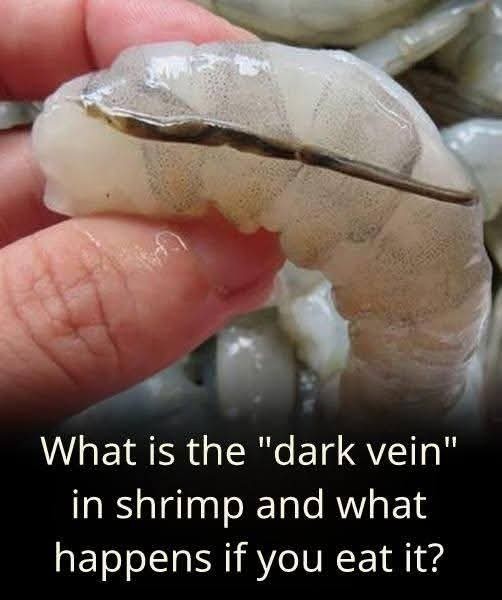
If you have ever prepared shrimp at home or dined at a seafood restaurant, you might have noticed a thin, dark line running along the back of the shrimp’s body. Commonly referred to as the “shrimp vein,” this term is a bit of a misnomer. In fact, this line is not a blood vessel but rather the shrimp’s digestive tract, sometimes called the “sand vein.” While its appearance is harmless, many cooks remove it for reasons related to texture, taste, and presentation. Understanding what the shrimp vein actually is, and whether it needs to be removed, can help home cooks and seafood enthusiasts make informed decisions in the kitchen.
What Is the “Vein” in Shrimp?
The dark or sometimes greenish line found on the dorsal (back) side of the shrimp is the animal’s digestive tract. It runs from the shrimp’s head to tail and typically contains partly digested food and other waste products. Its color and visibility can vary based on the shrimp’s diet and species. In smaller shrimp, the tract may be hardly visible and contain very little, while in larger shrimp it can appear quite prominent, gritty, or sandy.
Shrimp do not have “veins” in the same sense as vertebrate animals. Their circulatory system is more basic, and what people often call the vein is in reality a simple tube functioning as the digestive tract. The reason for its misleading name likely lies in its long, thread-like appearance that superficially resembles a blood vessel.
Is the Shrimp Vein Safe to Eat?
From a food safety perspective, the shrimp vein is generally not harmful. According to food safety experts, as long as the shrimp is fresh and properly cooked, consuming the digestive tract does not typically present any significant health risk. The digestive system of a shrimp can contain residue from its natural diet, including microscopic organisms, which are rendered harmless through cooking.
However, it is worth noting that in rare cases, if the shrimp has been harvested from waters contaminated by pollutants or bacteria, any material in the digestive tract could potentially carry some level of risk. That said, proper sourcing from reputable suppliers and adequate cooking significantly minimize any concerns, according to the U.S. Food and Drug Administration (FDA).
Why Do People Devein Shrimp?
The practice of “deveining” shrimp is less about safety and more about quality, flavor, and aesthetics. The digestive tract can harbor grit, sand, or remnants of what the shrimp last ate, all of which can impart an unpleasant texture or muddy taste, especially in larger shrimp. When cooked whole, the vein can sometimes become tough or gritty. Removing it can improve the final dish, ensuring a more appealing mouthfeel and a cleaner appearance.
Most restaurants and supermarkets sell shrimp already peeled and deveined, especially when intended for dishes where presentation is important, such as shrimp cocktail, grilled shrimp skewers, or elegant pasta recipes.
How to Devein Shrimp
Deveining shrimp at home is a straightforward process. Using a small sharp knife or a specialized shrimp deveining tool, make a shallow incision along the shrimp’s back, exposing the digestive tract. Then, use the tip of the knife or a toothpick to gently lift and remove the tract. After rinsing the shrimp briefly under cold water, it’s ready to be cooked.
Some shrimp, especially those used in stir-fries or deep-fried dishes, can be cooked unpeeled and with the vein left in, particularly when the shrimp are very small or intended to be chopped. For recipes where the shrimp are the centerpiece and their appearance matters, such as in sushi, ceviche, or as grilled whole shrimp, deveining is almost always performed.
Culinary Perspectives: International Approaches
The decision to devein shrimp often varies internationally and depends on regional food customs and the size of the shrimp. In Japan, for example, raw shrimp in sushi is almost always meticulously cleaned and deveined, both for food safety and visual appeal. In Mediterranean and Southeast Asian cuisine, small shrimp are sometimes left unpeeled and the digestive tract intact when cooked in hearty stews or curries, as the shell can enhance flavor and the vein is scarcely noticeable.
In France, shrimp are often served whole, with the shell and digestive tract intact, especially in rustic dishes. The philosophy is to enjoy the full flavor imparted by the shells and head juices. Conversely, in North America and many Western recipes, focus on presentation and texture has made deveining standard practice for larger shrimp.
Expert Opinions on Shrimp Deveining
According to culinary experts and nutritionists, whether or not to remove the shrimp’s digestive tract depends largely on the cook’s preference and the intended dish. Julia Child famously advocated for deveining large shrimp, suggesting that it makes for a more refined dining experience. Many seafood chefs note that for shrimp under 26/30 size (meaning 26-30 shrimp per pound), deveining may be unnecessary because the tract is so small and barely noticeable.
Food writer Harold McGee, author of “On Food and Cooking,” highlights that the decision is subjective. The vein is an aesthetic and textural concern, not a matter of food safety in most circumstances. Seafood safety experts from the U.S. FDA and USDA Food Safety and Inspection Service echo that properly cooked shrimp are safe to eat, with or without deveining.
Nutritional Value and Shrimp Consumption Trends
Shrimp is a low-calorie, high-protein seafood rich in essential nutrients like selenium, choline, vitamin B12, and omega-3 fatty acids. Removing the vein does not impact the nutritional content of shrimp. Popular in diets worldwide, shrimp’s versatility makes it a staple in everything from appetizers and salads to curries and grilled main courses.
Global consumption of shrimp has risen steadily in recent decades, driven by growing demand for protein-rich foods and improvements in aquaculture. As more people prepare shrimp dishes at home, understanding basic preparation steps, such as deveining, has become more relevant.
Should You Always Devein Shrimp?
The answer depends on your preferences and the context of your meal. For high-end dishes or when serving guests, removing the vein produces a neater, more appealing presentation. It also improves texture for larger shrimp. For everyday meals or recipes involving small shrimp, such as sautéed rice, shrimp dumplings, or deep-fried popcorn shrimp, the vein may go unnoticed and can be left in without major consequences.
The decision can also be shaped by sustainability concerns. Using peeled and deveined shrimp creates waste, whereas using whole shrimp or shells in stocks and broths adds rich, umami-laden flavors.
Summary: Making an Informed Choice
In summary, the “shrimp vein” is not anatomically a vein, but the digestive tract of the animal. It is generally safe to eat provided the shrimp is properly sourced and cooked. Removing the tract — “deveining” — is mostly a matter of taste, texture, and presentation, most relevant with larger shrimp or when aesthetics are a priority. International culinary traditions vary, with some valuing the full flavor provided by the shells and heads, while others prefer shrimp that is cleaned for visual and textural purity.
For home cooks, developing confidence in handling and cleaning shrimp ensures greater versatility in the kitchen. By understanding what the so-called shrimp vein really is and how it affects your culinary results, you can choose your preferred preparation method with confidence and serve shrimp dishes with greater expertise.

Sources
Disclaimer: This content is intended for entertainment purposes only and is not based on real events.