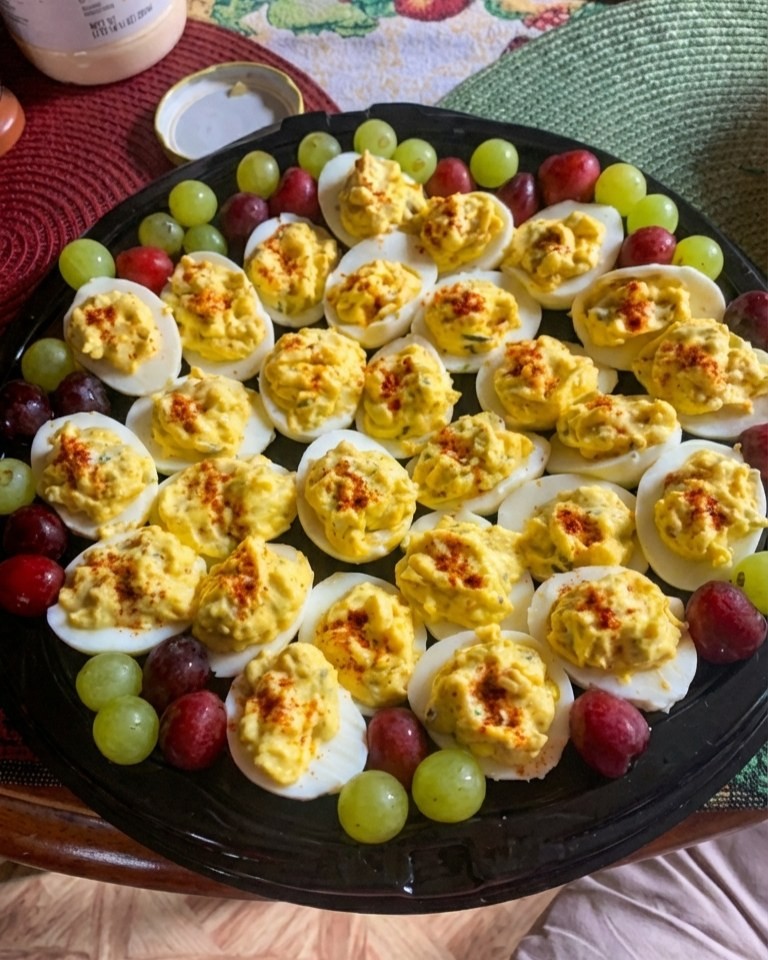
The Secret to Irresistible Deviled Eggs: What You Hide Inside
Deviled eggs are an iconic appetizer, beloved at gatherings ranging from family picnics to elegant holiday celebrations. While eggs form the foundation, the true secret to unforgettable deviled eggs lies in the nuances—how they are cooked, the flavors hidden within the filling, and the creative touches that elevate them from ordinary to irresistible. This article explores both the science and artistry behind deviled eggs, offering expert techniques, global variations, and tips for ensuring your eggs are always the highlight of the table.
The Historical Evolution of Deviled Eggs
Deviled eggs have a long history, with roots tracing back to ancient Rome, where boiled eggs were seasoned with spicy sauces. Over time, the dish evolved in Europe, especially within France and Spain, before becoming a staple in American cuisine. The term “deviled” refers to the addition of bold, spicy seasonings—a tradition continued today.
By the 19th century, deviled eggs were featured in American cookbooks, reflecting both social and culinary trends. Their popularity endures because these small bites are easy to prepare, endlessly adaptable, and always crowd-pleasing.
The Science of Cooking Perfect Eggs
The key to successful deviled eggs begins with perfectly cooked eggs. Overcooking leads to tough whites and greyish yolks, which not only affects appearance but also texture and flavor. Experts recommend a gentle simmer followed by off-heat resting. This method ensures that yolks remain bright and tender, while whites stay smooth and pliable for filling.
Immediately transferring the eggs to an ice bath halts the cooking process, making peeling easier and preserving the integrity of the egg whites. Clean, unblemished whites provide the best base for the savory filling.
Preparing the Filling: Emphasis on Contrast and Texture
The anatomy of deviled egg filling is simple: mashed yolks enriched with creamy elements and just enough tang and spice. When mashing the yolks, patience is essential. Using a fork and taking time creates a fluffy texture, primed for blending with mayonnaise, Dijon mustard, and a splash of vinegar.
Mayonnaise adds richness, mustard contributes a subtle heat and complexity, and vinegar provides acidity to balance the creaminess. The mixture should be satin-smooth, glossy, and luxurious. Taste as you go—the filling can be transformed with salt, freshly ground pepper, or nuanced spices like garlic powder, smoked paprika, or even cayenne.
Flavor Enhancements and Garnishes: Elevating the Classic
What sets memorable deviled eggs apart is the interplay of flavors and textures. Classic garnishes include paprika and fresh chives. Paprika not only offers color but also imparts warmth and gentle smokiness. Chives and parsley brighten the palate and lend visual appeal; a dash of hot sauce or sriracha introduces quiet heat without overwhelming the other components.
For a modern twist, some chefs incorporate avocado, bacon, or even pickled vegetables into the filling. International influences are also increasingly common—curried deviled eggs from India, wasabi or miso-infused eggs from Japan, and Mediterranean options featuring harissa or za’atar.
Expert Tips for Achieving Irresistible Deviled Eggs
Leading culinary professionals emphasize several tips for deviled eggs:
- Gentle cooking: Avoid rapid boiling, which can cause rubbery whites.
- Ice bath: Essential for easy peeling and preserving texture.
- Mash thoroughly: Ensures the yolks absorb flavors for a creamy, cohesive filling.
- Pipe high: Use a piping bag or spoon to generously mound the filling, maximizing every bite.
- Balance flavors: Adjust salt, vinegar, and spice to achieve a harmonious finish.
- Chill before serving: Allowing eggs to rest intensifies flavors and firmness.
Chef Julia Child famously said, “The most important ingredient is patience.” Taking time with each step creates a product worthy of any occasion.
Health and Nutrition: Eggs as a Nutritious Choice
Deviled eggs are not only delicious; they are also nutritious. Eggs are an excellent source of high-quality protein, vitamins such as B12 and D, and minerals including selenium and choline. Mayo Clinic notes that moderate consumption of eggs supports brain health, muscle maintenance, and overall wellness.
Using olive oil-based mayonnaise, Greek yogurt, or avocado can reduce saturated fat content while maintaining creamy texture. For those with dietary restrictions, vegan alternatives and spice blends allow for customization without sacrificing flavor.
Global Perspectives and Variations
Deviled eggs are a canvas for culinary creativity worldwide. In Spain, “huevos rellenos” often feature tuna and piquillo peppers. In the U.K., recipes sometimes include pickles or curry powder. Americans favor classic preparations, but regional variations abound—Southern recipes add relish, while West Coast versions incorporate smoked salmon or microgreens.
Food historians note the global exchange of techniques and flavors, as deviled eggs adapt to local ingredients and preferences. International chefs inspire experimentation and the sharing of ideas through social media and food festivals.

Societal Significance: Deviled Eggs at Gatherings
Deviled eggs embody comfort, nostalgia, and hospitality. Their appearance on festive tables signals a welcoming gesture, bridging generations and cultures. Studies examining food at social events find that bite-sized, approachable dishes encourage conversation and inclusivity, making deviled eggs a perennial favorite.
Food stylists recommend arranging eggs attractively on trays with fresh herbs and edible flowers for visual impact. The dish’s versatility means it adapts to formal banquets and casual picnics alike.
Common Pitfalls and How to Avoid Them
Even experienced cooks can stumble when preparing deviled eggs. Overcooking, underseasoning, or uneven filling distribution are frequent challenges. Experts recommend testing eggs for doneness, adjusting seasoning gradually, and using uniform piping techniques to ensure each egg is as appealing as the last.
Storing eggs in a cool environment and covering them tightly preserves freshness, especially when preparing ahead for events. Proper food safety practices—like refrigerating promptly and avoiding cross-contamination—are always important.
Conclusion: The Enduring Appeal of Deviled Eggs
Deviled eggs continue to grace tables around the world because of their balance of simplicity and sophistication. With careful attention to cooking technique, innovative fillings, and creative garnishes, they offer endless opportunities for personalization. Whether enjoyed as part of a family tradition or explored through international flavors, deviled eggs remain a symbol of culinary ingenuity and shared enjoyment.
To master deviled eggs, remember: it’s not just about the eggs, but what you hide inside—flavors and textures that surprise and delight. Serve them chilled, watch the conversation pause, and see the plate disappear.

Sources
Disclaimer: This content is intended for entertainment purposes only and is not based on real events.