How to Clean a Fan Thoroughly: Step-by-Step Guide for a Healthier Home
Understanding Why Fan Cleaning Matters
Fans are essential appliances in homes and workplaces, providing air circulation, cooling, and improved comfort. However, as fans operate, they can accumulate dust and other airborne particles on various parts, including blades, grilles, motor housing, base, and controls. This gradual buildup can lead to poor indoor air quality, reduced fan efficiency, and potential health risks for those sensitive to dust.
Dust particles not only make a room feel less clean, but the motion of spinning blades can return these particles to the air, impacting breathing and increasing the need for other cleaning. Regular fan maintenance is a crucial component of a healthy living environment, especially in households with pets or high dust levels.
Preparation and Safety Before Cleaning Your Fan
Before beginning any cleaning process, it is essential to prioritize safety. Always switch the fan off and unplug it from the electrical outlet to prevent accidental electric shock. If the motor has been running, allow it to cool fully, as cleaning a warm motor can be hazardous.
Consider moving the fan to an area that is easy to clean, such as a kitchen or outside on a porch, or place a towel beneath the unit to catch falling dust. Never attempt to clean a fan while it remains connected to power. These precautions help ensure a safe and efficient cleaning session without the risk of spreading dust around the room or causing injury.
Step-by-Step Guide to Cleaning a Fan Using Household Tools
1. Using a Vacuum Cleaner with Soft Brush Attachment
The first and most effective way to remove surface dust is by using a vacuum cleaner equipped with a soft brush attachment. Gently and thoroughly clean the front and rear grilles, paying special attention to corners, edges, and places where dust is most likely to gather.
Keeping the vacuum nozzle close to the fan prevents loosened dust from entering the room. This tool is especially useful for fans with intricate grille designs, which are common in modern pedestal and tabletop models. Some experts recommend this method as it helps improve air quality by directly capturing dust, minimizing recirculation.
2. Tackling Stubborn Dust with Brushes
For stubborn or compacted dust that cannot be lifted with the vacuum alone, a soft paintbrush or specialty cleaning brush can be employed. Hold the vacuum nozzle near the spot while gently working the brush to loosen dirt. This brush-and-vacuum process immediately collects the disturbed dust, making the cleaning operation much more hygienic than just brushing debris into the air.
This method is recommended by cleaning professionals and is frequently cited in authoritative household maintenance guides, which emphasize the importance of minimizing airborne dust for people with allergies or respiratory sensitivities.
3. Cleaning Fan Blades Safely
If the fan’s blades are accessible through the grille, use a dry microfiber cloth to wipe them down. With the fan unplugged, carefully rotate the blades by hand if allowed by the fan’s design. Be sure not to force your fingers or tools into tight openings or bend the grille, as this can result in damage to the appliance or personal injury.
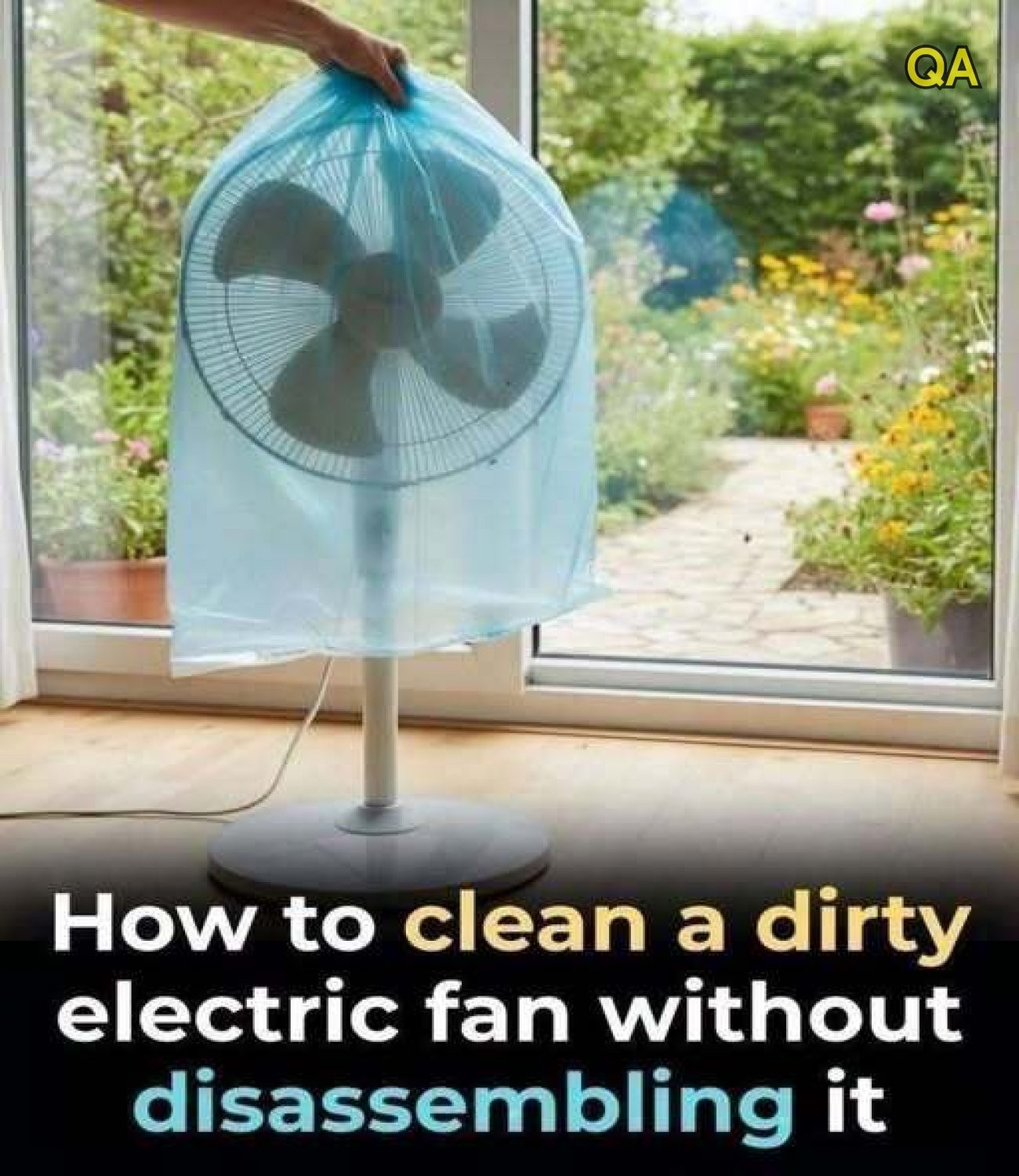
For even more controlled cleaning, some homeowners use a pillowcase. Slip it gently over an individual blade and wipe within the fabric. This technique is beneficial because it traps dust within the pillowcase, preventing it from spreading elsewhere. Again, always confirm the fan is completely unplugged, and avoid exerting excessive pressure which could misalign or damage the blades.
4. Wiping Down Grille, Base, Stand, Controls, and Cord
Once the main dust has been removed, lightly wipe the exterior parts of the fan—the grille, base, stand, controls, cord, and motor housing—using a dry or slightly damp microfiber cloth. Microfiber is ideal because it attracts and holds dust without releasing particles back into the air.
Never spray liquid directly onto the fan, as moisture entering the motor or electrical components poses serious risks, including short circuits, malfunction, and fire hazards. Instead, apply the cleaning solution to the cloth if needed and maintain caution around electrical sections. Allow all parts to dry completely before plugging the appliance back in and operating it.
Advanced Techniques and Challenges in Fan Cleaning
Some fan models, especially high-end or industrial units, may require partial disassembly to clean effectively. Refer to manufacturer instructions for guidance on removing grilles or blades safely. Typically, this involves unscrewing or unlatching the grille, then cleaning the blades and interior parts directly.
When deep-cleaning, avoid using harsh chemicals or abrasive materials, as these can damage finishes, cause wear, and increase the risk of breakdowns. Mild detergent and water on a cloth work well for most surfaces, but always follow the instructions specific to your fan.
Frequency and Importance of Regular Maintenance
How often should a fan be cleaned? According to international health and home maintenance authorities, such as the U.S. Centers for Disease Control and Prevention (CDC) and the Mayo Clinic, cleaning every few weeks—or whenever visible dust appears—is ideal. Homes with pets, children, or high dust levels may need more frequent attention. Regular gentle maintenance ensures that fans remain efficient, extends appliance lifespan, and improves the overall air quality of your living space.
Seasonal cleaning, such as before summer or after the fan has been in storage, is especially beneficial. This helps eliminate dust, pollen, and other allergens, creating a safer environment, particularly for individuals who may suffer from respiratory allergies or asthma.
Health and Environmental Benefits of a Clean Fan
Keeping your fan clean not only keeps your room visually pleasant but also reduces allergens, pet dander, and dust mite activity. The World Health Organization (WHO) recommends maintaining air circulation appliances to promote clean indoor air, which is linked to better overall health. Improved airflow from a clean fan can make cooling and heating processes more efficient, saving energy and reducing utility costs.
Internationally, studies have shown that poor indoor air quality contributes to a range of health issues, from mild respiratory discomfort to severe allergies and asthma symptoms. By regularly cleaning your fan, you proactively protect household members and guests, making the environment fresher and more comfortable for all.
Expert Opinions and Recommendations
Cleaning experts, air quality specialists, and appliance manufacturers universally recommend gentle, frequent cleaning methods for fans. According to reports from the CDC and guidance from consumer agencies such as Consumer Reports and Good Housekeeping, maintaining appliances that circulate air is critical for general hygiene and health.
Specialists emphasize the importance of avoiding water or cleaning fluids on electrical components and using microfiber cloths for dust removal. Home improvement guides also suggest storing fans in clean, dry areas when not in use, and performing deep cleaning before and after extended periods of operation.
Global and Societal Reactions to Air Quality Concerns
In recent years, increased awareness of air quality has led to the development of improved standards for appliance cleanliness. Many societies and international agencies now highlight cleaning routines for fans and air filters as foundational household practices. Innovations in fan design, such as bladeless models, are partly responses to the demand for easier and more hygienic maintenance.
Awareness campaigns by organizations like WHO, CDC, and environmental groups encourage regular cleaning not only for fans, but also other air-moving appliances such as air conditioners and purifiers. These efforts contribute to reduced exposure to airborne contaminants and foster healthier indoor environments globally.
Key Takeaways for Effective Fan Cleaning
- Always unplug the fan and ensure the motor is cool before starting.
- Use a vacuum with a soft brush for grilles and hard-to-reach areas.
- Employ a microfiber cloth or pillowcase to trap and remove dust from blades.
- Never spray liquids directly onto the fan—apply to cloth only and be cautious around electrical parts.
- Perform regular cleaning for optimal performance and air quality benefits.
- Consider deep cleaning or partial disassembly as recommended by manufacturers.
- Adopt international best practices to keep your household safe and healthy.
Conclusion
Fan cleaning is a simple yet impactful practice that enhances both air quality and appliance efficiency. By following scientifically grounded and internationally recommended cleaning steps, you ensure a healthier home environment and prolong the useful life of your fan. Adopting a systematic, gentle cleaning routine benefits both your household and the wider environment, supporting standards of comfort and cleanliness demanded by modern society.
Sources
- Centers for Disease Control and Prevention (CDC)
- World Health Organization (WHO)
- Mayo Clinic
- BBC Science & Environment
- The Guardian Environment
Disclaimer: This content is intended for entertainment purposes only and is not based on real events.