Should You Really Worry About “Hidden Dangers” in Your Hotel Room? A Comprehensive Guide to Safety for Travelers
Introduction: Separating Myth from Reality in Hotel Room Safety
Hotel stays are a common feature of travel, whether for business or leisure. After a long journey, guests typically focus on comfort and rest. In recent years, however, social media and viral internet posts have sounded the alarm over supposed “hidden dangers” lurking in hotel rooms—ranging from surveillance devices to unsanitary conditions—leading many to question their safety. This analytical guide examines these claims, highlighting what travelers genuinely need to look out for and offers practical, science-based advice for ensuring your own security and peace of mind.
The Origin of Hotel Safety Concerns
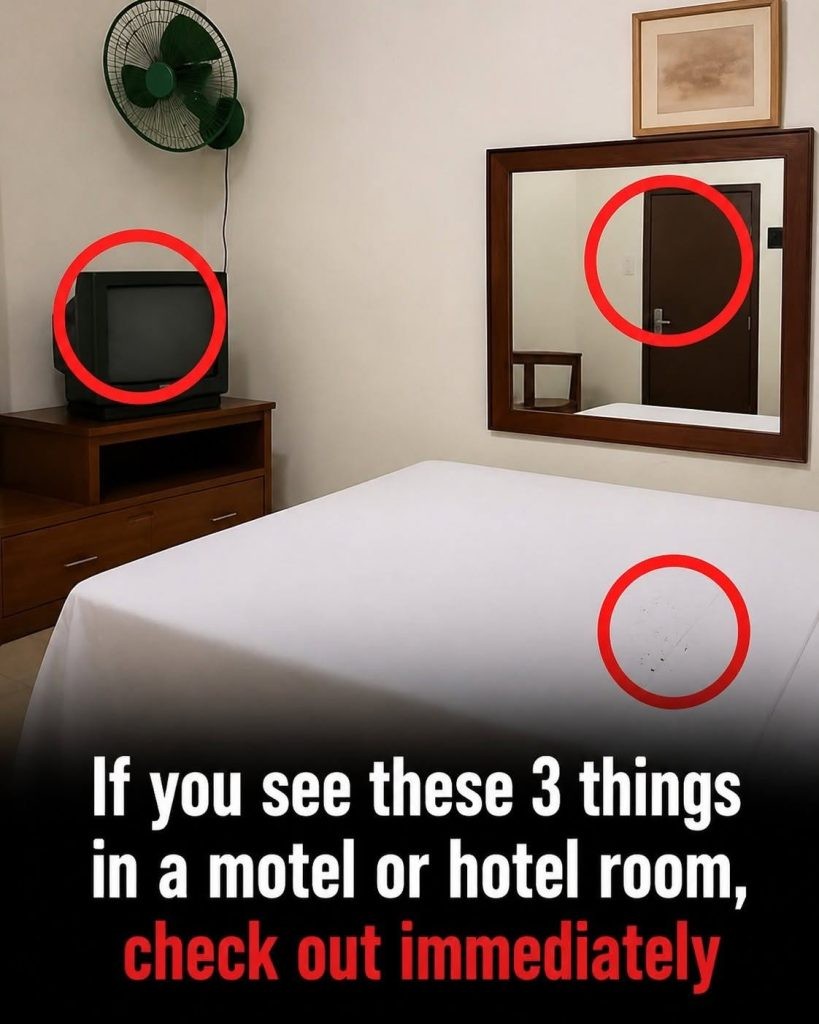
The internet regularly circulates checklists urging guests to inspect everything upon entering a hotel room—from televisions and mirrors to bedsheets—for evidence of hidden cameras, two-way glass, or pests. Warnings often reference “three highlighted objects”: the television set, the mirror, and any mark found on bedding. While vigilance is important, experts emphasize that not every unfamiliar object is sinister. It’s vital to distinguish between genuine indicators of trouble and ordinary, harmless room features.
Assessing Electronics: Televisions, Cameras, and Devices
Modern hotel rooms are filled with electronic devices—televisions, alarm clocks, thermostats, digital assistants, even smart lighting systems. Many of these contain visible sensors, microphones, or cameras as part of their normal function, particularly in newer hotels with smart facilities. However, rare incidents of hidden surveillance equipment have given rise to widespread concern.
How to Evaluate Electronics:
- Look for Out-of-Place or Unfamiliar Devices: Inspect devices pointed toward beds or bathrooms, especially those not clearly part of the room’s entertainment or communication system.
- Check for Suspicious Wiring: Wires that do not connect logically to an outlet or appliance, or unfamiliar cables leading into unusual areas, could warrant further attention.
- Examine Small Openings: Tiny holes or lenses—particularly if paired with blinking lights or wires—may be cause for concern.
If you observe a device that appears out of place, do not tamper with it. Instead, photograph it and promptly notify hotel management for clarification. Most hotels take guest security seriously and will respond transparently to reasonable queries.
Mirrors: Fact and Fiction About Two-Way Glass
Two-way mirrors have a legitimate use in security settings but are exceedingly rare in hospitality. A common myth—the “fingernail test,” in which you touch your nail to the mirror to check for space between your finger and the reflection—does not offer reliable results. Lighting, glass thickness, and mirror placement can all affect what you see.
Signs Worth Noting:
- Unusual gaps between the mirror and wall
- Visible wiring that seems to serve no clear purpose
- Openings or holes concealed in the mirror’s frame
- Suspiciously dark or empty spaces behind the mirror (sometimes visible at the edges)
If you notice any of these, calmly raise your concerns with management. Most mirrors are ordinary and designed for the convenience of guests, not covert observation.
Bed Inspections: Hygiene and Bed Bug Precautions
A frequent source of anxiety is the appearance of stains or marks on bedsheets. While unexplained spots can be unsettling, most are not signs of danger. Housekeeping may sometimes miss marks resulting from spills, makeup, or laundry residue.
The real threat to watch for is the presence of bed bugs, which are globally recognized health pests. Bed bugs are not a reflection of hotel class or cleanliness; even the world’s top hotels have faced outbreaks.
How to Check for Bed Bugs:
- Pull back the corners of the bed sheet and inspect mattress seams, tufts, and corners for small, reddish-brown insects or cast skins.
- Look for tiny dark spots (bed bug excrement), reddish stains, or eggs (tiny, pale, and about the size of a pinhead).
- Check the headboard and any crevices between the bed and wall.
- Examine nearby furniture and the carpet at the base of the bed.
Should you find signs of infestation, alert hotel staff immediately and request another room—ideally far from the affected area.
Room Security: Doors, Locks, and Unusual Fixtures
In addition to inspecting for less probable concerns like surveillance, guests should pay attention to the most practical aspects of safety: entrance security and physical hazards.
- Check That the Main Door Locks Securely: Latch, deadbolt, and chain should function correctly.
- Look for Working Peep-Holes: These allow you to verify visitors before opening the door.
- Inspect for Unusual or Tampered Vents and Outlets: Particularly in bathrooms or behind furniture, make sure nothing seems altered or out of place.
- Test Lighting and Electrical Fixtures: Broken or exposed wiring should be reported to prevent accidents.
The U.S. Centers for Disease Control and Prevention recommends travelers keep personal belongings off the floor and away from soft furnishings unless visibly clean, to minimize risk of pest transfer.
What to Do If You Find Something Concerning
If your inspection yields something genuinely troubling—such as evidence of bed bugs, a compromised lock, water or fire damage, or a possible recording device—document your findings. Photographs with time and date stamps can be helpful if you need to escalate the issue.
Report the concern immediately to hotel management. Most legitimate chains have established protocols for handling safety complaints. If hotel staff cannot provide a satisfactory explanation and will not accommodate a room change, consider seeking alternative lodging.
For suspected surveillance equipment:
- Do not tamper with or attempt to remove it yourself, as disturbing evidence may complicate any investigation.
- Take clear photographs showing the item’s location and description.
- Request management to investigate in your presence. If the response is inadequate or you feel your privacy is at risk, contact local law enforcement.
Remember, legitimate hotels place a high value on guest safety and privacy. Isolated incidents of privacy invasion are rare but should be taken seriously when evidence is clear and credible.
Expert Views: Risk Versus Reassurance
A review of consumer guidance from hospitality, tourism, and security experts demonstrates that most online panic around hidden dangers in hotel rooms is overstated. The American Hotel & Lodging Association consistently affirms the security protocols adopted by reputable hotels, including frequent staff training and regular room inspections.
Research published by consumer safety organizations suggests that while issues such as accidental electronic surveillance or pest outbreaks do occasionally occur, they represent a tiny fraction of the millions of hotel stays provided annually. Overreacting to everyday items based on viral trends can cause unnecessary anxiety.
Security experts recommend focusing on actionable measures—such as verifying room locks, inspecting for obvious pests, and reporting issues to staff—rather than searching for unlikely threats. Staying informed, aware, and calm is the most effective approach to hotel guest safety.
Global Traveler Attitudes and Cautions
Around the world, hotel safety standards are enforced to varying degrees. International travelers should be mindful of local norms and may encounter different security features. The World Health Organization and other public health bodies recommend travelers research both hotel brand reputation and online reviews before booking.
In areas where regulations are less robust, it pays to increase vigilance. This does not mean acting in constant suspicion, but rather applying the same rational checks outlined above: observing your environment, asking questions, and trusting your instincts if something appears wrong.
Many countries regulate the use of surveillance technology, with strict laws protecting guest privacy. If you have concerns about privacy or security in a foreign country, consult your embassy’s website or reputable travel safety guides for the latest advice.
Calm Vigilance: Your Best Travel Companion
Sensational online warnings about hotel room dangers can make travel seem riskier than it is. However, evidence suggests that taking a few reasonable precautions upon arrival—checking for pests, confirming working locks, and ensuring electronics are normal—provides an effective defense without unnecessary stress.
The most prepared hotel guests remain calmly aware, not fearful. A television is likely just a television, a mirror is almost certainly just a mirror, and a spot on the sheet is usually just a sign the room could use another cleaning. Your safety and peace of mind are best supported by evidence-based checks and open communication with hotel staff.
Conclusion: Informed Travel for Safe and Enjoyable Stays
Modern hotel rooms are, by and large, safe places. While it is wise to stay alert and conduct simple checks for obvious issues, most viral red flags are rooted more in anxiety than in statistical risk. By focusing on real, actionable measures—and contacting hotel management with legitimate concerns—you can confidently enjoy your travels and minimize unnecessary worry.
Sources
- Centers for Disease Control and Prevention – Hotel Health & Safety Resources
- BBC News – Are Hidden Cameras in Hotel Rooms a Real Threat?
- Reuters – Hospitality Industry News
- Al Jazeera – How to Stay Safe in a Hotel
- Mayo Clinic – Bedbug Prevention: Tips for Travelers
- American Hotel & Lodging Association
- World Health Organization – Guidelines for Safe Travel and Lodging
Disclaimer: This content is intended for entertainment purposes only and is not based on real events.