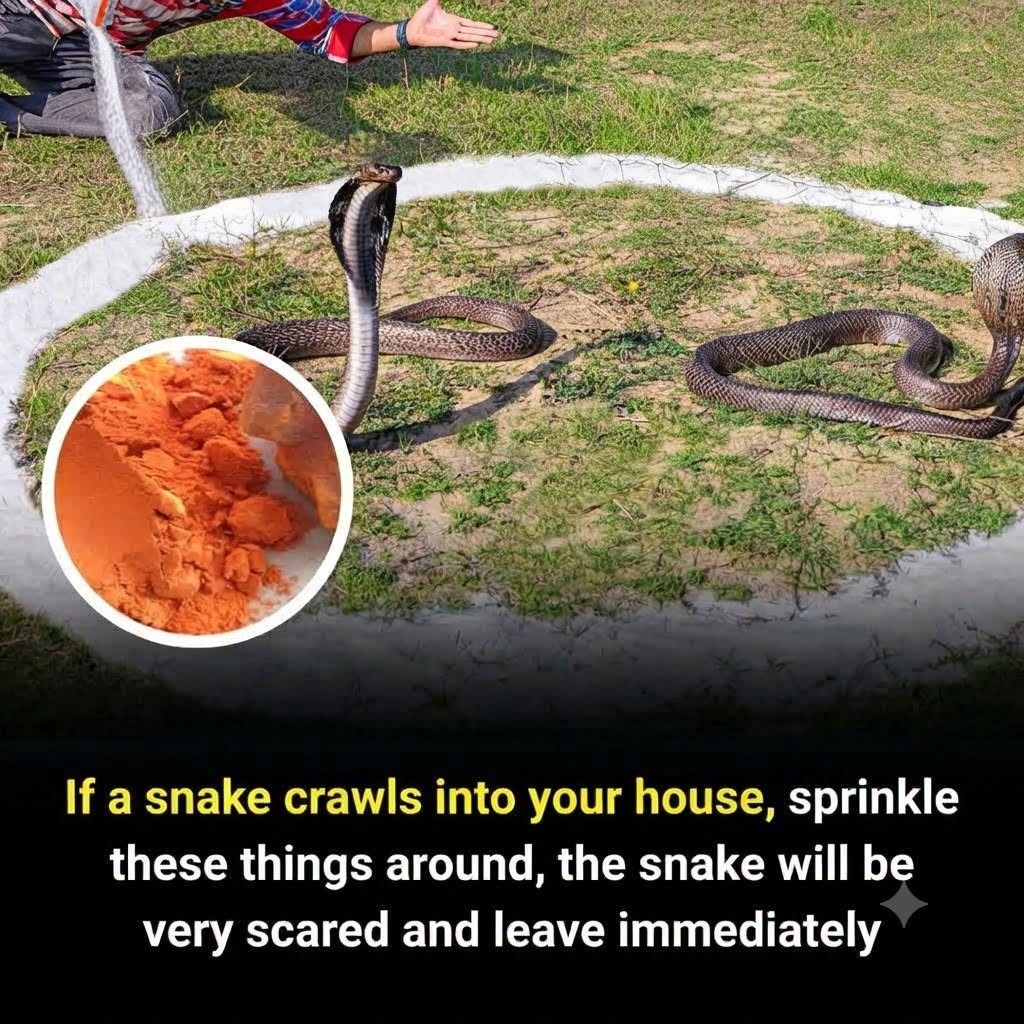
Finding a Snake Near Your Home: What to Do and How to Prevent Encounters
Understanding Snake Behavior Around Homes
Encountering a snake in or around your property can be an unnerving experience for many homeowners. However, it is important to approach the situation with calm and awareness rather than fear or aggression. Most snakes are not naturally aggressive toward humans; their presence typically signals a search for food, water, shelter, or simply a means of passing through the environment. In the majority of cases, snakes will move away on their own if left undisturbed, making patience and non-interference the safest course of action.
Distinguishing Fact from Myth: Do Snake Repellents Work?
The internet is filled with various home remedies and commercial products claiming to keep snakes away — from garlic and vinegar to essential oils and proprietary powders. However, scientific studies and expert reviews consistently find that there is no reliable household powder, scent, or natural remedy proven to consistently and effectively repel snakes. Some of these substances may momentarily irritate a snake, but snakes are highly adaptable and rarely deterred by such minor irritants.
Relying on these unproven methods can provide a false sense of security. Instead, experts recommend focusing on evidence-based approaches that address why snakes might be attracted to your property in the first place. The consensus among herpetologists and wildlife agencies is that controlling the physical environment yields the best long-term results.
Why Snakes Are Attracted to Residential Areas
Snakes are drawn to locations where prey and shelter are abundant. Common features that make properties appealing to snakes include the presence of rodents and insects, readily available water sources (like birdbaths, ponds, or pet bowls), dense vegetation, neglected piles of wood or debris, and cluttered sheds or outbuildings. These conditions provide both a food supply and concealed hiding spots, which are essential for snake survival.
Understanding the ecological role of snakes can also promote coexistence. As natural predators of rodents and insects, snakes help to keep local pest populations under control. However, minimizing such prey species is the most effective way to make your property less attractive to snakes without harming them or disrupting the broader ecosystem.
Practical Environmental Changes to Deter Snakes
Proactive property maintenance is key to reducing snake encounters. Implement the following strategies to create a less inviting environment for both snakes and their prey:
- Keep grass trimmed short to eliminate dense cover where snakes (and their prey) might hide.
- Remove piles of leaves, wood, or other debris that provide shelter.
- Store firewood neatly and off the ground to reduce nesting opportunities.
- Avoid leaving pet food or water outdoors overnight, as it can attract rodents and, consequently, snakes.
- Fix leaky pipes and empty standing water sources to deter amphibians and insects that attract snakes.
Even seemingly small changes can significantly decrease your property’s allure to both snakes and their prey, thus decreasing the likelihood of snake encounters. These strategies not only foster a safer environment but also contribute to overall property upkeep and pest control.
Securing Your Home: Blocking Entry Points
In addition to changing the external environment, it’s important to seal entry points that might allow snakes or their prey access to indoor spaces. Snakes can slip through surprisingly small gaps, sometimes as tiny as a quarter-inch.
- Install door sweeps and weather stripping at the base of all external doors.
- Repair or add fine mesh screens to all windows, vents, and crawl spaces.
- Seal gaps and holes in foundations, under porches, around utility lines, and at corners where walls meet the ground.
- Use caulk, expanding foam, or specially designed hardware cloth for more persistent openings.
Regular inspections of your home’s perimeter can prevent not only snake entry but also reduce the invasion of mice, insects, and other pests.
How to Respond Safely if You Encounter a Snake
If you spot a snake outdoors, the best response is to remain calm, keep a safe distance, and allow it an unobstructed path to escape. The vast majority of bites to humans occur when people try to trap, catch, or kill a snake. Snakes will often attempt to flee when threatened, but may defend themselves if cornered or handled.
Never attempt to handle a snake if you are unsure of its species; some non-venomous snakes resemble venomous ones and misidentification can lead to unnecessary risk. If the snake is in a garden or open area, keep children and pets away until it moves on. Most snakes will leave when they sense that humans are present and not threatening them.
What to Do If a Snake Is Inside Your Home
Should a snake enter your house, remain calm and try to contain it in one area by closing doors. Do not attempt to chase or handle the animal. Contact a licensed wildlife control professional or local animal services for safe removal. Attempting to relocate or harm the snake without proper training can be dangerous for both you and the animal.
Many countries and regions have laws protecting native snake species, and professional removal ensures both safety and legal compliance. Wildlife professionals can also provide advice on additional steps for preventing future intrusions.
Protecting Pets and Children
Ensuring the safety of pets and children is vital during any snake encounter. Teach children to observe but not interact with wildlife. Keep pets leashed and supervised in areas where snakes are known to occur. If you live in an area with venomous snakes, familiarize yourself with local species and consider additional precautions like snake-proof fencing or garden barriers.
In the unlikely event of a bite, seek immediate veterinary or medical attention. Prompt action can prevent complications and improve outcomes for both humans and animals.
Global Perspectives on Coexisting with Snakes
Many parts of the world, from urban neighborhoods to remote rural settings, experience regular encounters with snakes. Different regions may have varying levels of risk depending on the types of local snakes and landscape features. For instance, Australia, the United States, and parts of Africa and Asia are home to some venomous species, but most interactions are with non-venomous, harmless snakes.
Wildlife education campaigns in many countries aim to reduce fear and encourage informed coexistence. Public health agencies emphasize that snakes play a valuable ecological role and that indiscriminate killing of snakes can lead to unintended pest outbreaks.
Expert Recommendations and Conclusions
Authorities such as the Centers for Disease Control and Prevention (CDC) and the World Health Organization (WHO) stress that the most effective snake prevention strategies are based on environmental management rather than chemicals or deterrents. Staying informed, making simple modifications to your home and yard, and calling in professionals when necessary are the cornerstones of safe and peaceful cohabitation with these important reptiles.
Ultimately, responsible stewardship of your living space, combined with respect for wildlife, can transform the presence of a passing snake from a source of anxiety into a manageable part of the natural neighborhood. Prevention is not about eliminating snakes, but about making your property less welcoming while allowing these animals to safely continue their essential ecological roles.
Sources
- Reuters
- BBC News
- The Guardian
- CDC: Snake Safety
- World Health Organization: Snakebite Envenoming
- Mayo Clinic: Snakebite
- Humane Society: Humane Solutions for Snake Problems
Disclaimer: This content is intended for entertainment purposes only and is not based on real events.