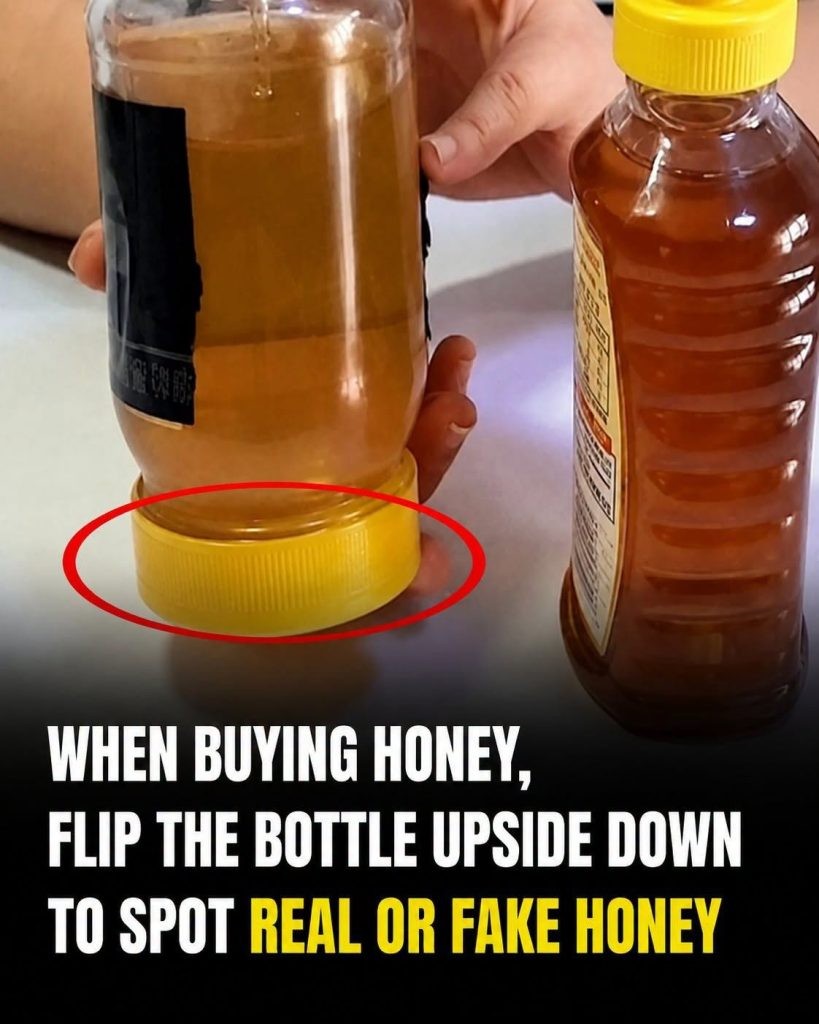
Debunking the Honey Bottle Flip: Understanding Honey Purity and Authenticity
Introduction: The Popularity of Honey Purity Tests
The purity of honey has captured the attention of consumers worldwide, driven both by a growing preference for natural foods and heightened concerns about adulteration. Among popular home tests, the “bottle flip” experiment stands out. This method involves inverting a honey bottle and observing the rise of an air bubble: supposedly, a slow-moving bubble indicates purity, while a quick ascent suggests dilution or adulteration. The simplicity and visual appeal of this trick have made it viral on social media platforms. However, scientists and food safety experts emphasize that visual tests are not reliable indicators of honey’s authenticity.
Understanding the Science: What Does the Bottle Flip Test Really Show?
While the honey bottle flip test appears compelling, it essentially measures viscosity—how thick or thin a liquid is—rather than purity. Viscosity is governed by many factors, only some of which relate to the integrity of honey. A dense, slowly moving bubble may reflect certain physical conditions, but it cannot confirm or deny the presence of adulterants.
How Temperature Impacts Viscosity and Results
Temperature plays a direct and powerful role in influencing honey’s texture. Warmer honey flows more freely, causing any air bubble to travel upward with ease. Cooler temperatures, on the other hand, increase viscosity, slowing bubble movement—even in honey from a single, pure source. Comparing two bottles stored in different environments, such as one near a stove and another in a cool cupboard, could yield vastly different results purely due to temperature fluctuation, not purity.
The Role of Water Content and Natural Variation
Water content is another major factor affecting honey’s flow and viscosity. All honey contains some moisture, with natural variations reflecting environmental factors and processing techniques. While higher water content may make honey appear thin or promote fermentation, it is not an automatic indicator of adulteration. The degree of water in honey can fluctuate due to:
- Floral source: Different plants provide nectar with unique water compositions.
- Harvest conditions: Weather and timing impact moisture levels.
- Processing and storage: Filtration, heating, and storage environments all play roles.
- Aging: Over time, honey can lose water content or crystallize, affecting its physical state.
The Diversity of Honey: Viscosity Is Not Uniform
Honey’s appearance and texture are highly variable depending on its botanical origin. Varieties such as clover, acacia, manuka, and orange blossom each display distinct profiles of sugars and natural enzymes, resulting in noticeable differences in viscosity. Some honeys remain liquid for extended periods, while others—like sunflower or canola honey—crystallize quickly. The crystallization process is a natural transformation where glucose molecules form solid crystals. This phenomenon is not evidence of adulteration; gentle warming can re-liquefy crystalized honey without affecting its quality.
Why Other Popular Home Purity Tests Also Fall Short
Beyond the bottle flip, other home tests claim to determine honey’s purity, such as observing whether honey dissolves in water, burns on a wick, forms a honeycomb pattern, or stays intact on a thumb. These demonstrations often conflate basic physical properties (viscosity, ignition point, density) with signs of purity. In reality, adulterated honey can sometimes pass these tests, while genuine honey might not, due to factors like moisture variation, temperature, or honey type. Their visual simplicity can be misleading.
Authenticating Honey: Laboratory Techniques and Scientific Approaches
The gold standard for verifying honey authenticity involves advanced laboratory testing. Food scientists utilize a combination of the following techniques:
- Sugar profile analysis: Identifies unique ratios of glucose, fructose, and sucrose.
- Isotopic testing: Detects added sugars derived from plants like corn or rice through isotope ratios.
- Pollen analysis: Reveals geographical and botanical origin.
- Chemical marker assessment: Looks for specific compounds absent in artificial sweeteners.
Because adulteration methods have grown increasingly sophisticated, food laboratories frequently apply multiple tests to ensure accuracy. No single home experiment can match the precision and breadth of these techniques, and professional certification remains the most reliable form of honey authentication.
Recognizing Reliable Honey: Purchasing and Labeling Tips
Shopping for authentic honey involves informed choices and careful label reading. Here are some best practices for consumers:
- Trusted source: Buy from reputable beekeepers or certified brands with transparent sourcing.
- Country of origin: Check country labels, batch numbers, and specific floral sources, which enhance traceability.
- Certification: Look for products that carry independent quality or authenticity seals.
Labeling laws and standards differ internationally, so understanding local regulations—and the significance of terms like “raw,” “unfiltered,” or “organic”—can provide additional guidance.
Does Price Indicate Honey Quality?
While price can serve as an indicator of production value, it is not proof of authenticity. Producing quality honey requires healthy bee colonies, skilled labor, suitable land, and efficient harvesting and processing. Suspiciously cheap honey may be a red flag, suggesting potential dilution or substitution with artificial syrups. However, high cost alone does not guarantee quality; expensive packaging or exotic branding may not reflect what’s inside the jar. Investigating the supplier’s history, reviews, and transparency will provide a better assessment than relying solely on price.
Proper Honey Storage and Safety Considerations
Safe honey storage preserves quality and minimizes risk. Key recommendations include:
- Store honey in a sealed container, away from excessive heat and humidity.
- Watch for signs of spoilage, such as fermentation odors, foaming, or uncharacteristic pressure on the container.
- Never feed honey to infants under one year old, due to the risk of infant botulism—an illness caused by Clostridium botulinum spores that infants’ digestive systems cannot neutralize.
- For individuals monitoring blood sugar, remember that honey is a concentrated source of sugars, regardless of its purity.
The Limits of Visual and Social Media Tests
While the bottle flip or other home demonstrations can be a fun way to investigate honey’s thickness, they do not provide true insight into its origin or purity. A slow-moving bubble suggests viscosity but does not confirm genuine, unadulterated honey. Meaningful evidence stems from reliable sourcing, clear labeling, and, when necessary, laboratory testing. Viral techniques on social media can sometimes encourage false confidence, turning a complex natural food into a simplistic visual verdict.
What To Do If You Suspect Fraudulent Honey
If you believe honey has been mislabeled or adulterated, the most constructive action is to document the batch number, save the purchase receipt, and contact the retailer, manufacturer, or local food safety regulator. Formal complaints initiate proper investigation and can lead to official testing or product recalls if warranted. Simple demonstrations, such as pouring honey into water for a social media video, do not generate verifiable evidence.
Natural Variation: Why Local Honey Changes from Year to Year
It’s common for honey produced by the same beekeeper to vary in texture, color, or crystallization from season to season. These shifts can be attributed to weather changes, different flowering plants being available for nectar, and even local environmental phenomena. Such natural differences are hallmarks of genuine honey and not evidence of tampering or adulteration. Asking the supplier about harvest times, floral sources, and growing conditions will offer deeper understanding than any at-home test ever could.
Conclusion: Emphasizing Evidence Over Anecdote
The search for pure, authentic honey is important for health, taste, and consumer confidence. However, home-based tricks like the bottle flip should not be relied upon as definitive tools for assessing authenticity. Instead, informed purchasing, transparent labeling, and scientific testing provide a more accurate path to discerning true honey from imitations. By seeking out trusted sources and advocating for robust food safety standards, consumers can support both their own wellbeing and ethical beekeeping practices.
Sources
Disclaimer: This content is intended for entertainment purposes only and is not based on real events.