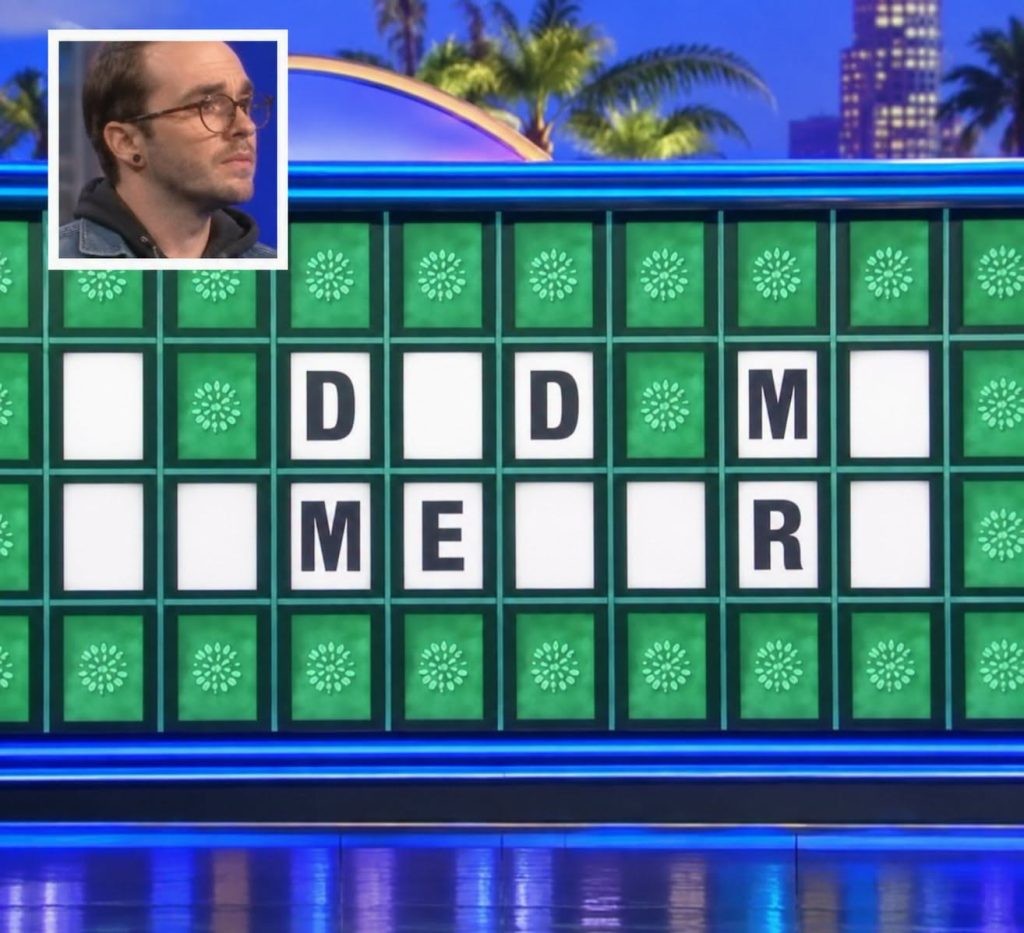
Viewers were furious.
Introduction: A Valentine’s Day Episode Stirs Controversy
The long-running game show “Wheel of Fortune” has entertained millions since its inception, known for its familiar puzzles, friendly competition, and moments of suspense. However, a recent Valentine’s Day episode ignited an unexpected wave of frustration and debate among dedicated viewers. A young contestant, a challenging puzzle, and a hotly discussed bonus prize combined to create a cultural flashpoint—one that prompted strong reactions on social media and renewed scrutiny of the show’s evolving format and rules.
The Bonus Round that Sparked Debate
At the heart of the controversy was Conner Kemmsies, who earned his spot in the coveted bonus round. In “Wheel of Fortune,” the bonus round provides contestants with a final puzzle tucked under time pressure, often with significant prizes on the line. On this occasion, the puzzle fell under the category “Phrase”—a label that, over the years, has included everything from familiar sayings to more abstract expressions.
As the standard letters appeared, viewers at home and Kemmsies alike found themselves guessing what the answer might be. Many fans postulated that the board suggested “I DID MY” but stopped short of identifying the complete phrase. As the show’s countdown expired before Kemmsies could provide the correct answer, social media erupted with questions about the puzzle’s fairness and, more broadly, the direction in which the show’s puzzles were heading.
Viewer Frustration: Was the Puzzle Too Hard?
Immediately after the episode aired, forums and social platforms lit up with criticism and debate. A sizable portion of fans argued that the answer did not resemble the type of colloquialism or everyday saying typically associated with the “Phrase” category. They questioned whether the boundaries of what constitutes a “phrase” had stretched too far, making puzzles feel unpredictable and, at times, unreasonably difficult.
Conversely, other viewers and game show aficionados defended the puzzle, noting that “Wheel of Fortune” has always incorporated a range of familiar and less-common expressions. They pointed out that under the pressure of studio lights and ticking clocks, even simple answers can become elusive, suggesting that moments of challenge are inherent to the thrill of the game itself.
Rules, Categories, and the Evolution of Game Show Puzzles
“Wheel of Fortune” has enjoyed remarkable longevity, in part due to its ability to adapt and refresh its puzzles and format over decades. Yet, as with any evolving program, changes in puzzle construction and category naming attract scrutiny. Longtime fans have developed high standards for what they expect in puzzle selection, seeing themselves as well-versed in the intricacies of game show logic.
The “Phrase” category has been particularly discussed in fan circles. According to both fan recollections and segments comparing past episodes, earlier seasons often spread clearly idiomatic or universally recognized phrases across the board. In more recent seasons, however, there appears to be a trend towards “freshening” the game by introducing trickier or less direct expressions. Producers cite the desire to keep the game unpredictable and engaging for both new viewers and contestants. Still, some fans miss the familiarity and approachability of earlier puzzles, fearing that increased difficulty could turn away casual audiences.
Expert views from television historians and psychologists who study game shows suggest that such controversies are part of the genre’s lifecycle. According to Dr. Nancy Friedman, a linguist specializing in media and games, “Puzzles need to walk a fine line: too easy, and the show loses drama; too obscure, and the audience may feel alienated. What constitutes that balance will always shift as language and popular culture shift.”
The Bonus Prize: More Than Just Money
The Valentine’s Day episode’s controversy didn’t end with the puzzle. When the bonus wheel was spun and the revealed prize was $40,000, viewers voiced further disappointment. Some long-term audience members speculated—without evidence—that this amount appears more frequently than larger sums, fueling theories about whether certain prize outcomes are less random than they appear.
It’s important to note, however, that the integrity of the bonus wheel has been defended over the years by both show producers and independent regulatory officers. Game show rules in the United States are subject to strict legal oversight, and any manipulation of outcomes would constitute a serious breach of trust and law. While perceptions may shift with luck and expectation, current audit standards safeguard the process.
From a psychological perspective, disappointment at seeing a non-jackpot sum is a natural outcome of heightened anticipation, especially when an episode has already provoked strong feelings. The producers’ commitment to presenting both substantial and smaller prizes underscores the idea that unpredictability and varied outcomes are part of what keeps viewers engaged.
The Broader Impact: A Show in Transition
The timing of this controversy is notable, as “Wheel of Fortune” enters a new era with the much-publicized transition to Ryan Seacrest as host, following the legendary tenure of Pat Sajak. Changes in on-air personnel naturally raise questions about continuity, tradition, and the evolution of the show’s identity. Every element—from the tone of the host to the style of puzzles—becomes subject to renewed viewer scrutiny.
For some, moments of frustration fuel nostalgia and debate about the “golden years” of the program. Media critics have observed that during periods of transition, audiences tend to be even more attentive to shifts in format or difficulty, interpreting ordinary game outcomes as indicative of broader change. Whether or not the Valentine’s Day bonus round represented a meaningful trend or an isolated event is ultimately a matter of perception. But it is clear that the discourse reflects the passionate investment of fans who see the show as a cultural institution.
International and Societal Reactions: Game Shows in a Global Context
The phenomenon of game show controversies is by no means unique to “Wheel of Fortune” or American television. Around the world, quiz and puzzle shows have faced scrutiny over the years regarding question fairness, prize distribution, and changes during periods of host transition. In the United Kingdom, “Countdown” and “The Chase” have experienced similar debates, and in Australia, “Wheel of Fortune” iterations have made headlines during controversial episodes.
Psychologists and communication experts emphasize the societal role of such programs. As accessible forms of family entertainment, game shows are subject to higher-than-average standards of transparency and inclusivity. Viewer debates are thus both entertainment in themselves and reflections of broader communal values about fairness, tradition, and change.
The Role of Social Media and Audience Scrutiny
The speed and volume of reaction to the “Wheel of Fortune” episode are emblematic of the modern, digital age. Platforms like Twitter, Reddit, and dedicated Facebook groups allow fans to instantly share observations and theories, turning even small moments into trending topics. This level of attention can amplify controversies that, in earlier decades, might have faded quietly.
Producers have indicated that they monitor fan feedback, balancing the input of longtime viewers with the goal of attracting new audiences. The willingness of the show to adapt, clarify rules, and occasionally respond to criticism is part of its continued relevance. Whether heightened scrutiny will result in changes to puzzle selection or prize structures remains to be seen, but history suggests that audience feedback carries real weight.
Conclusion: Tradition and Change in a Beloved Game Show
The controversy surrounding the Valentine’s Day bonus round on “Wheel of Fortune” illustrates the complex interplay between tradition and innovation in a beloved television format. While some viewers embrace challenging puzzles and varied outcomes as part of the fun, others express concern that the show is drifting from its accessible roots.
What remains evident is the show’s enduring engagement with its audience. As “Wheel of Fortune” navigates new eras—whether through shifting puzzle approaches, evolving prize structures, or notable host transitions—its loyal fanbase ensures that every moment is met with passionate discussion. Time will tell how the show balances these pressures, but its central promise remains: to delight, challenge, and bring together viewers, one puzzle at a time.
Sources
Disclaimer: This content is intended for entertainment purposes only and is not based on real events.