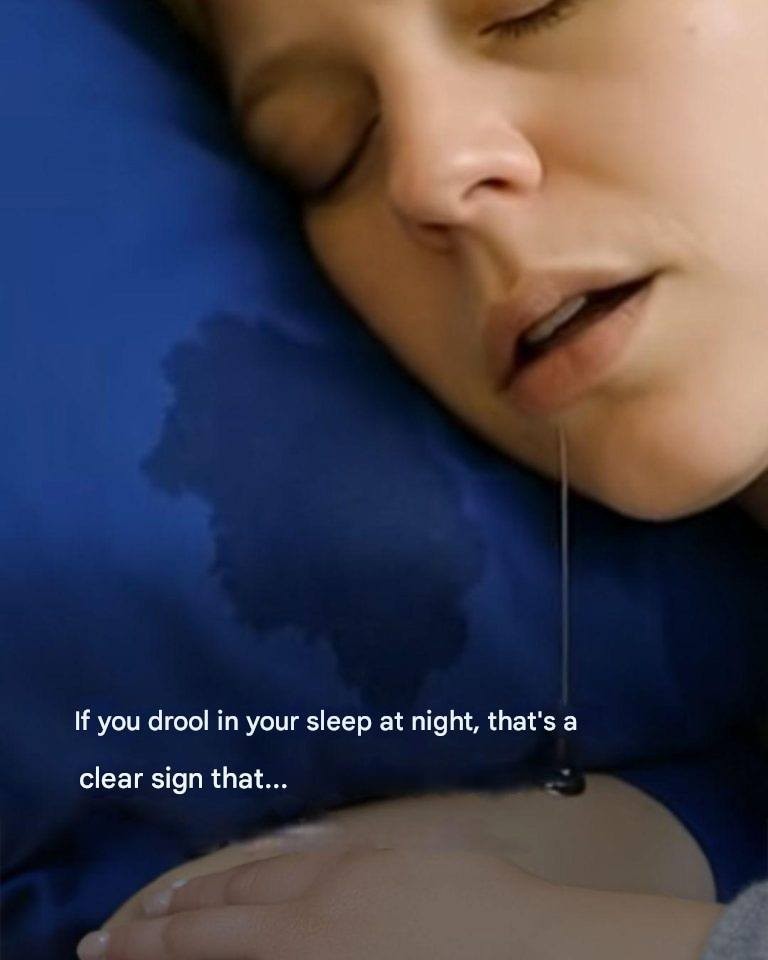
Drooling During Sleep: Causes, Health Implications, and Solutions
Drooling during sleep is a common phenomenon, yet many people do not realize that frequent or excessive drooling can be an indicator of underlying health concerns. While occasional drooling is typically harmless, persistent instances warrant a closer look at medical, dental, and lifestyle factors. This article provides an analytical perspective on the causes of nocturnal drooling, its potential health implications, contributing factors, expert recommendations, and practical solutions, in full compliance with best practices in health reporting.
Understanding Saliva Production and Drooling
Saliva is produced continuously by the salivary glands and plays a critical role in oral health, digestion, and speech. During waking hours, swallowing happens unconsciously, keeping the mouth clear of excess saliva. However, during sleep, the swallowing reflex slows down, and in certain circumstances, saliva may escape from the mouth, resulting in drooling. The amount of drooling depends on the depth of sleep, sleeping position, and various physiological and medical conditions.
Common Causes of Nocturnal Drooling
Most people experience mild drooling at some point, especially when sleeping deeply or lying on their side. Yet, when nocturnal drooling becomes frequent or severe, it can point toward specific underlying causes:
- Blocked Nasal Passages: Allergies, sinus infections, and colds can impede normal nasal breathing, forcing the mouth to open for air and making saliva more likely to pool and escape.
- Sleep Position: Sleeping on the side or stomach increases the chance of saliva escaping compared to sleeping on the back.
- Acid Reflux (GERD): Gastroesophageal reflux disease may stimulate extra saliva production as the body attempts to neutralize stomach acid.
- Dental Issues and Dentures: Dental malocclusion, poorly fitting dentures, and oral infections may lead to increased saliva output.
- Medications: Some drugs, such as certain antipsychotics, anticholinesterases, and medications for Parkinson’s disease, may affect salivary gland function.
- Sleep Disorders: Sleep apnea and related disruptions may be associated with mouth breathing and drooling.
Health Implications: When Drooling Signals a Problem
While sporadic drooling is generally benign, persistent or excessive drooling can indicate underlying health concerns. In particular, drooling accompanied by other symptoms—such as difficulty swallowing (dysphagia), slurred speech, facial weakness, or pronounced fatigue—may be a cause for medical attention.
Neurological disorders are among the less common but more significant contributors to drooling. Conditions affecting motor control in the face and jaw, such as Parkinson’s disease, amyotrophic lateral sclerosis (ALS), cerebral palsy, stroke, or Bell’s palsy, can disrupt the coordination necessary to keep saliva in the mouth. In these instances, drooling may coexist with other neurological symptoms and should prompt evaluation by a healthcare professional.
Additionally, severe sleep apnea—a breathing disorder that causes repeated interruptions in breathing during sleep—may be accompanied by mouth breathing and drooling. Sleep apnea can cause serious daytime fatigue, cardiovascular risks, and cognitive impairment over time.
Expert Views on Drooling and Its Management
Medical experts emphasize the importance of distinguishing between benign and pathological causes of drooling. The Mayo Clinic, for example, notes that occasional drooling is not typically a concern unless it is chronic, severe, or accompanied by concerning symptoms. Research published in peer-reviewed articles suggests that drooling can impact quality of life, self-esteem, and social interactions, especially in children and those with neurological disorders.
Dr. Anne Smith, a clinical neurologist, explains: “Excessive drooling can be distressing, but it is often manageable. In most cases, it reflects secondary issues such as allergies, dental problems, or sleep disorders. However, when associated with neuromuscular symptoms, it may signal more serious underlying conditions.”
International and Societal Perspectives
Nocturnal drooling is recognized globally as a common sleep-related issue. In many cultures, mild drooling is seen as a sign of relaxed, deep sleep. However, excessive drooling can cause embarrassment or social discomfort, especially among children, adolescents, and older adults. In clinical practice, drooling is often reported by caregivers of individuals with neurodevelopmental disorders, leading to focused therapeutic interventions. Societal awareness campaigns and educational initiatives help reduce stigma and improve care for those affected by persistent drooling.
Diagnosis and Evaluation
Healthcare professionals employ a systematic approach to diagnosing the cause of nocturnal drooling. A typical evaluation begins with a medical history and physical examination, investigating factors such as recent infections, allergies, medication usage, dental health, sleep habits, and neurological symptoms. Sometimes, imaging studies or sleep studies are ordered to rule out sleep apnea or structural anomalies.
Specific tests may include:
- Nasal and throat examination to identify blockages
- Dental and oral assessment for malocclusion or dental prosthetics
- Neurological examination if symptoms of facial weakness, speech changes, or swallowing issues exist
- Polysomnography to evaluate for sleep disorders
Practical Solutions and Medical Treatments
For most people, drooling during sleep requires only simple interventions. The following strategies can help reduce or eliminate the problem:
- Adjust Sleeping Position: Sleeping on your back can minimize drooling by reducing opportunities for saliva to escape.
- Nasal Congestion Management: Treating allergies or sinus congestion with proper medication or nasal decongestants can encourage nasal breathing.
- Oral Hygiene and Dental Care: Regular dental checkups and well-fitting dentures help reduce oral issues that contribute to drooling.
- Hydration and Diet: Staying hydrated and avoiding foods that trigger acid reflux can be beneficial.
- Medical Consultation: Consulting a healthcare provider if drooling persists or is accompanied by other symptoms ensures proper diagnosis and treatment.
For neurological causes, specialized treatments may include anticholinergic medication, botulinum toxin injections, or speech and swallowing therapy. In severe cases, surgical intervention may be considered.
Preventing Health Complications
Ignoring persistent drooling can lead to complications such as skin irritation, dental decay, aspiration pneumonia, or diminished sleep quality. Addressing the root causes is essential. Both patients and caregivers are encouraged to stay vigilant and seek help when warning signs appear, including:
- Sudden change in drooling patterns
- Difficulty swallowing or speaking
- Weakness or numbness in the face
- Chronic daytime fatigue
Early intervention can prevent serious health outcomes and improve overall well-being.
Lifestyle Tips and Home Remedies
In addition to medical interventions, home remedies and lifestyle changes can be effective for mild cases:
- Elevate the head of the bed to facilitate swallowing
- Use allergy-proof pillowcases and bedding
- Practice controlled breathing techniques for nasal congestion
- Monitor and improve sleep hygiene for better restorative sleep
These strategies offer practical support for managing occasional drooling and maintaining optimal health.
When to Seek Professional Care
If drooling interferes with daily life, is chronic, or is associated with concerning symptoms, prompt medical assessment is recommended. Healthcare providers can offer tailored solutions based on individual health needs and ensure that potentially serious conditions are properly addressed.
Conclusion
Drooling during sleep is a multifactorial issue with causes ranging from benign to serious. Understanding the biological mechanisms, possible triggers, and available treatments allows for effective management and improved health outcomes. Occasional drooling is generally harmless, but persistent symptoms should be evaluated to rule out underlying medical and dental concerns. Through awareness, lifestyle changes, and medical guidance, most cases can be resolved, ensuring better sleep and greater peace of mind.
Author and Media

Sources
Disclaimer: This content is intended for entertainment purposes only and is not based on real events.