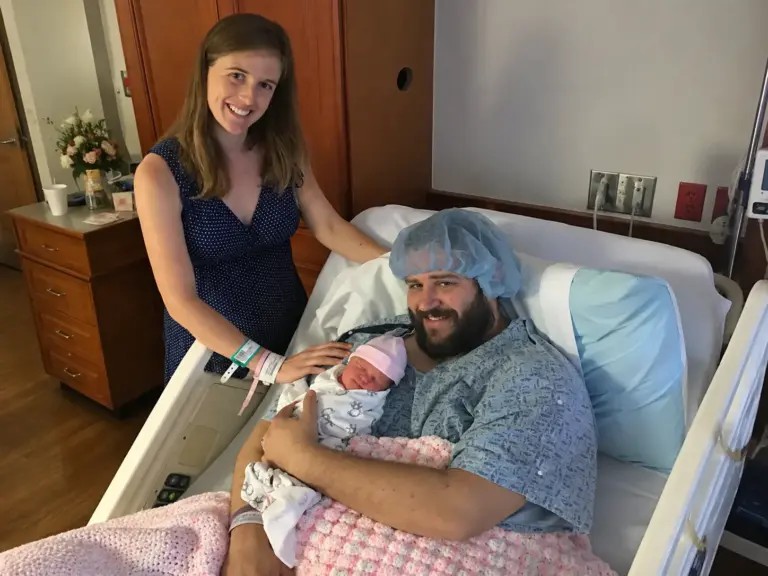
Growing Up With My Sister Rosie: Love, Challenge, and Unveiling a Family Secret
For as long as I can remember, my life has been intertwined with my little sister Rosie, who was born with Down syndrome. From an early age, I understood that caring for Rosie would shape not only my daily actions but my outlook on the world, family, and friendship. My journey—marked by moments of joy, heartbreak, and profound realizations—underscored the complex dynamics within families caring for loved ones with disabilities.
The Early Years: Learning About Difference and Empathy
Childhood was both magical and challenging. My sense of responsibility over Rosie formed naturally and immediately. School, an environment known for its social obstacles and, at times, blunt cruelty, was where I became fiercely protective of her. Children often notice and magnify differences, and I saw firsthand the exclusion and unkindness Rosie faced—simply for being herself.
Amid this, someone stood out: Ben, my childhood best friend. What set Ben apart wasn’t just his kindness but his unwavering refusal to see Rosie through a lens of pity, stereotyping, or limitation. To him, Rosie was never a burden or a person deserving of charity. She was simply Rosie—equal, valued, and included.
A Friend’s Loyalty: Ben’s Impact on Our Family
Ben’s presence during our formative years was transformative. When other children excluded Rosie from games and activities, Ben always made space for her. I vividly remember one instance in elementary school: during a game of kickball, despite being laughed at by his peers, Ben picked Rosie for his team. That bold act signaled to everyone that she belonged, and to Rosie, it communicated acceptance and respect.
In fourth grade, Ben made a promise that seemed whimsical at the time: “One day I’ll take you to prom.” While everyone else laughed, Ben never forgot. As the years passed, his commitment to Rosie and our family deepened. He became a fixture at our home, spending hours with Rosie on the porch and seamlessly weaving himself into our family fabric. Looking back, I realize now that what I interpreted as a budding romance with me was actually a devoted friendship to both of us, but mostly to Rosie.
Growing Up Together: Misunderstood Signals and New Realities
As a teenager, I sometimes wondered if Ben visited for me. I pictured a future where our friendship transformed into romance—envisioning us marrying, raising families nearby, and living out the kind of happy ending I thought I wanted. This daydream persisted into my early adulthood, right up until the day Ben appeared at our door holding a velvet box. My heart leaped with anticipation, only for reality to unfold differently: instead of proposing to me, he humbly asked for Rosie.
I watched through the kitchen window as he knelt in the yard beside our mother’s tomato plants, asking Rosie to marry him. Her joy was unmistakable, and I retreated before my tears showed. It was a painful moment, perhaps harder than I expected, but as I reflected overnight, I understood that Rosie absolutely deserved all the happiness she could find, and Ben was the person who truly cherished her. We planned the wedding together, and I stood by her side as her proud maid of honor.
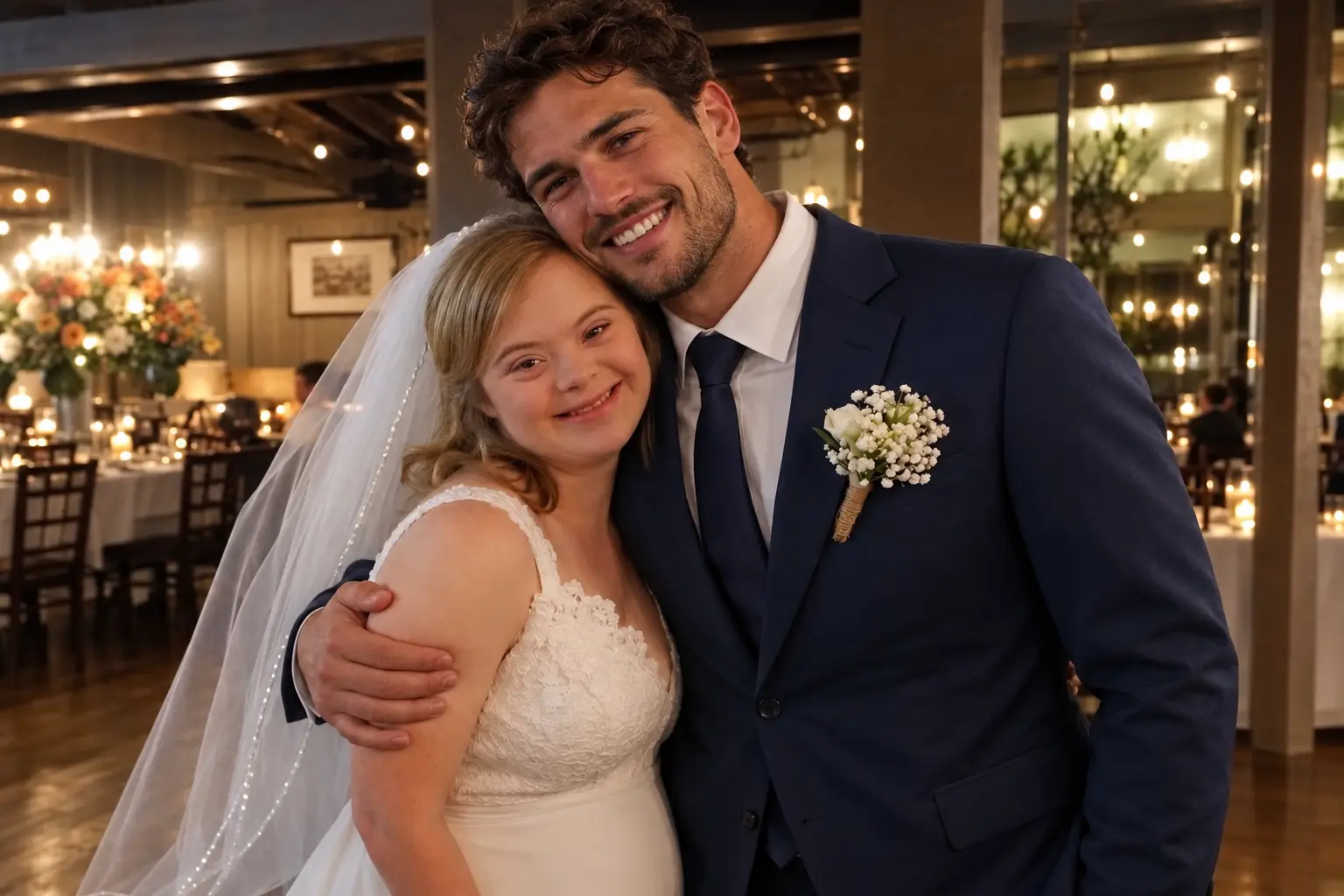
Building a New Family: Acceptance and Life’s Surprises
My parents, at first, wore smiles of relief and hope. They frequently echoed a simple refrain: “Ben will take good care of her.” Life gradually moved forward. With time, my hurt faded, I met someone who became my husband, and established a new routine. Rosie and Ben bought a cheerful yellow house a few streets away. She would call in the mornings, brimming with excitement to tell me about new flowers in the garden or the latest hilarious movie Ben convinced her to watch.
Then, an event long thought impossible happened—Rosie discovered she was pregnant. Not with one, but with twins. Decades of medical advice had warned us that motherhood was unlikely for her. The news felt like a miracle and a testament to resilience and hope. Rosie blossomed with excitement and anticipation for her children.
Complications and a Family Tested
However, life often delivers its sternest trials when we least expect them. At thirty-four weeks, Rosie developed life-threatening complications and was rushed to the hospital. Hours in the waiting room crawled by, each one heavy with dread. Finally, a doctor emerged, his expression grave but with reassuring words: “The babies are doing well. But your sister has lost a tremendous amount of blood. We’re doing everything we can.”
Ben, normally calm and stoic, wavered. I held his arm, trying to offer strength, only to realize how deeply he was shaken. He confided in me in a quiet stairwell, trembling as he handed me a folded document. What I discovered would alter my understanding of my family forever.
The Contract: Unveiling a Difficult Truth
The document was on my father’s law firm’s letterhead—a legal contract stating that Ben would receive a sizable financial incentive (five hundred thousand dollars) if he married Rosie. The revelation was staggering. My initial reaction mixed disbelief and anger. Had Ben married Rosie for money, out of guilt, or a sense of duty?
Ben’s response was immediate and heartfelt. Through tears, he insisted he had never touched the money. Every payment had gone into an account in Rosie’s name. The true purpose of the contract came to light: my parents had grown overwhelmed by the responsibilities of caring for Rosie and had begun exploring options to place her in a long-term care facility. Not wanting me to bear that burden, they saw the contract as a solution—one that devastated me to learn about. Ben had only signed because he truly loved Rosie and wanted her to keep her inheritance and autonomy.
The Power of Informed Love and Honesty
Ben revealed that Rosie had learned of the contract the previous year. Her reaction? She cried briefly, then laughed, telling Ben the circumstances didn’t matter—she loved him, and their connection transcended any arrangement. She asked him to keep it from me, afraid I would lose my family by siding with her. Standing in that stairwell, I saw years of memories in a new light: every bouquet of flowers, every inside joke about movies, every glance. None of it was performed; all of it was love.
Confrontation and a Family at a Crossroads
Back in the waiting room, the timing was abrupt and unavoidable. My parents arrived and I confronted them, contract in hand. The magnitude of what unfolded was not just in the exposure of their plan, but in the silent, stunned reactions of staff and family. My parents’ responses—initial protestations followed by retreat—made it clear that their choices, perhaps made from desperation or fear, had crossed a line that damaged trust irrevocably.
Redefining Family: A New Chapter
Ben and I reconciled over the truth. He apologized for keeping the secret, but I assured him that his loyalty and protection of Rosie meant more than any betrayal of omission. We entered Rosie’s hospital room together, finding her weak but stable, flanked by her newborn twins, both healthy and safe.
After the crisis, the story of the contract spread through our extended family. Invitations to family gatherings diminished. Phone calls grew sparse. The isolation was difficult, but clarity brought a certain peace: those who acted out of love and protection formed the core of our new family structure. We focused on Rosie, her children, and the future we could build—one grounded in honesty, empathy, and unconditional support.
Reflections: Lessons in Inclusion, Disability, and Unconditional Love
This story is about more than a family secret—it’s a reflection on the value and challenges of inclusion. Families raising individuals with disabilities often confront profound emotional, logistical, and societal challenges. According to experts from organizations like the Mayo Clinic and CDC, children with Down syndrome require individualized care, community support, and, crucially, acceptance from those around them. Ben’s devotion demonstrates the critical importance of seeing and loving individuals as people first, beyond labels or diagnoses.
Family dynamics can be sharply tested under stress, with good intentions sometimes giving way to questionable decisions. The best outcomes for individuals with disabilities arise when autonomy is honored, along with a network of emotional and practical support. Internationally, disability rights groups emphasize family integration and the right to live in inclusive, supportive communities, as reflected in United Nations recommendations.
Rosie’s journey against the odds—including her safe delivery of twins—stands as a testament to the strength and resilience possible when loved ones act with empathy. For caregivers, siblings, and advocates, the key lesson is clear: protection and opportunity go hand in hand, and even under the most trying circumstances, genuine love finds a way.
Moving Forward: Building Supportive Networks
Our family’s transformation illustrates a broader truth for society: meaningful inclusion, honesty, and open communication are essential when supporting individuals with disabilities. Access to healthcare, education, and social opportunities is critical. Families and communities are stronger when they prioritize these values—not just for individuals like Rosie, but for all members. Practicing empathy, honoring promises, and facing challenges directly are the hallmarks of resilient, supportive families and communities.
Conclusion: The Meaning of Family and Belonging
Today, Rosie enjoys her days as a mother, and our redefined family draws strength from the challenges we have overcome. While the past cannot be changed, our future is shaped by the bonds of compassion, respect, and honesty. For any family facing similar trials, remember: advocating fiercely for loved ones and embracing each member’s individuality will always be worth the effort. Love, in the end, is what endures.
Sources
Disclaimer: This content is intended for entertainment purposes only and is not based on real events.