
Raw-dogging Your Period: The Internet Trend, The Real Risks, and What’s Actually Healthy
Understanding the ‘Raw-dogging’ Period Trend
Across social media, a growing number of women are referring to their choice to undergo menstruation without using any pain relief, medication, or comfort tools as “raw-dogging” their period. This trend involves enduring cramps, bleeding, hormonal shifts, and the accompanying discomforts simply to see how much pain can be withstood. The conversations range from jokes about skipping painkillers and heat pads, to personal stories of enduring several days of physical and emotional symptoms without relief.
For some, this approach takes on the quality of a personal or even communal endurance test, one measuring exactly how much discomfort can be tolerated before giving in to relief. On TikTok, Twitter, and Instagram, countless posts elaborate on the decision to refuse symptom relief—not as negligence, but as a deliberate act, sometimes competitive, often humorous.
But whether intended in jest or as a badge of honor, the practice raises deeper questions about the longstanding cultural attitudes toward women’s pain, expectations for their toughness, and the real health implications of ignoring menstrual symptoms.
The Realities of Period Pain
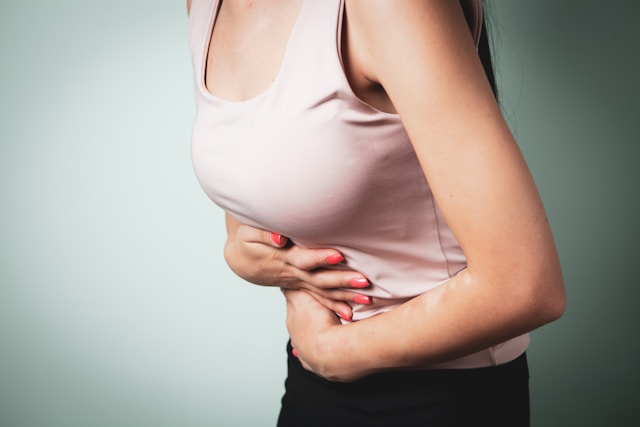
Anyone who menstruates knows the monthly list all too well: lower abdominal cramps, lower back pain, headaches, breast tenderness, bloating, irritability, fatigue, and major disruptions in daily routine or mood. For some, the impact is minor; for others, it’s debilitating. While some level of discomfort is typical during menstruation, the severity of symptoms varies considerably.
According to experts, period pain (known medically as dysmenorrhea) is common, but there is a spectrum. Pain that is manageable and does not disrupt daily activities is considered normal. However, repeated and severe pain that impedes work, school, or social participation deserves deeper attention and, in many cases, medical investigation.
The Social and Historical Context Behind ‘Toughing It Out’
The idea of toughing out period pain—whether or not branded as “raw-dogging”—is not new. Women have been expected for generations to continue daily life while menstruating, masking pain and discomfort as a matter of course. Going to work, attending classes, running households, and meeting social obligations, all while quietly managing severe symptoms, is a pattern familiar to many.
This normalization of suffering can pave the way for unhealthy expectations, both externally and internally. Feeling pressure to prove resilience by refusing pain relief can blur the lines between actual toughness and silent endurance of symptoms that may signal medical issues.
Jo Barry, founder of the sustainable period self-care brand Scarlet, experienced severe pelvic pain due to stage 4 endometriosis and adenomyosis—conditions commonly missed or dismissed as routine period pain. After years of enduring symptoms, multiple surgical interventions, and eventually a hysterectomy, Barry became an advocate for reframing conversations about menstrual pain.

The Myth of “Strength” Through Suffering
A critical message from Barry and health professionals is that enduring pain without support does not confer additional strength, health, or worthiness. While choosing not to take pain relief is a personal decision, turning untreated pain into a competition—online or otherwise—can be damaging.
There is no hidden health benefit to ‘toughing out’ all symptoms. Medication, heating pads, gentle movement, and rest are all tools that serve to make symptoms manageable, not to signal weakness. Conversely, shying away from symptom relief does not inherently signal strength or resilience.
More importantly, treating pain endurance as an achievement can distract from the most vital question: Why does the pain exist in the first place?
The Dangers of Ignoring Severe Menstrual Pain
Ignoring persistent, intense period pain does not cause chronic reproductive conditions such as endometriosis, but it can delay crucial diagnosis and treatment. Dismissing symptoms as ‘just part of having a period’ means many individuals spend years living with unrecognized medical conditions. When pain signals are treated only as endurance tests, it is easier for both individuals and healthcare providers to miss underlying causes.
Barry herself was told repeatedly that her pain was simply part of menstruation, only to later discover the presence of severe underlying problems. Unfortunately, this experience is not rare; research shows women and girls commonly encounter dismissal or minimization of their symptoms, sometimes facing lengthy waits for accurate diagnosis of endometriosis, polycystic ovary syndrome (PCOS), fibroids, or adenomyosis.
The societal expectation to soldier through pain, coupled with shame, stigma, or misinformation about menstrual health, can contribute to delays in seeking effective help.
Listening To Your Body: When Is Menstrual Pain a Red Flag?
Not all period pain should be treated the same. Recording details of your cycle can be crucial for identifying patterns and communicating with a healthcare professional. This can be as simple as keeping a journal of when symptoms begin, how long they last, their location and severity, and the presence of additional signs such as heavy bleeding, fainting, vomiting, or pain during intercourse or bowel movements.
- Pain that is severe enough to interrupt work, school, or sleep
- Heavy bleeding that requires changing a pad or tampon every hour
- Fainting or nausea associated with menstrual pain
- Pain during sex or while using the toilet
- Pain that occurs between periods or worsens over time
These symptoms may require prompt medical evaluation. According to guidelines from prominent health organizations, pain that interferes with quality of life or changes significantly from your baseline should be discussed with a healthcare provider.
The Problem with Comparing Pain Thresholds
Period pain is not a competition. It is normal for different bodies to respond to menstruation differently—some barely notice physical symptoms, while others experience debilitating pain that inhibits daily life. The problem arises when a person’s easy period becomes a perceived standard for all, leading others to question their own experiences or feel compelled to ‘catch up’ in toughness.
Experts stress that pain tolerance is not a measure of character or value. Anatomical differences, hormonal fluctuations, inflammation, and underlying medical conditions all play a role in how symptoms manifest.
Minimizing another person’s pain experience, or expecting everyone to respond in the same way, erases the complexity of menstrual health and can cause psychological harm.
The Role of Humor and Social Media
The viral phrase “raw-dogging your period” reflects a broader phenomenon: using humor to cope with unpleasant physical realities. For some, it’s a tongue-in-cheek way to reclaim autonomy, turning an uncomfortable topic into something shareable and accessible. However, the risk emerges when this humor crosses into normalizing untreated suffering or turning genuine health concerns into a measure of social status.
While sharing experiences online can create solidarity, it is vital that those with severe symptoms don’t feel compelled to match or outdo the pain tolerance of others. The aim should be support—not silent competition.
Recognizing When to Seek Medical Advice
The following symptoms are particularly concerning and should not be ignored:
- Fainting or vomiting due to pain
- Sudden, severe pelvic pain
- Unusually heavy bleeding (soaking through pads/tampons rapidly)
- Pain during intercourse or urination
- Symptoms that significantly disrupt daily life or have suddenly changed in pattern or severity
Sudden and extreme symptoms, particularly with associated fever, weakness, or signs of pregnancy, warrant immediate professional assessment. Trusted healthcare organizations emphasize that no one should wait for consensus from friends, online communities, or family to seek help for worrying symptoms.
Comfort and Relief Are Not Rewards to Be Earned
Period comfort is not something that should need to be ‘earned’ by waiting until pain is excruciating. Whether reaching for ibuprofen, a heating pad, rest, or medication prescribed by a doctor, seeking relief is a responsible way to care for yourself. Those who choose not to use symptom relief also deserve respect for their decision, provided it is informed and not the result of external pressure or misinformation.
What must be challenged is the notion that enduring untreated pain equals moral or physical superiority, as this can cause unnecessary suffering and delay the recognition of health problems.
What’s Normal For One Person Isn’t a Benchmark For Anyone Else
Ultimately, every person’s menstrual cycle and experience of period pain is unique. While occasional mild cramping is common, significant or worsening symptoms, especially those that disrupt daily function or cause distress, are valuable signals from your body.
If your symptoms are changing, becoming more severe, or impacting your ability to participate in normal activities, it is both sensible and healthy to consult a health professional. There is no need to suffer in silence or prove a point of endurance.
For those whose periods are relatively mild, there is nothing wrong with skipping medication if that matches your preference and wellbeing. For those with severe symptoms, compassion and medical support—not competition—should be prioritized.
Conclusion: Ask the Right Questions About Your Menstrual Health
The trend of “raw-dogging” periods illustrates longstanding cultural themes: the minimization of women’s pain, social pressure to endure quietly, and the quest to define what is ‘normal.’ Humor and online trends can bring people together, but must not distract from the fact that period pain, when excessive, is a health issue deserving attention.
Instead of measuring how much discomfort you can withstand, the focus should be on understanding the reasons behind intense pain and seeking timely care. Menstruation is a natural process that involves challenges, but losing quality of life should never be an accepted consequence.
You do not need to ‘earn’ relief or permission to advocate for your own health.
Sources
- Centers for Disease Control and Prevention (CDC) – Women’s Reproductive Health
- World Health Organization (WHO) – Menstrual Health
- Mayo Clinic – Painful Periods (Dysmenorrhea)
- BBC News
- Reuters
- The Guardian – Menstruation
Disclaimer: This content is intended for entertainment purposes only and is not based on real events.