
Online Communities Solve Mysteries: The Case of the Padded Satin Item
The Power of Collective Knowledge in Online Communities
In the digital era, online communities have emerged as dynamic spaces where people come together to solve everyday mysteries, share insights, and learn from one another. Platforms such as Reddit, specialized forums, and social media groups harness the collective intelligence of millions. By pooling their diverse expertise, users frequently solve puzzles ranging from unidentified objects to historical artifacts and peculiar gadgets.
The collaborative approach users employ involves careful observation, discussions rooted in experience, and contributions from individuals with specialized backgrounds. The mechanism of crowdsourcing knowledge has transformed the way society deals with daily curiosities and uncertainties, demonstrating the significant role digital platforms play in collective problem-solving.
The Mysterious Padded Satin Item
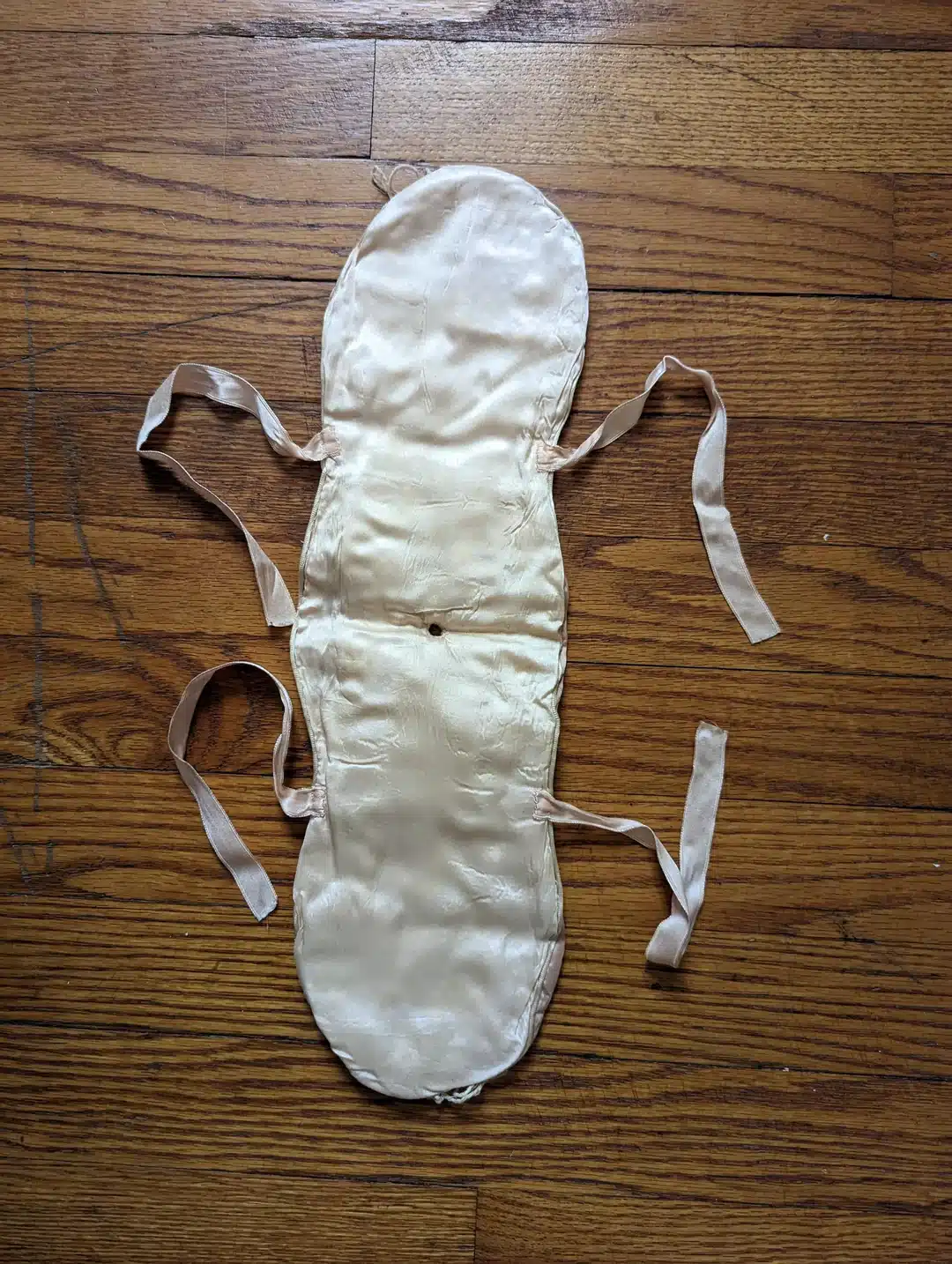
One intriguing case showcases the strengths of these communities: a user posted an image of a mysterious padded satin item, featuring ribbon ties and a hole in the middle. The object’s purpose was unclear, prompting widespread speculation and analysis.
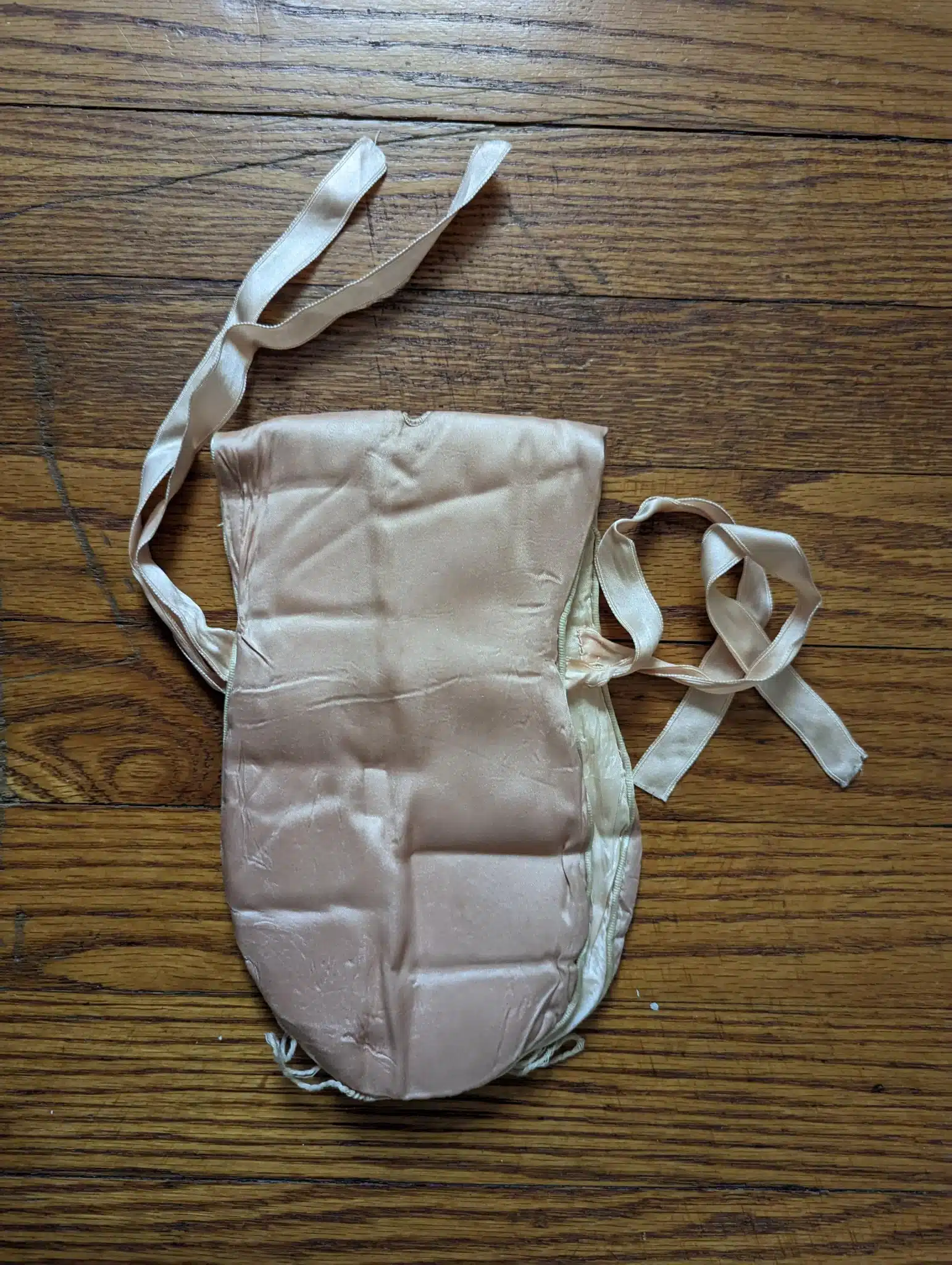
The original poster asked: “What is this padded satin item with ribbon ties and a hole in the middle? Appears possibly handmade, like a case for a beauty item.” This simple question sparked a flurry of responses, theories, and debates, all aimed at identifying the item’s function.
Online Investigation and Identification Process
Users on online platforms, particularly Reddit, approached the mystery systematically. Among the suggestions were the possibilities that the item could be a protective cover for delicate household objects, a hand-crafted cosmetic pouch, or some form of clothing accessory. People began comparing the item to similar objects in their homes, referencing vintage catalogs, and even consulting family members who specialize in textiles or garment care.
One highly regarded response proposed, Answer: “It looks like it might go on top of a hanger (which is why there’s a hole in the middle). This would turn something like a smooth wooden hanger into one of those hangers with a satin finish/top to prevent light items like slips or lingerie from slipping off the hanger. The ties would be to secure it to the hanger, perhaps. Just a guess though!”
Expert Insights on Similar Items
Textile experts and vintage clothing enthusiasts joined the discussion, offering informed perspectives. According to specialists, such padded satin covers were historically used in wardrobe management. The reasons include:
- Prevention of fabric damage: Satin covers provide a smooth surface, minimizing snags and friction that could harm delicate garments like silk slips, nightgowns, or lingerie.
- Protection against dust and wear: Fabric covers shield clothing from dust accumulation and environmental exposure, especially for items left hanging for extended periods.
- Preserved garment shape: Padding helps maintain the contours of garments, especially those made from softer materials, preventing unwanted creasing or distortion.
While the precise origins of individual hand-made covers may vary, their purpose – to enhance hanger function for delicate apparel – is widely recognized. The inclusion of ribbon ties allows owners to adjust and secure covers based on hanger size and garment needs.
Historical Context and Evolution
Padded hanger covers have roots dating back to the early 20th century, when care for fine clothing was paramount, particularly among those who owned a variety of delicate fabrics. They were common in households, boutique shops, and luxury department stores. Often crafted from silk or satin, the covers signified meticulous attention to garment preservation.
With the progression of manufacturing techniques and wider availability of affordable garment care solutions, commercially produced hangers with satin finishes became more popular. Nevertheless, handmade variants remain treasured in some families, passed down as practical heirlooms or personal projects. The mystery item’s suggestion of being handmade aligns with these traditions, reflecting both creativity and resourcefulness.
The Role of Online Communities in Mystery Solving
The rapid identification of the padded satin item exemplifies the strengths of group problem-solving online. Platforms like Reddit’s “What Is This Thing” and dedicated Facebook groups provide environments where users:
- Share detailed images and descriptions: Visual evidence allows precise scrutiny and aids comparison against known objects.
- Benefit from global reach: Participants span continents, offering diverse cultural experiences and knowledge bases.
- Draw on professional expertise: Experts in textile care, antiques, and domestic items frequently contribute, lending credibility to discussions.
- Engage in archive research: Many users access digitized catalogs, historical documents, and family albums to find references.
This collaborative approach often leads to quick, accurate answers. The process not only resolves individual queries but also educates the broader community about objects and practices that may otherwise fade into obscurity.
Case Studies: Similar Mystery Resolutions
The padded satin item is just one among thousands of objects crowdsourced for identification. Other notable cases include:
- Antique kitchen tools: Unusual utensils are matched to culinary traditions and historical periods by seasoned cooks and collectors.
- Vintage tech parts: Early electronic components or mechanical devices are often recognized by engineers or hobbyists familiar with historical technologies.
- Artwork fragments: Decorations or sculptural pieces get identified by art historians and museum staff.
Each scenario illustrates the remarkable breadth of knowledge within today’s digital communities.
International and Societal Reactions
The process of mystery solving online attracts global attention and cultural appreciation. Community-driven identification efforts contribute to maintaining collective memory, preserving historical artifacts, and encouraging cross-generational interaction. Societies increasingly recognize the educational value of such platforms, integrating their approaches into formal and informal learning environments.
Media coverage around notable discoveries highlights the collaborative achievements, emphasizing transparency, respect for knowledge sharing, and the potential for strengthening community ties. The phenomenon has spurred interest from researchers exploring how digital interactions drive curiosity, engagement, and collective intelligence.
Challenges and Ethical Considerations
While online identification platforms succeed in generating answers, they must address several challenges:
- Ensuring accuracy: Users strive to provide evidence-backed answers, discouraging speculation and misinformation.
- Safeguarding privacy: Posting images of personal items may inadvertently share sensitive details; communities develop guidelines to protect user anonymity.
- Respecting copyrights: Visual content and references are used with proper acknowledgment to creators and rights holders.
Sites maintain moderation policies in line with Google AdSense content standards, focusing on factual content, non-violent discussion, and inclusive participation.
The Educational Impact of Community Problem-Solving
Collective object identification online serves as an informal education tool. Participants gain insight into history, technology, art, and domestic science, broadening their awareness. Young users are particularly encouraged to learn through active engagement, fostering curiosity, and appreciation for cultural heritage.
Educational institutions increasingly reference these communities as supplementary resources, encouraging students to practice analytical reasoning, online research methods, and digital citizenship skills. The padded satin item’s identification is a testament to the value of such models, blending tradition, expertise, and digital innovation.
Conclusion: The Lasting Value of Collective Mystery Solving
The identification of the padded satin item through community collaboration reinforces the benefits of crowdsourced problem-solving. Online platforms unite individuals from various backgrounds to tackle everyday enigmas, share knowledge, and preserve historical practices. The process yields not only solutions but also deeper understanding and respect for the objects and traditions embedded in daily life.
As digital communities continue to grow, society will see increased opportunities for collective learning, memory preservation, and problem-solving across a spectrum of disciplines. The padded satin item stands as both a symbol of domestic ingenuity and an example of the transformative power of online collaboration.
Sources
Disclaimer: This content is intended for entertainment purposes only and is not based on real events.