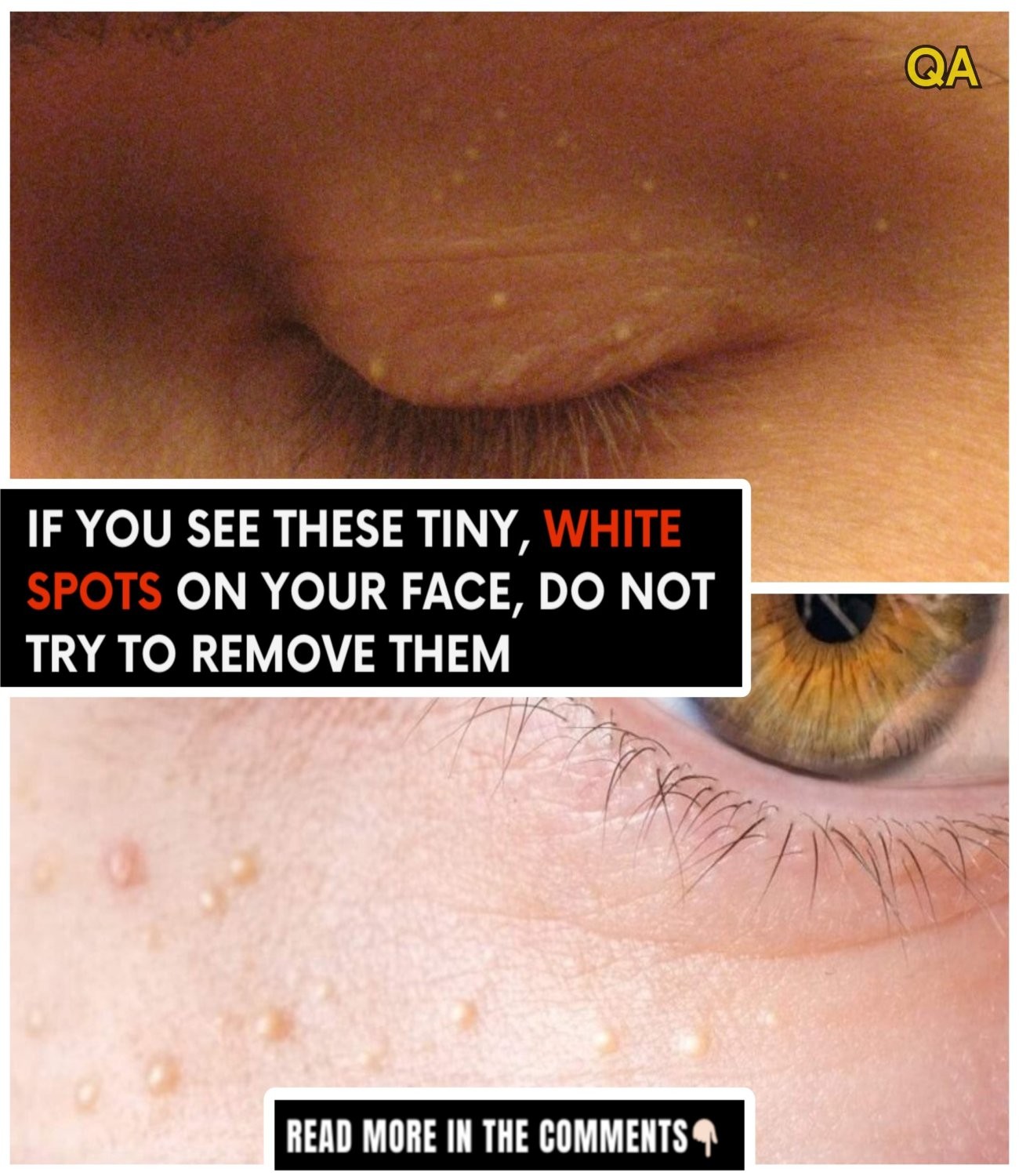
Milia: Causes, Removal Methods, and Prevention Strategies
Milia are small, white or yellowish bumps that often surface around the eyes, nose, and cheeks. While many people may confuse these tiny cysts with acne, milia have a distinct biology and require specific management strategies. Understanding the formation, treatment options, and preventive measures for milia can empower individuals to maintain healthy and clear skin.
What Are Milia?
Milia are small cysts that develop just below the skin’s surface. According to dermatological sources, milia form when keratin—a protein in the outer layer of skin—becomes trapped. Unlike acne, which involves inflammation of hair follicles due to oil and dead skin buildup, milia are non-inflammatory and are not related to clogged pores or bacteria.
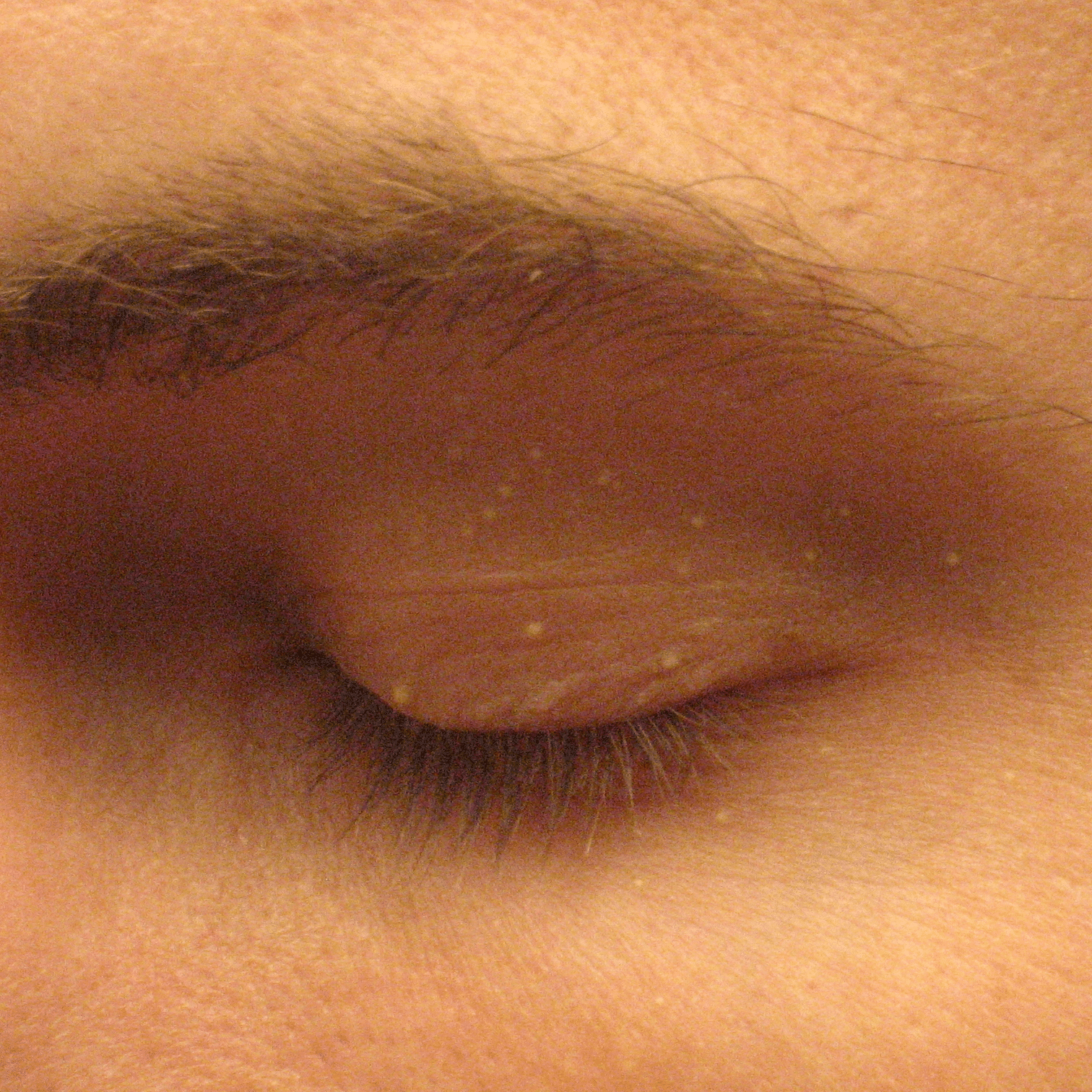
Typically, milia appear as firm, dome-shaped bumps that are painless and harmless. Their size usually falls between 1 to 4 millimeters. While most common in infants, milia frequently occur in adolescents and adults as well, particularly on the face but sometimes on other parts of the body.
Common Causes of Milia
The underlying cause of milia is the entrapment of keratin beneath the skin. In infants, this is usually a natural occurrence as their skin is still developing. In adults, various factors can contribute to the formation of milia:
- Skin damage from injuries, burns, or rashes, which disrupt the natural exfoliation process.
- Long-term sun exposure leading to thickened skin and impaired shedding of dead cells.
- Use of heavy creams or oil-based products that trap keratin under the skin.
- Skin resurfacing treatments like dermabrasion or laser therapy, which can inadvertently trigger milia while the skin heals.
- Certain medications including topical steroids, may also be a contributing factor.
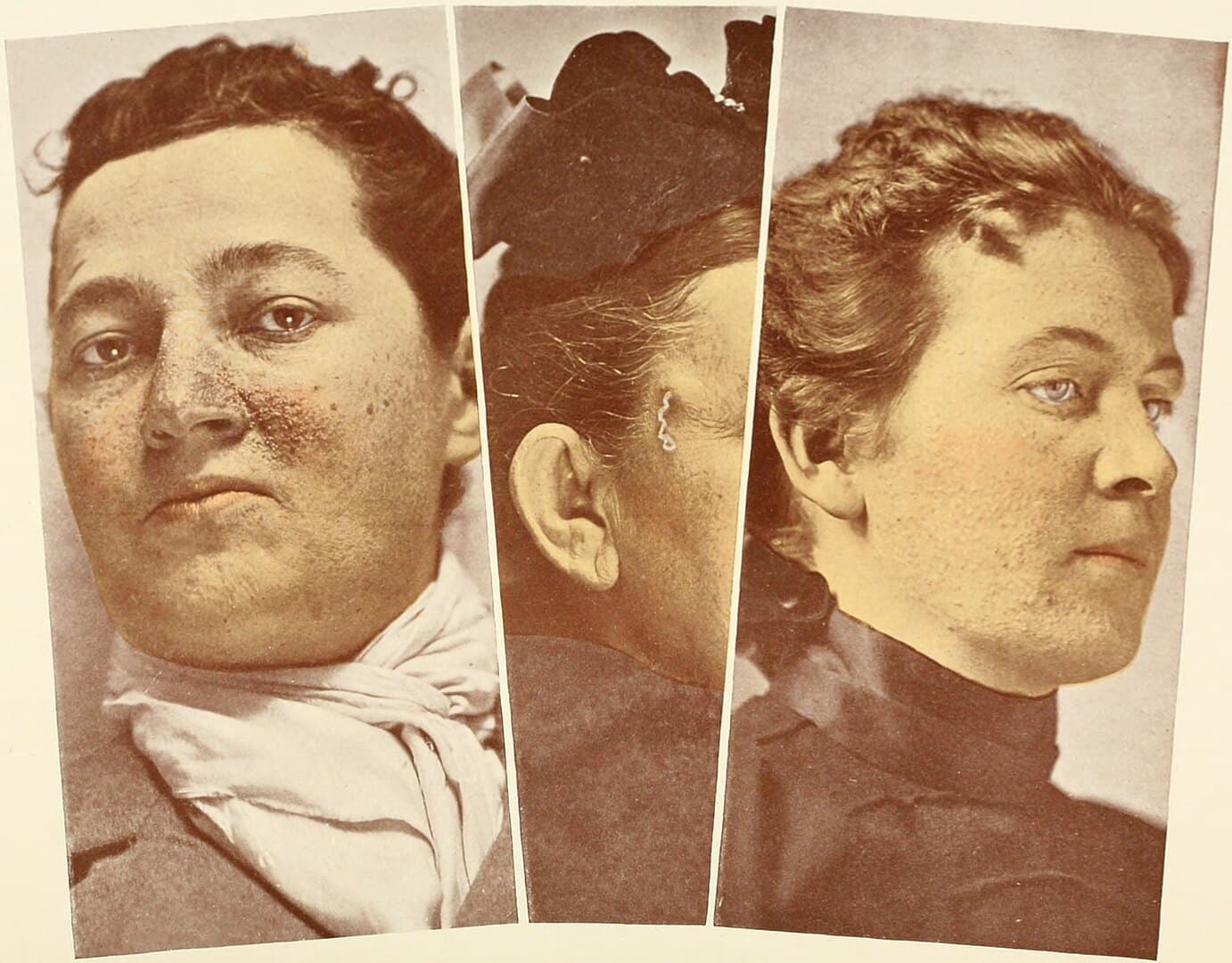
Recognizing Milia: Visual Characteristics
Milia are most commonly found clustered around the eyes, nose, cheeks, and sometimes the forehead. Unlike whiteheads and acne, milia are hard to the touch, do not have visible inflammation, and do not contain pus. Their color ranges from pure white to a subtle yellow hue, depending on depth and individual skin tone.
Professional Removal Methods
Dermatologists offer several effective treatments for individuals who wish to remove milia, particularly when cosmetic appearance is a concern. Procedures are often recommended when milia are persistent, spread, or cause distress. Some of the most widely used professional interventions include:
- Extraction by a professional: A dermatologist uses a small, sterilized lancet to carefully open the surface of the skin and extract the cyst. This is a quick procedure that, when performed by a qualified expert, carries minimal risk of scarring or infection.
- Chemical peels: Controlled application of chemical exfoliants (typically glycolic acid) removes the top layers of dead skin cells, fostering new skin development and releasing trapped keratin.
- Laser therapy: Targeted lasers can break open cysts with precision, providing an option for larger or stubborn milia.
- Microdermabrasion: A mechanical technique that physically buffs away surface layers, making it easier for keratin to escape naturally over time.
Professional methods are efficient but may carry a higher upfront cost and sometimes require downtime for the skin to heal properly.
At-Home Remedies for Milia Removal
For those seeking less invasive or more budget-friendly solutions, certain homecare methods may support the body’s natural ability to shed keratin and prevent the formation of additional milia. However, it’s important to note that milia are often persistent and may not resolve overnight.
- Gentle Exfoliation: Regular exfoliation helps slough off dead skin cells. Mild chemical exfoliants like alpha hydroxy acids (AHAs)—such as glycolic and lactic acid—and beta hydroxy acids (BHAs) like salicylic acid, can be effective. These substances accelerate skin turnover but should be used according to product instructions to minimize irritation.
- Retinoids: Topical retinoids, derived from vitamin A, are known to promote cell renewal and may help prevent keratin build-up beneath the skin’s surface. Products range from over-the-counter retinol serums to prescription-strength formulations provided by healthcare providers.
It is crucial to use all exfoliants and retinoids with caution. Overuse or combining too many active products can irritate or damage the skin, especially around sensitive areas like the eyes.

Natural Oils as Supportive Care
Some people turn to natural oils as a gentle complement to their skincare routine. Oils like rosehip and castor oil contain compounds that can penetrate the skin and soften hardened keratin, making it easier to release. Scientific data on the direct effectiveness of oils for milia is limited, but anecdotal reports suggest they may help when used as part of a broader, consistent regimen.
When using natural oils, always test on a small area to avoid allergic reactions and avoid heavy application, as excessive oil can disrupt the skin’s natural balance and potentially worsen congestion in people prone to acne.
Evidence-Based Prevention Tips
Although not all cases of milia can be prevented, following scientifically validated skincare practices can significantly reduce the likelihood of developing these bumps.
- Consistent Cleansing: Use a gentle, fragrance-free cleanser to remove debris and prevent buildup.
- Regular Exfoliation: Exfoliate once or twice per week, based on skin type and tolerance.
- Oil-Free Cosmetics: Consider switching to non-comedogenic or oil-free makeup, sunscreens, and moisturizers.
- Moisturizing: Hydrating the skin helps maintain its barrier function and supports healthy turnover.
- Avoid Trauma: Protect the skin from harsh treatments and excessive sun exposure, both of which can trigger milia in susceptible individuals.
When to See a Dermatologist
While milia are generally harmless, persistent or widespread bumps that do not respond to standard homecare or that cause distress may benefit from professional evaluation. Dermatologists possess the expertise to distinguish milia from other skin concerns such as fungal infections, xanthomas, or closed comedones.
In some rare cases, extensive milia can be associated with underlying genetic conditions or chronic skin diseases. Early evaluation is recommended if milia are accompanied by other symptoms or changes in skin health.
Outlook and Key Takeaways
Milia are a common and benign skin concern, affecting people of all ages, backgrounds, and skin types. They do not typically pose medical risks but can be managed and prevented with attentive skin care. Whether individuals choose in-office dermatological treatments, at-home remedies, or supportive natural approaches, adopting a consistent and gentle skin care routine is the best long-term strategy for reducing milia formation and maintaining skin’s natural vitality.
Before beginning any new treatment, consulting with a healthcare professional can help ensure the chosen strategy aligns with your skin type and health history. Over time, education and proactive care can boost not only the appearance of your skin but also your overall confidence and well-being.
Sources
- Cleveland Clinic: Milia Overview
- American Academy of Dermatology: Milia
- Mayo Clinic: Milia Symptoms & Causes
- NHS: Milia Information
Disclaimer: This content is intended for entertainment purposes only and is not based on real events.