
Pineapple: Nutritional Benefits, Health Insights, and Daily Impact
Pineapple is much more than a flavorful addition to the menu; it stands out as a powerhouse of nutrition and remarkable health benefits. Native to South America but now enjoyed worldwide, this sweet and tangy fruit is acclaimed for its refreshing taste and versatility. Beyond its appeal to the senses, pineapple boasts an impressive nutrient profile, making it a beloved superfood supported by nutritional scientists and dietary experts alike.
Understanding Pineapple’s Nutritional Powerhouse
Diving beneath the vibrant yellow flesh of pineapple reveals a rich store of vitamins, essential minerals, antioxidants, fiber, and unique enzymes. Scientists and nutritionists point to pineapple’s multifaceted benefits, highlighting how regular consumption contributes to maintaining health and preventing chronic disease.
Packed with 10 Essential Nutrients

Pineapple is rich in an array of critical nutrients, including several vital B vitamins (thiamine, riboflavin, vitamin B6, folate, and pantothenic acid), vitamin C, as well as dietary minerals such as magnesium, manganese, and potassium. According to the United States Department of Agriculture (USDA), a single cup of fresh pineapple chunks contains significant daily values of manganese and vitamin C, and meaningful amounts of magnesium and B vitamins.
Many of these nutrients play crucial roles in the body’s daily functioning: magnesium and the B vitamins are particularly vital for nerve function, energy metabolism, and cognitive health. As people age, deficiencies in B-complex vitamins and magnesium may become more common, potentially increasing the risk of fatigue, anemia, or cognitive decline. By adding pineapple into a balanced diet, individuals can help address and prevent such deficiencies. Furthermore, the abundance of antioxidants and polyphenols, including beta-carotene, supports heart, cellular, and brain health by scavenging free radicals and protecting body tissues from oxidative damage.
A Robust Source of Vitamin C

While many associate vitamin C with citrus fruits like oranges, pineapple provides an equal—if not greater—vitamin C content. One cup of fresh pineapple chunks fulfills or even exceeds the daily recommended intake of vitamin C for most adults, as established by the National Institutes of Health (NIH).
Vitamin C is best known for its immune-boosting function, but its importance spans collagen synthesis, iron absorption, wound healing, and the enhancement of antioxidant defense mechanisms. Research published in journals such as the “American Journal of Clinical Nutrition” has documented how sufficient vitamin C intake strengthens the immune system, accelerates tissue repair, and offers increased resistance to pathogens. The daily inclusion of pineapple can thus play a vital role for anyone seeking to naturally support their immunity and general wellbeing.
Bromelain: A Unique Digestive Enzyme
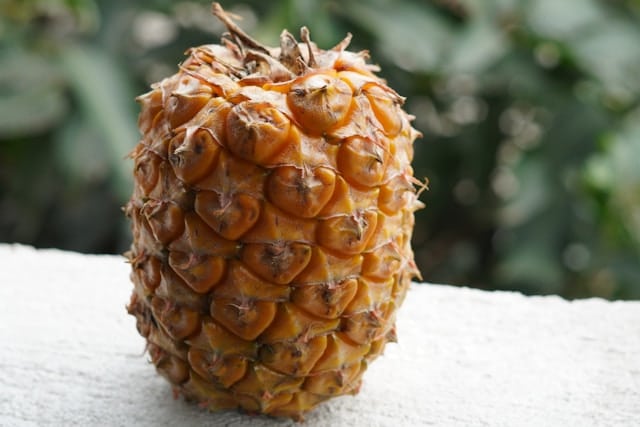
Among the most distinctive attributes of pineapple is bromelain, a proteolytic enzyme found almost exclusively in this fruit. Bromelain is renowned for its aiding in the digestion of dietary proteins, making it easier for the stomach and intestines to break them down into absorbable amino acids. The use of bromelain in complementary medicine and food science is well documented. According to the National Center for Complementary and Integrative Health (NCCIH), bromelain is used not only as a digestive aid but is also researched for its anti-inflammatory and wound-healing properties.
There is growing scientific evidence suggesting that bromelain consumption may help manage inflammatory conditions, including certain types of joint pain and soft tissue injuries, and support balanced immune system function. Including fresh pineapple as part of a diverse diet could help individuals with occasional digestive discomfort or those seeking non-pharmaceutical strategies for managing mild inflammation.
Supporting Age-Related Health and Preventing Illnesses

Nutrition plays an integral role in healthy aging, and pineapples contribute significantly to this process. Regular pineapple consumption is associated with a reduced risk of age-related illnesses such as macular degeneration, cognitive decline, and premature skin aging, thanks to its broad spectrum of antioxidants, vitamins, and minerals.
Oxidative stress, caused by an imbalance between free radical production and antioxidant defenses, is a driver of aging. The antioxidants in pineapple, including vitamin C, beta-carotene, and various polyphenols, help counter free radicals, reducing cellular damage. Additionally, the nutrients in pineapple assist in preventing or mitigating common age-related nutritional deficiencies.
Furthermore, ongoing research continues to evaluate how the regular intake of brightly colored fruits like pineapple could offer protective effects against chronic diseases such as cardiovascular disease and certain forms of cancer, though more long-term, high-quality studies are needed for well-rounded conclusions.
Pineapple and Skin Health

Pineapple does not only benefit internal systems—it also exerts visible effects on skin health. The antioxidants in pineapple, especially vitamin C, play a pivotal role in minimizing skin damage triggered by environmental pollution and UV exposure. Vitamin C’s critical involvement in the production of collagen ensures that skin remains firm, smooth, and elastic.
Regular intake of vitamin C-rich fruits is correlated with a slower onset of wrinkles, improved skin texture, and even skin tone, as shown by dermatological research published in “Dermato-Endocrinology” and other scientific journals. By fighting oxidative stress and supporting ongoing collagen synthesis, pineapple consumption may be seen as a natural nutritional strategy for maintaining healthy, youthful skin.
Digestive Wellness: Bromelain and Dietary Fiber

The digestive benefits of pineapple are twofold, owing to its content of both bromelain and dietary fiber. Dietary fiber is vital for maintaining gut health, regular bowel function, and colon health. One cup of pineapple delivers over 2 grams of fiber, contributing to the daily recommended intake.
Bromelain supplements the action of digestive juices, supporting more thorough protein digestion and potentially alleviating symptoms of bloating or mild indigestion. The combined effect of pineapple’s fiber and enzyme profile makes it an excellent choice for those wanting to support gut motility, promote a diverse microbiome, and reduce the risk of constipation.
Nutritional experts suggest that individuals looking to naturally support their digestive health can enjoy pineapple as part of a balanced breakfast, in smoothies, salads, or as a light and nutritious dessert.
Ways to Incorporate Pineapple into Your Diet
Pineapple’s culinary versatility is another reason it remains popular in kitchens worldwide. From enjoying fresh pineapple on its own to blending it into smoothies, adding it to fruit salads, salsas, or even incorporating it into savory dishes with chicken or seafood, there are countless creative possibilities. Nutritionists recommend consuming pineapple in its freshest form to retain the highest amounts of nutrients and avoid added sugars often present in canned versions.
Expert Opinions and Current Research
The scientific community largely agrees on pineapple’s nutritional value and health benefits when consumed as part of a varied, balanced diet. The World Health Organization and the U.S. Centers for Disease Control and Prevention both emphasize the importance of regular fruit and vegetable consumption for maintaining overall health and reducing the risk of chronic illnesses. Clinical research on bromelain’s uses for digestive health and inflammation is ongoing, with some studies highlighting its potential role in complementary therapies but with the caveat that more research is needed for definitive medical claims.
As always, individuals with certain health conditions, allergies to pineapple, or those on medication that might interact with high amounts of bromelain should consult healthcare professionals before significantly increasing their intake.
Societal and Global Health Impact
Pineapple is cultivated worldwide, from the tropical regions of South America to Southeast Asia and Africa, making it a staple in many cultures. Its accessibility and dense nutrient content can play a meaningful role in combating micronutrient deficiencies—especially in regions where fresh fruit is a critical part of the local diet. Public health experts advocate for increased fruit variety and consumption to address non-communicable diseases globally, with pineapple regularly noted in nutritional guidance.
In summary, whether your focus is on bolstering immunity, enhancing skin vitality, improving digestion, or supporting healthy aging, adding pineapple to a balanced diet offers both tasty enjoyment and proven health advantages. With increasing public awareness and ongoing research, pineapple continues to earn its acclaim as a vital component of healthful, modern diets.
Sources
- U.S. Centers for Disease Control and Prevention (CDC)
- UK National Health Service (NHS)
- World Health Organization (WHO)
- Mayo Clinic
- BBC Good Food
- National Institutes of Health – Vitamin C Factsheet
- Dermato-Endocrinology (NIH)
Disclaimer: This content is intended for entertainment purposes only and is not based on real events.