
When Checking Into a Hotel, Put Your Suitcase in the Bathtub First—Here’s Why
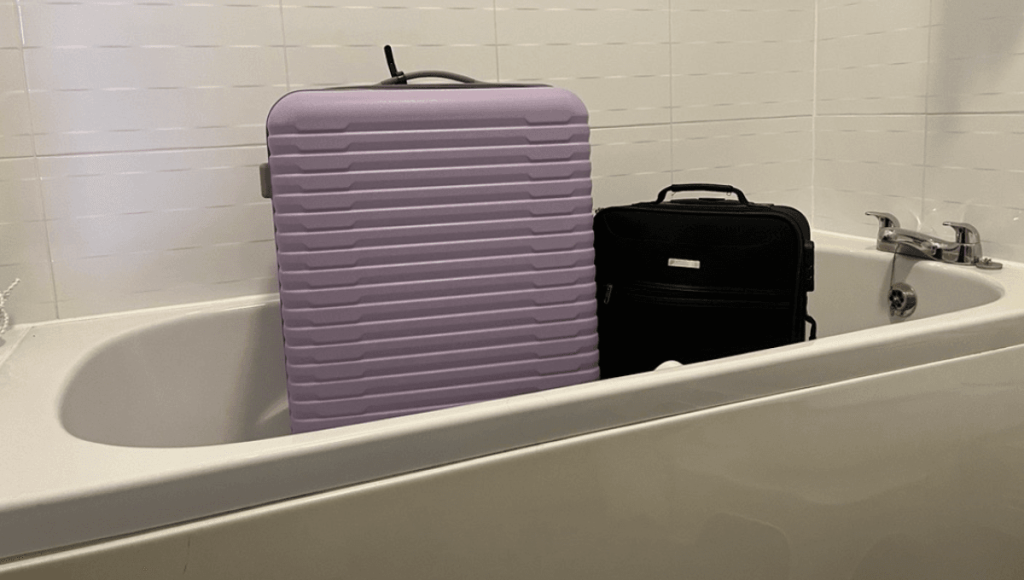
Traveling can be an exciting experience, whether for business or leisure, but it also comes with its own set of challenges. One unexpected tip that has garnered attention among seasoned travelers and experts alike is to place your suitcase in the hotel bathtub immediately after checking in, rather than on the bed or a luggage rack. Although this may seem odd at first glance, this practice is rooted in a proactive effort to prevent one of the most persistent and uncomfortable problems faced by travelers: bedbug infestations.
In this article, we delve into the reasons behind this advice, explore how to check your hotel room for bedbugs, and provide practical guidance on protecting your belongings and your peace of mind. With expert input and current data, we also examine the scope of bedbug issues in hotels and offer actionable steps to mitigate the risk.
Understanding the Bedbug Problem: Why the Bathtub?
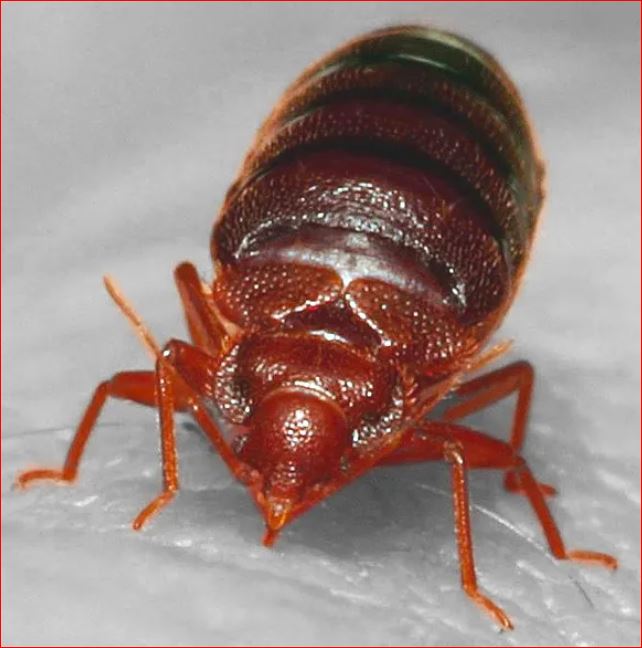
Bedbugs (Cimex lectularius) are small, elusive insects that feed on blood and can survive in a variety of human environments, especially where people sleep or store personal items. They are notorious for their ability to hide in secluded locations such as mattresses, box springs, headboards, and upholstered furniture. These pests can latch onto luggage, clothing, or other belongings and hitchhike to new locations, including travelers’ homes.
The rationale behind placing your suitcase in the bathtub stems from an understanding of these bugs’ behavior and biology. According to Katelyn Kesheimer, PhD, an entomologist, bedbugs generally avoid smooth, nonporous surfaces like those found in bathrooms. Bathtubs, specifically, are inhospitable environments for bedbugs: the surface is slippery, offers no hiding spots, and is far removed from the bed or upholstery where they prefer to reside.
Expert Recommendations on Preventing Bedbug Infestation While Traveling
Dr. Kesheimer advises keeping your luggage in the bathroom during your initial inspection of the hotel room. This approach is echoed by travel expert Marla Cimini, who notes that bedbug issues are not exclusive to budget hotels; they can occur in accommodations ranging from budget to luxury. She emphasizes the importance of taking precautions every time you stay in a new location, regardless of its perceived cleanliness or reputation.
The prevalence of bedbug infestations across the United States reinforces the need for vigilance. A 2024 study by pest control company Orkin listed Chicago, New York, and Philadelphia as the top cities for bedbug problems, underscoring that these pests can be found virtually anywhere people travel and stay overnight.
The Science Behind Safe Luggage Placement
The bathroom is considered the safest place for your luggage when inspecting your hotel room. There are several reasons for this:
- Inhospitable Surfaces: Tile and enamel surfaces in bathrooms are slippery and do not provide the warmth or texture that bedbugs seek for hiding and breeding.
- Routine Cleaning: Bathrooms are cleaned more thoroughly between guests, especially towels and bathmats, reducing the likelihood of bedbug presence.
- Limited Exposure: Guests usually spend less time in bathrooms compared to sleeping and lounging areas, making the bathroom a less attractive environment for bedbugs.
Even if your hotel room lacks a bathtub, using the shower stall serves the same purpose. However, travelers should remember to remove their belongings before using the shower for its intended purpose.
How to Perform a Thorough Bedbug Inspection Upon Arrival
To minimize the risk of bringing bedbugs home, it is critical to inspect your hotel room thoroughly upon arrival. Here is a detailed step-by-step guide, recommended by entomologists and pest control professionals:
- Inspect the Bedding: Fold back the top sheet and carefully check for bedbugs or dark spots (which could be fecal stains or droppings) on the surface of the bottom sheet.
- Check Underneath: Untuck the bottom sheet at the corners and sides, exposing the mattress. Look for live bugs, their shed skins, eggs, or blackish spots along seams and edges.
- Examine the Mattress: Pay particular attention to seams, tufts, and any zipped areas of the mattress. Bedbugs tend to cluster in these tight, protected spaces.
- Check the Box Spring: Gently slide the mattress aside and inspect the box spring beneath, especially along seams, folds, and any cracks in the frame.
- Headboards and Upholstery: If the headboard is upholstered or tufted, closely examine it, particularly at the seams and where it meets the wall. Bedbugs sometimes hide in the small cracks or crevices behind or under the headboard.
Early detection is crucial. If you find any evidence of bedbugs, notify the hotel staff immediately and request a different room—ideally not adjacent to the affected one, as bedbugs can migrate between rooms via walls and utility lines.
Why Not Use the Luggage Rack?
While many hotels provide luggage racks for guests’ convenience, these racks can potentially harbor bedbugs if not regularly inspected and cleaned. Some racks have fabric straps, which can serve as hiding spots. Similarly, placing luggage directly on the bed exposes you to even greater risk, as beds are bedbugs’ preferred habitat. Using the bathroom for your suitcase is a simple precaution that adds an extra layer of protection during your travels.
How to Spot Bedbugs: Signs to Watch For
Not all evidence of bedbugs is obvious. Here are common signs to look for during your inspection:
- Live bugs: Adult bedbugs are small (about the size of an apple seed), reddish-brown, and flat.
- Eggs and shells: These appear as tiny, whitish grains clustered in protected spots.
- Dark spots: These are bedbug excrement and may bleed into fabric like a marker.
- Musty odor: In severe infestations, a sweet, musty scent may be noticeable.
What To Do If You Suspect Bedbugs in Your Luggage
If, despite your precautions, you suspect that your luggage has become infested with bedbugs, you can take several effective steps to eliminate them:
- Steam Cleaning: Use a steam cleaner on all sides and seams, paying particular attention to cracks and corners. Steam at temperatures of 120–140°F can kill bedbugs and their eggs.
- Thorough Vacuuming: Carefully vacuum every surface, interior, and crevice of your suitcase. Dispose of the vacuum bag immediately after use to prevent reinfestation.
- Freezing: Place your suitcase in a freezer set below 0°F (-18°C) for several days. This method can kill both mature bugs and eggs.
- Repeat Treatment: After freezing, vacuum the suitcase again to ensure any remaining debris or eggs are removed.
These methods, recommended by entomologists and pest control professionals, can provide peace of mind that your belongings are pest-free before you bring them back into your home.
Traveling Smart: Additional Tips to Avoid Bedbugs
- Pack smart: Consider using hard-shell luggage, which offers fewer hiding places for bedbugs compared to fabric suitcases.
- Plastic bags: Store your clothes in sealable plastic bags inside your suitcase. This makes it more difficult for bedbugs to access your belongings.
- Laundry precautions: When returning home, immediately wash and dry all clothing on the highest heat setting safe for the fabric. Heat is effective in killing both bugs and eggs.
- Ongoing vigilance: Periodically inspect your luggage and travel gear, even when not traveling, to detect any early signs of bedbug activity.
International and Societal Impact of Bedbugs in Travel
Bedbug infestations are not just a concern in the United States. Major tourism destinations worldwide, from Paris and London to Sydney and Tokyo, have reported periodic outbreaks affecting hotels, public transportation, and even movie theaters. The resurgence of bedbugs over the past few decades is partly attributed to increased international travel and resistance to certain insecticides. According to the Centers for Disease Control and Prevention (CDC) and other public health authorities, bedbugs are not known to transmit disease, but their bites can cause allergic reactions, psychological distress, and lead to secondary infections due to scratching.
Hotels and travel providers continue to invest in pest control strategies, regular inspections, and public education campaigns to reassure guests and maintain trust. Travelers, for their part, can play a vital role in prevention and detection, contributing to safer and more comfortable journeys for all.
Conclusion: Small Steps for a Stress-Free Stay
In conclusion, putting your suitcase in the hotel bathtub may seem unconventional, but it is grounded in scientific understanding of bedbug behavior and offers a practical, effective strategy for travelers to protect themselves. With rising international travel and the persistent challenge of bedbugs, simple habits such as conducting a thorough room inspection and careful luggage placement can go a long way in safeguarding your belongings and ensuring a worry-free stay.
Next time you check into a hotel, remember this easy tip. Your clothes, your suitcase, and your peace of mind will thank you.
Sources
- Centers for Disease Control and Prevention (CDC)
- Mayo Clinic – Bedbugs Overview
- BBC News – Bedbugs: Everything You Need to Know
- Reuters – Chicago Tops 2024 Bedbug List
- Orkin – 2024 Top 50 Bed Bug Cities
Disclaimer: This content is intended for entertainment purposes only and is not based on real events.