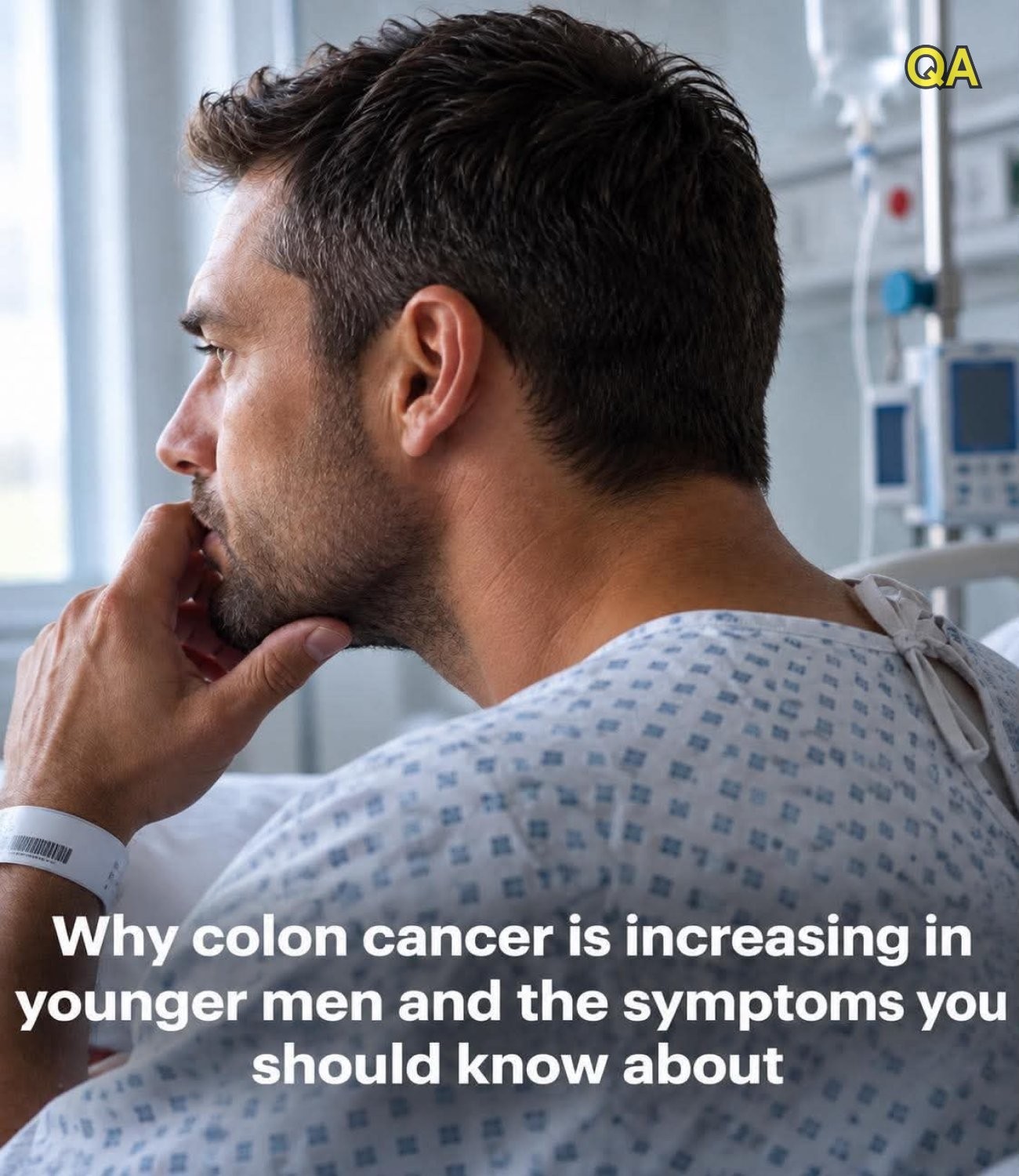
Colorectal cancer, which originates in the colon or rectum, has long been recognized as a significant health challenge, particularly among older adults. However, recent years have seen a worrying trend: an increasing number of younger people are being diagnosed with this disease. One area of rapidly developing research is the possible link between non-alcoholic fatty liver disease (NAFLD) and early-onset colorectal cancer. Driven by new scientific findings, medical experts are reevaluating not just the causes but also the screening and prevention recommendations for younger populations. This article provides a comprehensive, evidence-based overview of this topic, including insights into risk factors, genetic and biological distinctions, patient stories, and ongoing research efforts around the globe.
Understanding Colorectal Cancer: What Is It?
According to the American Cancer Society, colorectal cancer usually begins as a small growth, known as a polyp, on the inner lining of the colon or rectum. While many polyps remain benign, some can develop into cancer over time if left untreated. Colorectal cancer is the second leading cause of cancer-related deaths in the United States, with approximately 153,020 new diagnoses expected in 2023 and more than 52,000 lives lost to the disease.
Changing Trends: The Rise of Early-Onset Colorectal Cancer
Traditionally, colorectal cancer has been associated with those aged 50 and older. Yet, researchers and clinicians are now witnessing a disturbing rise in cases among younger adults, often with no clear family history or identifiable risk factors. Data from leading cancer organizations show that a growing percentage of new diagnoses are occurring in people under 50, prompting urgent calls to reconsider established screening guidelines and to develop targeted interventions for this age group.
Discovering the Role of Non-Alcoholic Fatty Liver Disease (NAFLD)
A key development in understanding early-onset colorectal cancer is the association with NAFLD. NAFLD covers a spectrum of liver conditions characterized by excess fat buildup in liver cells, not caused by alcohol consumption. Early stages of NAFLD may not cause noticeable symptoms, making it difficult to detect. However, as the condition progresses, it can contribute to serious health complications, including type 2 diabetes, high blood pressure, and kidney disease. Recent research also suggests a possible link between NAFLD and colorectal cancer risk, particularly in younger individuals.
In a significant South Korean study published in ScienceDirect, researchers found that people under 50 with a history of NAFLD were 24% more likely to develop colorectal cancer compared to peers without the condition. According to the research team, one possible explanation is that inflammation associated with NAFLD can affect other organs, including the colon, potentially triggering the development of cancerous cells. While more research is necessary, this growing body of evidence places a new spotlight on NAFLD as a “silent” but critical risk factor for early-onset colorectal cancer.
Why Is NAFLD So Widespread?
NAFLD has become increasingly common worldwide, paralleling rising rates of obesity, sedentary lifestyles, and diets high in processed foods and sugar. Unlike other liver disorders, NAFLD is not linked to alcohol abuse, and its initial stages are typically asymptomatic. However, the progression from fatty liver to more serious forms, such as non-alcoholic steatohepatitis (NASH), can result in chronic inflammation, scarring, and, as new studies indicate, heightened cancer risks. The American Liver Foundation estimates that nearly 100 million Americans have NAFLD, with similar trends seen internationally in both developed and developing nations.
Expert Analysis: Connecting Lifestyle Shifts and Cancer Risk
Rebecca Siegel, a senior scientist at the American Cancer Society, emphasizes the possibility that changes in diet, physical activity, and other behaviors introduced in recent decades may underlie the increase in early-onset colorectal cancer. The proliferation of high-calorie, low-fiber diets and increased sedentary habits could contribute not only to NAFLD but also to broader metabolic dysfunction that creates an environment conducive to cancerous growth. This is consistent with epidemiological data showing higher colorectal cancer rates in populations experiencing rapid westernization of lifestyle.
How Early-Onset Colorectal Cancer Is Different from Traditional Cases
Recent research has shown that colorectal cancers in younger adults are not only increasing but may be biologically distinct from those in older patients. Dr. Scott Kopetz, an oncologist at MD Anderson Cancer Center, notes that early-onset colorectal cancers often arise in different regions of the colon and exhibit unique genetic mutations, suggesting that the underlying mechanisms could be different. These findings have led researchers to view early-onset cases as a potential “new variant” of the disease, warranting specialized study.
Dr. Kimmie Ng, director of the Young-Onset Colorectal Cancer Center at Dana-Farber Cancer Institute, has observed a growing number of young, seemingly healthy patients—including athletes and nonsmokers—with advanced forms of colorectal cancer. One particularly striking case involved a 29-year-old Marine with no family history and exemplary health habits who was diagnosed with stage IV colorectal cancer. Such cases challenge previous assumptions about risk and reinforce the need for vigilance in all age groups.

The Role of Underlying Biology and Genetics
Ongoing genetic studies reveal that tumors in younger adults often have distinct molecular features, making them both more aggressive and sometimes more responsive to certain treatments. For example, immunotherapy trials for patients like Greg Mancini, diagnosed at 38, have seen significant reductions in tumor size, offering hope for more effective personalized therapies in the future. Nonetheless, most younger patients are still diagnosed at later stages—according to survey data from the Colorectal Cancer Alliance, roughly 71% present with stage III or IV disease—underscoring the importance of early detection and proactive care.
Symptoms and the Importance of Early Detection
One of the challenges with both NAFLD and colorectal cancer is the lack of obvious symptoms in early stages. Common warning signs for colorectal cancer can include persistent changes in bowel habits, rectal bleeding, unexplained weight loss, fatigue, and abdominal discomfort. However, these are often overlooked or misattributed in younger adults and people without known family history. At-home screening kits are available and recommended for people over a certain age or at increased risk, but medical consultation is essential for anyone—regardless of age—experiencing concerning symptoms.
Treatment Approaches and Survival Rates
While the overall five-year survival rate for localized colorectal cancer is relatively high, advanced-stage cancers have much lower rates. For example, stage IV cases—where the cancer has spread to distant organs—have a five-year survival rate of approximately 14%. Still, there is hope: combination treatments, including surgery, chemotherapy, radiation, and innovative immunotherapies, have led to positive outcomes for some patients, even with advanced disease. Continued research and improved awareness may help further close the survival gap for young adults diagnosed at later stages.
Addressing Racial Disparities in Outcomes
Significant racial disparities exist in colorectal cancer diagnosis and outcomes. Black patients, for instance, face a 40% higher mortality rate, driven by factors including lower rates of insurance, delayed diagnosis, and differences in tumor biology. Addressing these disparities through equitable access to screening, education, and treatment is a crucial part of reducing the overall disease burden.
Prevention Strategies and the Future of Research
Until more definitive answers emerge regarding the links between NAFLD and colorectal cancer, experts stress the importance of established healthy lifestyle choices to lower cancer risk. These include consuming diets rich in fiber and low in processed foods and sugars, exercising regularly, avoiding tobacco use, and minimizing consumption of red and processed meats. Ongoing research at premier centers such as Dana-Farber Cancer Institute, Memorial Sloan Kettering Cancer Center, and MD Anderson Cancer Center is exploring everything from genetic and environmental risk factors to the role of the gut microbiome. For example, a $25 million study at Dana-Farber is investigating how diet, medication, and gut bacteria influence cancer development in younger adults.
What Should Patients and the Public Do?
Awareness and self-advocacy are vital. Individuals who experience persistent bowel changes, bleeding, or other concerning symptoms should contact their healthcare provider without delay, regardless of age or perceived risk. Providers, in turn, should be vigilant about the growing incidence of early-onset colorectal cancer, especially in patients without traditional risk factors. Ultimately, increasing early diagnosis through expanded screening and educating the public may be the most effective tools for improving survival and reducing the burden of colorectal cancer in young people.
International Perspectives and Societal Reactions
This rising trend of early-onset colorectal cancer is not just an American phenomenon. International health agencies and cancer research centers in Europe, Asia, and Australia are observing similar patterns. Collaborative efforts are underway to harmonize screening guidelines, develop better diagnostic markers, and ensure global awareness of the risk factors. Public health campaigns stress the necessity of lifestyle modification, destigmatization of digestive health symptoms, and equitable healthcare access—all to combat a disease that, increasingly, knows no age boundaries.
Conclusion
The emerging link between non-alcoholic fatty liver disease and early-onset colorectal cancer highlights the complex interplay of lifestyle, genetics, and broader metabolic health in cancer risk. With young people facing rising rates of both NAFLD and colorectal cancer, the imperative for early detection, research, and preventive action has never been greater. While many questions remain, science-backed lifestyle changes—supported by regular medical screening and public education—offer a clear path to lowering risk and improving outcomes now and into the future.
Sources
- American Cancer Society
- ScienceDirect
- Men’s Health
- National Cancer Institute
- CDC
- WHO
- American Liver Foundation
- Dana-Farber Cancer Institute
Disclaimer: This content is intended for entertainment purposes only and is not based on real events.