
Unveiling the Power of Cloves: Health Benefits and Home Remedies Every Woman Should Know
Hidden within the average kitchen spice rack lies a powerful and versatile natural remedy: the clove. What appears at first glance to be a small, fragrant bud is, in fact, a botanical powerhouse steeped in tradition and validated by modern science. Though cloves are often celebrated for their distinct aroma and flavor, new research continues to reveal their remarkable benefits for human health. This in-depth guide explores the origins, nutritional advantages, medicinal applications, and scientific insights surrounding cloves, helping you make informed choices about introducing this spice into your daily wellness routine.

The Historical and Cultural Significance of Cloves
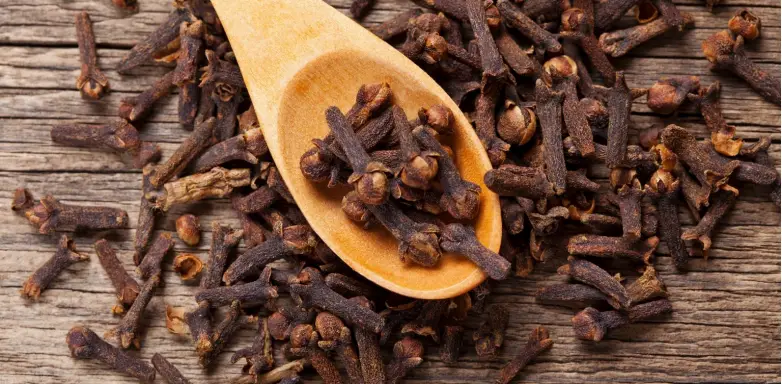
Cloves, the dried flower buds of the Syzygium aromaticum tree, have a long and storied history in both culinary and medicinal contexts. Native to the Maluku Islands of Indonesia, cloves were highly prized commodities in the ancient spice trade. Ancient Chinese, Ayurvedic, and Middle Eastern medicine have celebrated cloves for their antimicrobial, analgesic, and digestive properties for centuries. From Hippocrates in Ancient Greece prescribing cloves for oral health, to their pivotal role in medieval European apothecaries for combating infection, cloves have been integrated into healing practices globally.
Understanding the Nutritional Profile of Cloves
Cloves are not just aromatic; they are also packed with a diverse spectrum of bioactive compounds that enhance health:
- Eugenol: This primary active compound in cloves is largely responsible for their potent antiseptic, pain-relieving, and anti-inflammatory effects.
- Vitamins and Minerals: Cloves contain significant amounts of manganese, vitamin K, vitamin C, calcium, and magnesium.
- Antioxidants: Compounds such as flavonoids, phenolic acids, and beta-carotene help neutralize free radicals, reducing oxidative stress in the body.
- Dietary Fiber: Cloves contribute to digestive health through their fiber content.
Scientifically Supported Health Benefits of Cloves
Modern scientific studies back many of the traditional uses attributed to cloves. Here are some of the most notable health benefits supported by research and clinical experience:
1. Natural Antimicrobial and Immune Support
Cloves exhibit a strong antimicrobial profile, especially against common bacteria (such as Escherichia coli and Staphylococcus aureus) and fungi, due in large part to eugenol. Studies published in journals such as Journal of Natural Science have demonstrated that clove oil can inhibit the growth of a range of pathogens. This makes cloves a valuable addition to natural strategies for supporting the body’s defenses, particularly in an era of increased antibiotic resistance.
2. Analgesic and Pain Relief Uses
Clove oil is renowned for its numbing effect, which is utilized for pain management, especially in dental care. The American Dental Association recognizes eugenol as an effective local anesthetic and antiseptic for dental pain and gum infections. Applying a diluted clove oil solution provides temporary relief from toothaches, mouth sores, and minor aches.
3. Digestive Health and Support
Cloves have long been used to relieve digestive discomforts such as indigestion, bloating, nausea, and gas. The spice stimulates the secretion of digestive enzymes, promotes healthy peristalsis, and soothes the gut lining. According to research from the Journal of Medicinal Food, cloves also help reduce symptoms of gastric irritation and may protect against the formation of stomach ulcers.
4. Antioxidant Properties and Cellular Health

Cloves are ranked among the top spices for antioxidant content. Antioxidants combat free radicals, slowing premature cellular aging and reducing the risk of chronic diseases, including cardiovascular disease and certain cancers. A study in the journal Food & Function found that cloves’ high levels of phenolic compounds contribute to their robust free radical scavenging activity, making them powerful allies in anti-aging and overall vitality support.
Easy and Effective Clove-Based Home Remedies
Incorporating cloves into your wellness routine can be both simple and enjoyable. Here are several evidence-based preparations you can try safely at home:
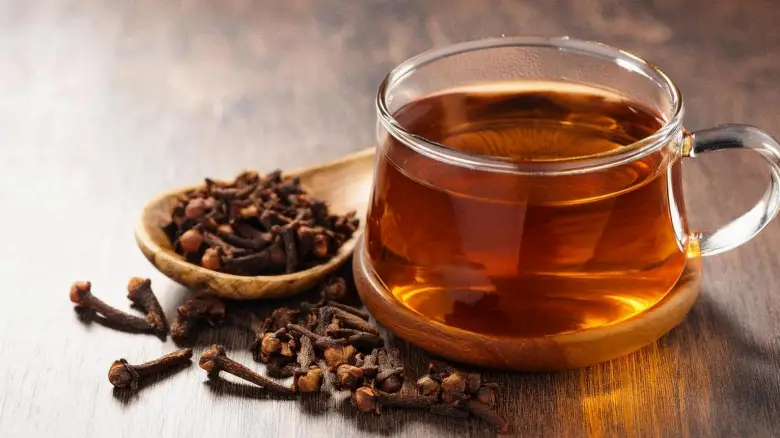
Clove Infusion Tea
- Boil 2 cups of water.
- Add 4–5 whole cloves, simmer for 10 minutes.
- Strain and sweeten with honey if desired.
- Sip as a digestive tonic or for soothing relaxation before bed.
This tea supports digestion and provides calming effects, making it useful for minor gastrointestinal discomfort or nighttime restlessness.
Clove Steam Inhalation
- Boil water and add a generous handful of whole cloves.
- Remove from heat, carefully lean over the pot, and cover your head with a towel to trap the steam.
- Inhale deeply for 5–10 minutes.
Steam inhalation with cloves may help clear congested sinuses, ease minor upper respiratory symptoms, and refresh the skin.
DIY Clove Tincture
- Fill a glass jar with dried whole cloves.
- Pour in 70% alcohol (such as vodka) to cover the cloves completely.
- Seal and store in a cool, dark place for two weeks, shaking the jar occasionally.
- Strain the mixture, and use a small amount (2–3 drops) on the gums to help ease occasional toothache. Shake before each use.
This tincture utilizes the analgesic and antimicrobial effects of cloves for spot use, especially for oral discomfort. Always dilute and use cautiously to avoid irritation.
Precautions and Responsible Use
Although cloves offer a range of health benefits, it’s important to adhere to safety guidelines to minimize risks:
- Pregnant or breastfeeding women should consult their healthcare provider before using cloves medicinally or as supplements, as high doses may not be safe.
- Clove oil should never be ingested undiluted; always dilute significantly and perform a patch test before topical use to check for allergic reactions.
- Individuals taking blood thinners or those with liver disorders should seek medical advice before using cloves, due to possible interactions.
- In children, avoid direct application of clove oil due to the potential for adverse effects.
Adhering to these precautions helps ensure that cloves can be enjoyed as part of a holistic, balanced wellness approach.
Expert Perspectives and Current Research Frontiers
Medical and nutrition experts increasingly recognize cloves’ therapeutic potential, but they also caution against considering them a replacement for standard medical treatment. Dr. Michael Greger, a renowned physician and author, notes that culinary spices such as cloves represent a valuable adjunct in a healthy diet, thanks to their high antioxidant and micronutrient content. Meanwhile, ongoing research funded by organizations like the National Institutes of Health (NIH) continues to explore the clinical efficacy of cloves for chronic inflammatory conditions, oral bacteria control, and preventive health strategies.
International and Societal Perspectives
Cloves are cherished in cuisines across India, China, the Middle East, Africa, and Europe. Their use is not limited by borders, bringing both flavor and function to traditional and contemporary dishes alike. In Indonesia, cloves are a cultural symbol with centuries of export history, while in Western societies, the spice is increasingly included in nutraceutical and herbal supplement products. The global appreciation of cloves highlights the enduring intersection of tradition, science, and practical daily health.
Conclusion: Sprinkling Wellness Into Daily Life
Cloves are much more than a fragrant kitchen staple—they are a multifaceted asset to overall health and well-being. From supporting antimicrobial defense and pain relief to nurturing digestive and cellular health, the humble clove offers evidence-based advantages for those seeking natural approaches to wellness. By responsibly incorporating clove-derived remedies into your routine while observing safety precautions, you can harness both the flavor and healthful heritage of this time-tested spice.
The wide appeal and growing interest in cloves underscore the importance of revisiting ancient wisdom with scientific scrutiny, making this spice not only a culinary delight but also a meaningful contributor to modern-day health.
Sources
- World Health Organization (WHO) – Spice Facts
- Centers for Disease Control and Prevention (CDC) – Spices and Food Safety
- BBC Good Food – Health Benefits of Cloves
- Reuters – Clove Oil in Dental Health
- Mayo Clinic – Clove Supplement Information
- The Guardian – Spice Health Benefits
- Journal of Natural Science
- Journal of Medicinal Food
- Food & Function Journal
Disclaimer: This content is intended for entertainment purposes only and is not based on real events.