How to Tell If an Egg Is Fresh or Spoiled: The Science Behind the Water Test
Understanding whether an egg is fresh or spoiled is an essential part of kitchen safety, yet the answer does not rely on specialized equipment or complicated laboratory tests. One simple method—the water test—reveals valuable information about the age and potential safety of an egg. This article explores the underlying science, procedures, and limitations of this common kitchen practice, providing insight and guidance for consumers seeking to ensure their eggs are safe to eat.
The Water Test: How It Works
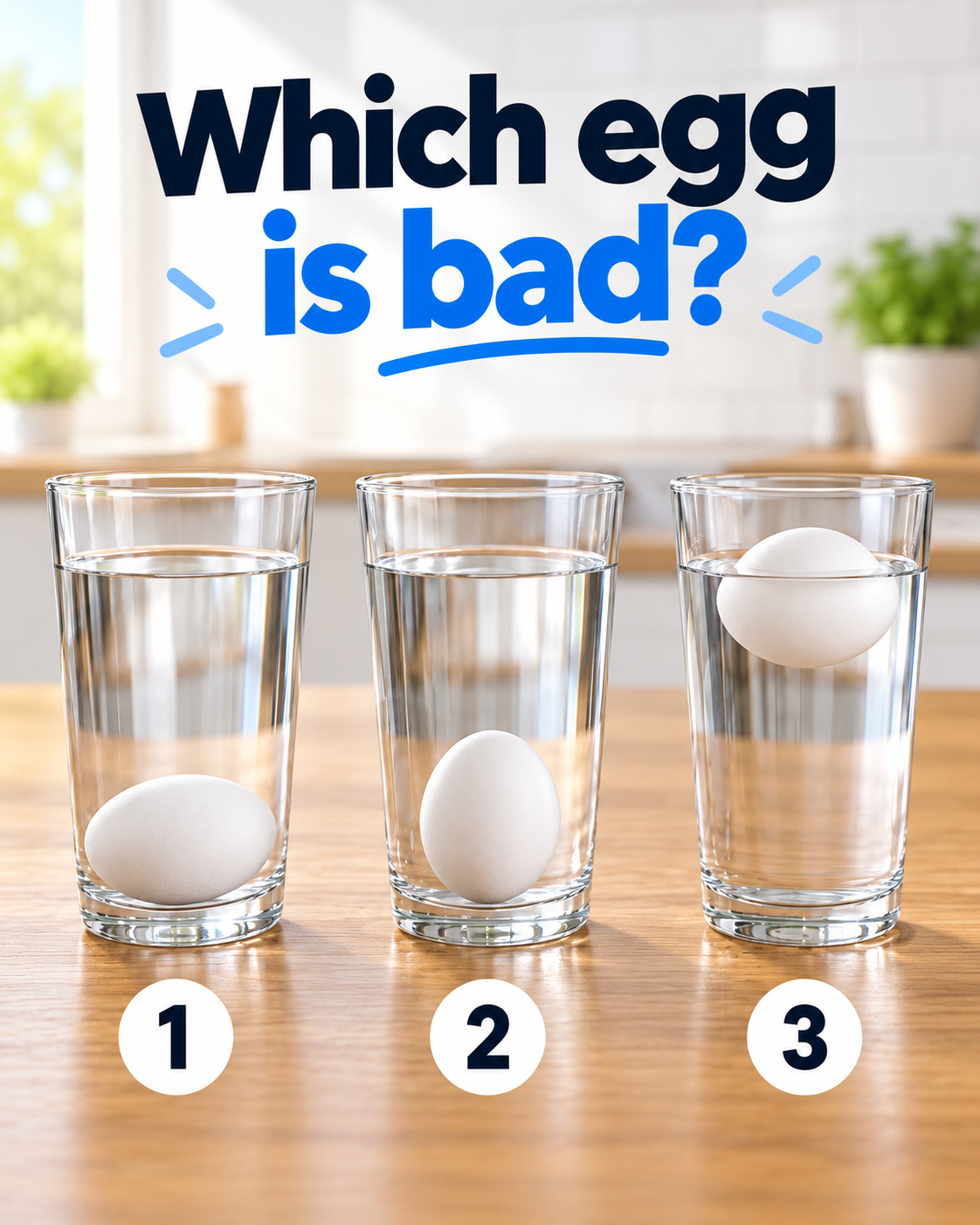
When you place an egg in a glass of water, its behavior reveals clues about its internal condition. Let’s examine the three possible results using the following visual example:

At first glance, eggs in the image may appear nearly identical. Yet, subtle differences in their positions in water correspond to significant changes within the egg as it ages. Carefully observing how each egg reacts can help you assess their freshness and safety.
The Science Behind Egg Aging
To understand these reactions, it’s important to know what happens inside an egg over time. A freshly laid egg has a shell filled with thousands of microscopic pores. Through these pores, moisture and gases slowly escape as the egg ages. This loss of moisture leads to an expansion of the egg’s internal air cell—a space between the membrane and shell usually located at the wider end of the egg.
The gradual enlargement of the air cell is fundamental to the water test, because it changes the buoyancy of the egg. Gases and moisture inside the egg decrease, and as the air cell grows, the egg becomes less dense relative to water. This process also contributes to changes in the yolk and albumen (egg white), affecting both texture and quality.
Interpreting the Water Test Results
There are three typical behaviors to look for when placing an egg in water:
- Egg 1: Sinks and Lies Flat
When an egg settles at the bottom and rests flat, it likely has a relatively small air cell and retains much of its original moisture. This is a key indicator of freshness, as the egg remains dense and has not yet lost significant internal gases. - Egg 2: Sinks, But Stands Upright
An upright position suggests the air pocket inside has increased, tipping the balance and causing one end of the egg to rise. Such eggs are older than those that lie flat, but age alone does not indicate spoilage. Many eggs that stand upright remain safe and usable, especially if properly refrigerated and within their labeled date of expiration. - Egg 3: Floats Near the Surface
Floating occurs when the air cell has grown considerably, making the egg more buoyant. An egg that floats is typically the oldest in the group. However, buoyancy alone does not signify that an egg is dangerous or spoiled.
It is crucial to remember that the water test estimates age, but not definite safety. While a floating egg is more suspect, the only reliable way to know if an egg has gone bad is through further inspection.
Limitations of the Water Test
The water test is an effective tool for gauging egg freshness, but it has important limitations. It cannot detect the presence of harmful bacteria like Salmonella or other pathogens. Spoilage is influenced by several factors beyond age, including how the egg has been stored, its exposure to temperature fluctuations, and the cleanliness of the farm where it was produced.
Food safety organizations, such as the United States Department of Agriculture (USDA), urge consumers to use caution. While the water test is a useful preliminary screen, eggs should always be stored in the refrigerator and used within recommended timeframes—typically within three to five weeks after purchase—regardless of their behavior in water.
Best Practices for Checking Egg Safety
If you are uncertain about an egg’s freshness, follow these guidelines for an extra layer of safety:
- Crack the Egg in a Separate Bowl: Always open the egg into a clean, transparent bowl before adding it to other ingredients. Examine the yolk and egg white for any unusual colors, textures, or separation.
- Scent Inspection: A spoiled egg often emits a strong, sulfur-like or rotten odor. If the egg smells unpleasant, discard it immediately.
- Visual Signs: Look for cloudy whites, pink or iridescent spots in the yolk. If you notice anything abnormal, err on the side of caution.
- Check the Expiration Date: Always refer to the “sell by” or “use by” date on the carton, though well-stored eggs can sometimes last a bit longer.
- Consider Storage History: Eggs kept at room temperature spoil much faster than those refrigerated. If the eggs have been left unrefrigerated for an extended period, use extra caution.
Expert Views on Egg Safety
Food safety experts and organizations consistently remind consumers that the water test alone is not sufficient for full confidence. Dr. Jennifer McEntire, a food scientist, explains that “eggs can harbor bacteria internally or externally regardless of their age. Proper handling and cooking remain the key barriers to foodborne illness.”
The World Health Organization (WHO) and Centers for Disease Control and Prevention (CDC) recommend that eggs be cooked thoroughly. Cooking eggs to a temperature of 160°F (71°C) destroys most harmful organisms, making them safe to eat even if their freshness is questionable.
Many countries also have specific guidelines regarding egg washing and storage. For example, in the United States, eggs are washed and refrigerated immediately, while in much of Europe, eggs are often sold unwashed and unrefrigerated, but with comparable results in safety when handling practices are followed.
International and Societal Reactions
The water test is widely recognized and adopted across cultures as a household method for checking eggs, but its popularity stems from more than just convenience. In regions where eggs are a staple ingredient, such as Asia and Europe, consumers share knowledge across generations—a testament to kitchen science passed down by word of mouth. Many cooking websites, food bloggers, and chefs recommend it alongside modern safety protocols.
However, large retailers and public health officials increasingly stress modern standards. Eggs sold commercially undergo rigorous quality controls, from production to packaging and distribution. Labeling requirements, refrigeration protocols, and consumer information campaigns mean most eggs purchased today are safe when handled properly.
In developing countries, the water test remains especially important due to less reliable refrigeration and inconsistent supply chains. Here, simple, reliable home methods are often life-saving for families concerned with food safety.
Why Kitchen Science Matters
Food safety begins with knowledge. The water test is a vivid example of how everyday practices, rooted in scientific principles, empower consumers to make better decisions. It reminds us that while technological advances have improved safety and tracking, simple methods can supplement best practices and provide backup checks.
The differences between eggs that sink or float are not just academic—they reflect physical changes inside the egg that can be understood, tested, and acted upon. When paired with common sense and food safety knowledge, these tests help reduce risk and foster confidence in home cooking.
Summary: Which Egg Should You Avoid?
Returning to the test image, the answer is clear: Egg 3, which floats, is the oldest and most likely to be spoiled. Yet, remember that floating does not necessarily mean danger—only that the egg is aged. Always use further inspection (cracking, smelling, visual checks) before deciding to consume. Egg 1 is the freshest, Egg 2 is older, and Egg 3 is the oldest.
The water test remains a helpful tool for home cooks everywhere, but should be used as part of a complete strategy for food safety. When in doubt, prioritize health and safety: if an egg seems suspicious, it’s best to discard it.
Sources
Disclaimer: This content is intended for entertainment purposes only and is not based on real events.