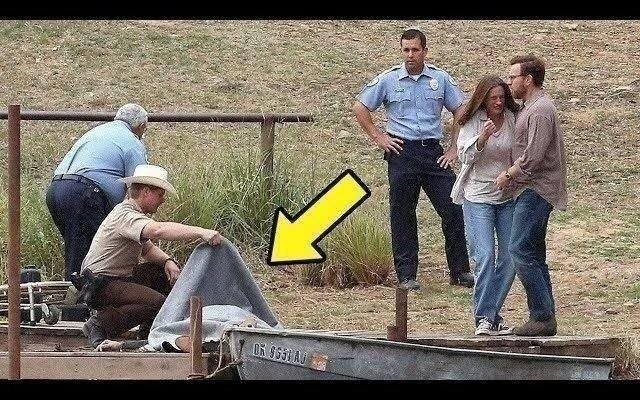
Not her usual look: She wore jeans and layered tops for the part of Barbara Weston
In the acclaimed 2013 film “August: Osage County,” audiences witnessed a remarkable transformation of actors as they stepped into complex and challenging roles. Among them, Julia’s portrayal of Barbara Weston stands out not only for the profound emotional depth she brought to the character but also for her on-screen appearance that departed from her typical look. Donning jeans, layered tops, brown flared trousers, a simple blue shirt, and her hair tied back in a ponytail, Julia embraced a dowdy style to authentically depict Barbara Weston—a choice that became a focal point in the film’s approach to realism.
Behind the Transformation: Costuming and Character Development
The character of Barbara Weston demanded a nuanced interpretation. Julia, known for her elegance and sophistication in previous roles, intentionally stripped away glamour for the part. Her wardrobe, consisting of practical jeans and understated layers, reflected Barbara’s emotional state and everyday struggles. This costume design, crafted by the film’s styling team, aimed to immerse viewers in the reality of the dysfunctional Weston family. According to interviews with the film’s production staff, the costumes were inspired by Midwestern traditions, emphasizing authenticity and relatability.
Hair and makeup followed suit. Julia appeared with her hair pulled back—a stark contrast from her red-carpet style. Her face was often makeup-free, underscoring the vulnerability and rawness required for several emotional scenes. This approach connected her character to real-life individuals facing family crises rather than distant, idealized personalities.
The Star-Studded Ensemble of August: Osage County
While Julia’s transformation set the tone for the film’s realism, “August: Osage County” brought together an impressive cast. The ensemble included Benedict Cumberbatch, who played ‘Little Charles’ Aiken, and renowned actress Meryl Streep, cast as Violet Weston—the matriarch at the heart of the family drama. The film, adapted from Tracy Letts’ Pulitzer Prize-winning play, explores intergenerational conflicts, personal secrets, and the complexities of familial love and resentment.
Other notable members of the cast contributed to the authenticity of the film. Juliette Lewis joined as Karen Weston, bringing both energy and nuance to her role. Abigail Breslin, who was selected over Chloë Moretz for the role of Jean Fordham after an extensive audition process, delivered a compelling performance as Barbara’s daughter. These casting decisions were carefully made to ensure every character felt true to the source material.
Insights Into the Casting Process
The casting journey was filled with deliberations and changes. The IMBd page for the film reflects the depth of consideration that went into the ensemble. Initially, Renée Zellweger and Andrea Riseborough were both in contention for major roles. Riseborough, after being cast, had to withdraw due to scheduling conflicts, leading to Juliette Lewis taking the role of Karen Weston. These shifts are common in Hollywood productions, but in this case, each adjustment ultimately added balance and chemistry to the final product.
The audition process itself was rigorous. Chloë Moretz, a rising star at the time, auditioned for the role of Jean Fordham but lost to Abigail Breslin, whose previous work and interpretative abilities were considered strong fits for the intensity required. Breslin’s selection brought youthful energy and emotional resonance, complementing Julia’s more restrained, matured depiction of Barbara Weston.
Filming Location: Bartlesville, Oklahoma’s Role in Authenticity
“August: Osage County” was primarily filmed in Bartlesville, Oklahoma—a deliberate choice to anchor the film in the distinctive landscape of the American Midwest. The town’s unique character added atmosphere to key emotional scenes. Julia’s dowdy transformation, contextualized by the small-town setting, helped ground the story. Director John Wells emphasized in interviews that shooting on location lent the narrative a more immersive and believable quality. Local residents described the filming as respectful and unobtrusive, with actors occasionally blending in with the community during production.
Capturing emotional scenes required sensitivity and authenticity. Julia’s stripped-back appearance, with little to no makeup and unremarkable clothing, was intended to resonate with the everyday realities of the film’s characters. Costuming, lighting, and set design worked together to create an environment where actors could deliver their most emotionally charged performances.
Exploring Themes: Family, Conflict, and Healing
At its core, “August: Osage County” delves into the tumultuous dynamics of a family in crisis. Julia’s Barbara Weston is torn between loyalty, bitterness, and the pursuit of healing. Throughout the film, she interacts with Violet Weston, played by Meryl Streep, whose dominating presence sets the scene for confrontation and reconciliation. The emotional heft of the story is heightened by the cast’s willingness to inhabit their roles fully, abandoning personal vanity in favor of rough-edged realism.
As the family gathers for the funeral of Beverly Weston, their patriarch, secrets are revealed, tempers flare, and long-suppressed resentments surface. These moments of raw emotion, captured in close-ups and extended dialogue sequences, depend heavily on actors’ ability to evoke real pain and confusion. Julia’s dowdy attire and bare face became visual metaphors for the character’s emotional exhaustion and honesty.
Industry Reactions and Critical Reception
“August: Osage County” received considerable praise for its authenticity and ensemble performances. Critics highlighted Julia’s departure from glamor as evidence of her commitment to the craft. Costume and makeup choices were noted as enhancing the film’s impact, drawing viewers closer to the lived experiences of the characters. The film’s ability to attract and coordinate A-list talent, while maintaining a grounded aesthetic, was seen as a benchmark for modern adaptations of stage plays.
Internationally, the film resonated across cultures, particularly with audiences who relate to the themes of family strife and reconciliation. The choice to film in real locations rather than on constructed sets was lauded by reviewers, who remarked on the sense of place and authenticity that permeated the production.
Expert Views: The Importance of Costume in Cinema
Cinema experts and film historians have commented on the significance of costume design in shaping viewer perceptions. In “August: Osage County,” Julia’s dowdy wardrobe was more than a visual tool—it was part of a larger narrative strategy. As scholar Pauline Noak notes, “Costume is never incidental; it communicates identity, intention, and internal struggle.” Julia’s jeans, layered shirts, and tied-back hair collectively signaled Barbara Weston’s resilience and vulnerability. This attention to detail is increasingly common as filmmakers strive for more immersive and relatable storytelling.
From a production standpoint, the collaboration between actors, directors, and costume designers was central to the film’s success. Interviews with the team reveal an ongoing dialogue about how clothing could reflect character arcs and emotional shifts. Julia herself reportedly worked closely with costume designer Molly Maginnis to finalize Barbara’s wardrobe, seeking pieces that would highlight both her character’s weariness and strength.
Societal Reactions: Relatability and Cultural Impact
The film’s approach to realism, exemplified by Julia’s transformation, sparked discussions about the representation of ordinary people in mainstream cinema. Many viewers appreciated the honest portrayal of personal struggles, commenting on social media and in reviews that the characters felt authentic and familiar. This relatability is seen as a driving force behind the film’s popularity and critical acclaim.
Scholars in cultural studies have pointed out that such depictions foster empathy and understanding, highlighting the value of truthful representation in art. By challenging industry norms around glamour and idealization, “August: Osage County” contributed to broader conversations on the diversity of experiences shown in film. The attentive costuming and directorial choices have been referenced in academic discussions as a model for future projects seeking realism.
Conclusion: The Legacy of August: Osage County
Julia’s transformation for the role of Barbara Weston in “August: Osage County” exemplifies the powerful interplay between costume design, character development, and storytelling. By adopting jeans, layered tops, and understated styles, she contributed to a film that prioritizes honesty and emotional resonance. The collaborative efforts of the cast, crew, and local community resulted in a narrative that resonates with audiences worldwide.
Critical acclaim, coupled with thoughtful industry commentary and societal discussion, ensures that “August: Osage County” will be remembered not only for its star power but also for its commitment to authenticity. The film stands as a testament to the value of realism in cinematic storytelling, setting a precedent for future adaptations and ensemble works.
Sources
Disclaimer: This content is intended for entertainment purposes only and is not based on real events.