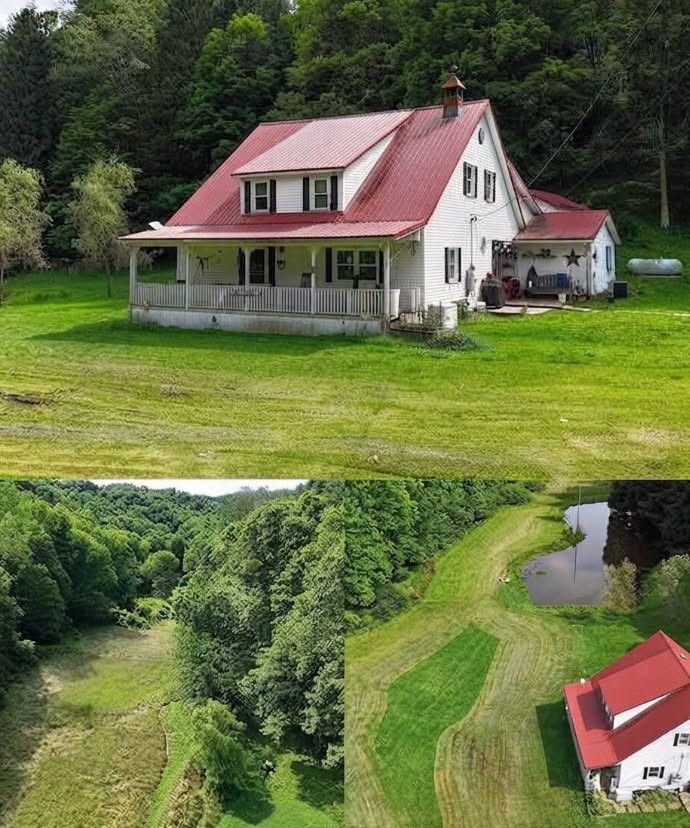
A Seventy-Five Acre Parcel: Opportunities, Challenges, and Long-Term Value
Introduction: The Rarity and Value of Large Parcels
In the modern real estate landscape, large undeveloped properties are becoming increasingly rare. A seventy-five-acre parcel stands as a remarkable opportunity, offering an expansive landscape that is far more than just real estate; it is a canvas for potential, creativity, and long-term vision. In a world where once-vast open areas are increasingly subdivided and absorbed into urban and suburban development, such a property commands attention for its size, flexibility, and prospects for personalized use and sustainable investment.
Natural Features and Existing Landscape
The natural characteristics of seventy-five acres can vary significantly depending on location and history. These parcels may contain mature forests, meadows, rolling hills, or wetlands. Trees, open fields, gentle rises and slopes, old roads, and untouched clearings are all possible within such a landscape. The variety supports not just visual interest but ecological diversity as well. For individuals or families who value the outdoors, this diversity means ample opportunities for walking, hiking, birdwatching, and contemplating nature—pursuits made less feasible on smaller, more densely developed properties.
From an ecological perspective, large acreage can support local wildlife by providing habitat corridors that smaller lots cannot offer. In an era of biodiversity loss, private stewardship of such land can bring environmental benefits to both the owner and the wider community.
Lifestyle and Privacy Benefits
One of the primary draws of owning a large parcel is the lifestyle it enables. The freedom and privacy afforded by seventy-five acres are hard to overstate, especially for those accustomed to smaller suburban or urban properties. With significant distance from neighbors and public roads, landowners can enjoy peace, quiet, and the security of limited outside access.
These factors make such properties appealing for families seeking a private retreat, as well as individuals who desire a meaningful connection with the land. Activities like gardening, hobby farming, ATV riding, horseback riding, or stargazing become more feasible and enjoyable. For those interested in sustainable or off-grid living, the sheer amount of space allows for creative solutions that may not be possible on smaller lots.
Development Potential and Long-Term Planning
Perhaps the greatest advantage of a seventy-five-acre parcel is its planning flexibility. Owners have the ability to divide the property into zones for different uses, such as a primary residence, secondary buildings, workshops, barns, or guesthouses. Recreational areas, gardens, orchards, and even small-scale agriculture all become possible with proper management and adherence to local building codes.
Additionally, the potential for future development or resale is a major consideration. If located near growing population centers or within commuting distance to urban areas, large parcels may appreciate in value as demand for land increases. Some owners may explore conservation easements, community-supported agriculture, or eco-tourism as nontraditional uses that can generate income while preserving the property’s natural state.
Zoning, Access, and Regulatory Considerations
Despite the appealing possibilities, it is crucial to recognize regulatory and logistical challenges. Zoning laws, land-use restrictions, and building permits will impact what is allowed on the property. Some areas may be designated for agricultural or forest use only, while others might permit residential development at certain densities. Due diligence with local planning departments, county governments, and land-use consultants is therefore essential before making any significant investments or changes to the land.
Access is another key consideration. Large, undeveloped parcels may not have easy road access, requiring the construction or improvement of driveways or private roads. Similarly, extending water, electricity, and communications infrastructure can add significant costs. In off-grid scenarios, landowners may turn to alternatives such as wells, septic systems, solar panels, or wind turbines, but environmental permitting and engineering assessments are usually required.
Environmental and Topographical Factors
The usability of a large acreage property is also determined by the land’s natural characteristics. Soil quality, drainage, slope, exposure, and flood risk all play significant roles in what can be built and where. Areas prone to flooding, wetlands, or steep hillsides may be legally protected or impractical for development. Thorough site surveys and environmental assessments are critical to understanding the limits and opportunities of the property.
For those interested in farming or horticulture, soil testing and mapping are important first steps. Good soil conditions enhance productivity and long-term value, while challenging soils may require remediation or limit the types of crops and structures feasible on-site. Landscape architects, engineers, and agricultural experts can provide valuable guidance, especially for new landowners unfamiliar with rural land management.
Maintenance, Stewardship, and Responsibility
Managing seventy-five acres of land is a substantial commitment. Routine responsibilities may include invasive species control, tree pruning, brush removal, trail maintenance, and fence repairs. Depending on the property’s features, there may also be the need for pond or stream management, wildlife habitat improvements, or road upkeep—tasks that require both time and financial resources.
Some landowners partner with local conservation groups or government agencies to improve and protect the property’s environmental values. These partnerships can help manage forests, restore native species, and monitor water quality. Stewardship of large parcels is increasingly seen as a public good, contributing to regional ecological health, water management, and climate resiliency through carbon sequestration and habitat preservation.
Financial and Investment Considerations
On the investment side, owning a large undeveloped parcel is typically a long-term prospect. Unlike more liquid assets, land may take time to appreciate in value, and selling a large tract can require specialized marketing and patience. However, as demand for open space and rural living increases—trends seen in many countries especially since the COVID-19 pandemic—large parcels have proven resilient and, in some cases, have outperformed other types of real estate.
For those exploring conservation easements or trust arrangements, there may be tax incentives or grants available for preserving habitat or traditional landscapes. Each property is unique, and working with financial advisors, tax specialists, and land planners is often recommended to maximize investment and align decisions with personal goals and values.
Expert Perspectives and Global Context
Experts in land management, ecology, and real estate all agree that owning and caring for a large property requires a blend of vision, planning, and adaptability. According to the Land Trust Alliance, private landowners play a crucial role in safeguarding open spaces and supporting local ecosystems. The American Planning Association notes that land development should always balance individual rights with environmental protections and community needs.
Internationally, stewardship of large open spaces is recognized as essential for biodiversity, water management, and climate mitigation. The World Wildlife Fund and the United Nations Environment Programme both emphasize the importance of private conservation efforts, particularly in regions under pressure from urbanization and resource extraction.
In summary, the purchase and stewardship of seventy-five acres offers special privileges and responsibilities. With informed decisions, careful planning, and a respect for the land, owners can shape enduring legacies both for themselves and for generations to come.
Conclusion
Seventy-five-acre parcels represent a powerful opportunity in today’s real estate landscape, but potential owners should approach their stewardship with knowledge and foresight. Balancing development interests, environmental needs, and personal goals leads to fulfilling ownership and lasting value. As pressures on open land intensify globally, such properties are positioned to offer both personal sanctuary and wider social benefit.
Sources
- Reuters
- BBC
- Al Jazeera
- The Guardian
- National Geographic
- Land Trust Alliance
- American Planning Association
- World Wildlife Fund
- UN Environment Programme
Disclaimer: This content is intended for entertainment purposes only and is not based on real events.