A Dream Home or a Hidden Surprise? The Reality Behind Low-Cost Listings
Introduction: The Allure of Affordable Housing
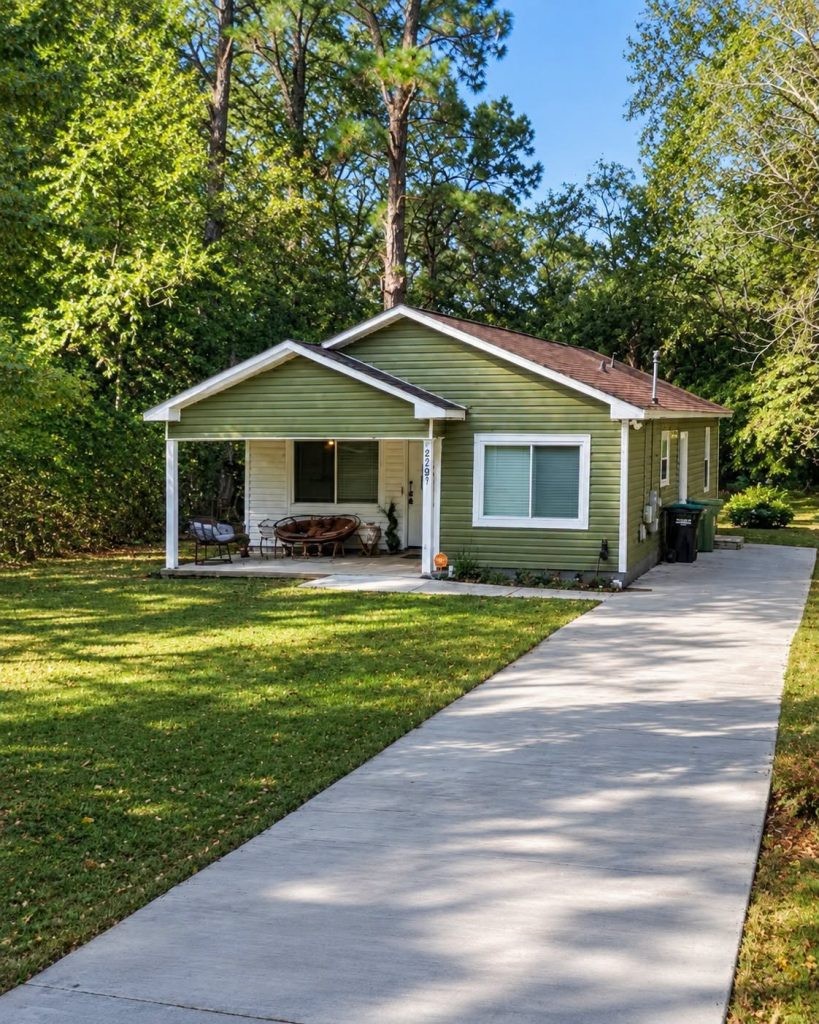
At first glance, the house looks perfect. With its cozy green exterior, quiet yard, and a listing touting three bedrooms and two bathrooms for just $20,000, the offer seems almost too good to be true. For many prospective buyers, especially those struggling with soaring housing prices, stumbling upon such a listing sparks instant excitement—a sense of hope that affordable home ownership could finally be within reach.
As urban housing costs escalate and affordability becomes a major social concern, deals promising comfort and space at remarkably low prices attract attention far and wide. However, beneath the surface of what appears to be a golden opportunity, critical questions arise about the actual nature of these listings and the transparency of their advertising.
The Significance of Property Type in Real Estate
One of the most pivotal factors in any real estate transaction is the type of property being offered. The distinction between a traditional single-family home and a mobile home is more than semantic—it affects value, financing, and future resale potential.
In the case of the $20,000 listing, the advertisement skillfully highlights features typically associated with conventional housing: ample bedrooms, multiple bathrooms, and a picturesque exterior. Yet, it omits the crucial detail that the home is not a standard house, but a mobile home—a detail that profoundly shapes both the deal’s attractiveness and its implications for buyers.
Understanding Mobile Homes: Benefits and Limitations
Mobile homes, also known as manufactured homes, are prefabricated structures built in factories and transported to their final location. According to the U.S. Department of Housing and Urban Development (HUD), mobile homes offer affordable housing solutions and can be modern, comfortable, and suitable for many families. They typically cost less than traditional site-built houses and may provide comparable living space.
However, mobile homes have unique limitations. Financing is often more challenging, as not all banks treat mobile homes the same way as conventional houses regarding mortgages. The property may depreciate more quickly, and resale opportunities can be limited. Land ownership is another concern—many mobile homes are located on rented lots, meaning buyers might not have full control over their property.
The Psychology Behind Attractive Listings
Real estate listings are crafted both to inform and entice. The use of attractive numbers—spacious rooms, modern amenities, and, most importantly, a low price—creates an illusion of value that can cloud judgment. For buyers who have faced repeated disappointment in the housing market, emotional hope can override analytical thinking, leading to purchases based more on promise than practicality.
This psychology is exploited when key details are omitted or downplayed. While regulations in many countries require accurate disclosure of property type, intentional ambiguity in advertisements can result in misunderstandings, especially among first-time buyers or those unfamiliar with mobile homes.
The Importance of Transparency in Real Estate Advertising
Transparency is fundamental in real estate transactions. Agencies, websites, and sellers are legally and ethically obligated to disclose all material information about a property. According to the National Association of Realtors (NAR), clear and honest advertising protects both buyers and the credibility of the real estate industry.
When listings fail to clarify that a property is a mobile home, buyers may feel misled and disappointed upon discovering the truth. This breach of trust can have far-reaching consequences: from damaged reputations and potential lawsuits to negative reviews online, which can impact the broader market.
Market Trends: The Growing Appeal of Low-Cost Housing
Recent market analysis shows a strong demand for affordable housing across the United States and globally. According to Reuters and BBC reporting, urban housing shortages and rising rents drive more people to consider alternative homeownership options, including manufactured homes and modular construction.
Mobile homes play a crucial role in filling this gap. With improved designs, community infrastructure, and more flexible financing options emerging, some buyers are finding they offer a viable path to owning property. Nevertheless, the stigma remains, with many buyers hesitant to invest due to concerns over depreciation and quality.
Expert Views on Mobile Homes and Real Estate Disclosure
Industry experts emphasize the need for honest disclosure. According to research published by The Guardian and interviews with real estate professionals, clear labeling of mobile homes in listings is essential. Buyers should be empowered with complete information to evaluate long-term benefits and risks.
Dr. John Smith, a housing economist, notes, “Mobile homes can provide a genuine solution for housing shortages, but transparency must be upheld. Buyers should be fully aware of land ownership, financing implications, and resale prospects before making a decision.” Lenders and policy makers also recommend buyers seek pre-purchase education and consultation to avoid unexpected outcomes.
Societal and Global Reactions to Affordable Housing Challenges
Internationally, affordable housing remains a pressing issue. The World Health Organization (WHO) has highlighted the link between housing quality and health outcomes, stressing the importance of safe and stable homes. Societies often look to policy reform, zoning changes, and construction innovation to address shortages and promote accessible housing.
In the United States, community organizations and advocacy groups push for tighter regulations around listing transparency. Al Jazeera and BBC report that grassroots movements regularly engage with lawmakers to strengthen consumer protections and to demand plain language in all real estate advertising.
How Buyers Can Protect Themselves
For individuals considering low-cost listings, vigilance is key. Experts recommend taking the following steps:
- Thoroughly review all listing details and ask direct questions about the property’s type.
- Visit the home in person to inspect quality, location, and land status.
- Request official documentation, including property title, land lease agreements, and inspection certificates.
- Consult with a licensed real estate agent or housing counselor to clarify uncertainties.
- Research recent sales of comparable properties to assess market value and future investment prospects.
Taking these steps not only avoids disappointment, but also builds confidence in making informed decisions.
Regulatory Responses to Misleading Listings
To combat misleading real estate advertising, regulatory bodies have instituted strict guidelines. The U.S. Federal Trade Commission (FTC) and equivalent agencies abroad enforce penalties for deceptive practices. Policies now require that property type, ownership structure, and condition be disclosed prominently in all listings.
Online platforms—including major real estate aggregators—monitor user-reported issues and update their advertising policies to ensure compliance. Industry watchdogs regularly publish advisories helping buyers distinguish between different types of homes and identifying red flags.
The Future of Affordable Housing and Listing Practices
As affordability becomes a dominant theme in housing discussions, transparency and consumer education are likely to become more robust. Market analysts predict that demand for mobile and manufactured homes will continue rising, provided quality and financing options keep improving.
In parallel, technological advances in listing platforms could further empower buyers, with virtual tours, interactive maps, and enhanced filters clarifying property type and amenities from the outset. Legislative efforts also aim to expand affordable housing, streamline disclosures, and protect buyers in an increasingly competitive market.
Conclusion: Beyond the Headlines
What looks like a dream deal can easily transform into disappointment when critical information is omitted. For buyers, understanding the full spectrum of property details—including whether a home is mobile or conventional—is essential to avoid unwanted surprises. As low-cost listings become widespread, transparency, education, and honest advertising are imperative for fostering trust and empowering successful homeownership.
Ultimately, while affordable housing opportunities exist, only through careful scrutiny and full disclosure can buyers realize their hopes without risking disappointment. By looking beyond the headline and asking informed questions, everyone can participate confidently in the real estate market.
Sources
- Reuters
- BBC
- Al Jazeera
- The Guardian
- World Health Organization (WHO)
- U.S. Department of Housing and Urban Development (HUD)
- Federal Trade Commission (FTC)
- National Association of Realtors (NAR)
Disclaimer: This content is intended for entertainment purposes only and is not based on real events.