The Power of Setting Boundaries in Family Gatherings
Introduction: Early Morning Insights at the Lakehouse
The alarm buzzed sharply at 5:00 a.m., marking the beginning of a weekend that would redefine family dynamics at my mother’s lakehouse. Moving quietly while Daniel slept, I navigated the peaceful silence of the kitchen, reflecting on recent events that had disrupted our family’s harmony. Outside, the tranquil lake mirrored the tension that simmered beneath the surface. Among the memories was the seemingly innocuous incident: Susan ordering Mom to relocate her own flowers—a minor request, perhaps, but one that epitomized a deeper issue.
Patterns of Familial Roles and Responsibilities
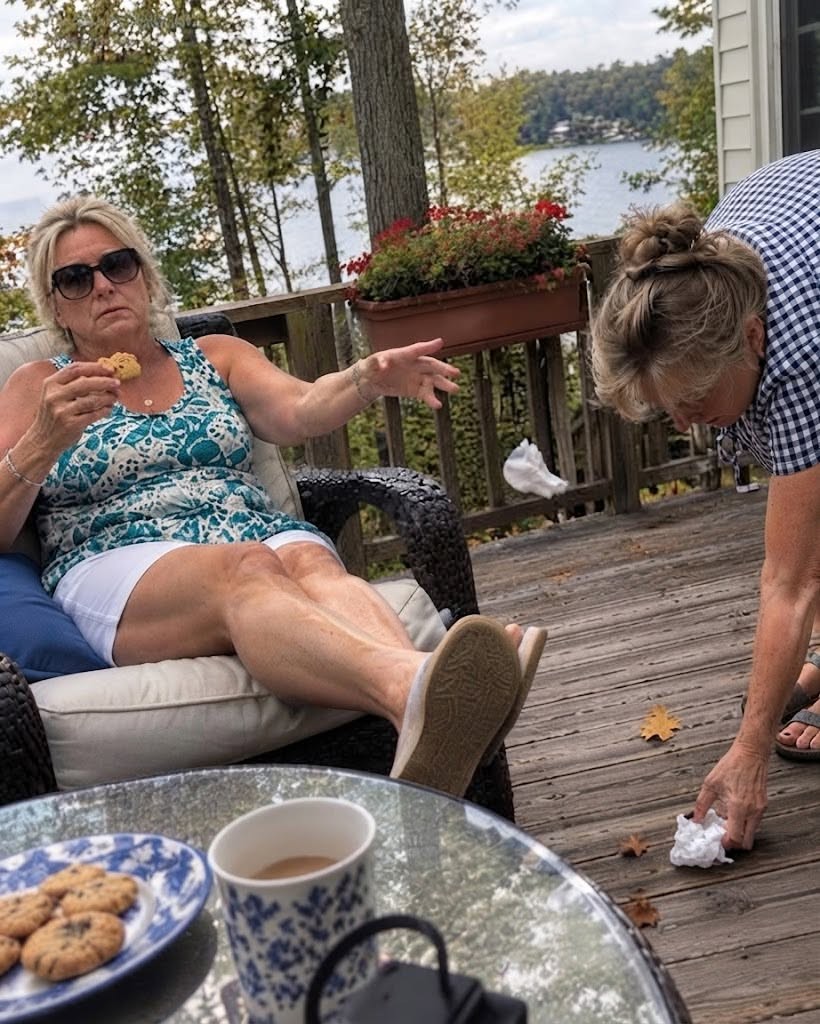
For two consecutive months, weekends at Mom’s house followed a scripted routine. My mother, ever the hospitable host, woke at dawn to prepare an elaborate breakfast, clean the house, change bed linens, procure special groceries, and orchestrate dinner. With each visit, Susan would arrive, iced tea in hand, and settle into the most comfortable seat, largely abstaining from household contributions. Over time, even basic expressions of gratitude faded, amplifying a sense of being taken for granted. Such dynamics are not uncommon; they often arise from longstanding familial roles and unspoken expectations.
According to sociologists specializing in family interactions, these patterns can emerge in multigenerational gatherings, especially when one person assumes the burden of hospitality. As Dr. Brené Brown, an expert in relationships, notes, “Boundaries are necessary for healthy relationships—without them, resentment and exhaustion can take root.” The scenario at the lakehouse illustrates this in real terms, highlighting the importance of mutual respect and appreciation.
Initiating Change: The Weekend Jobs Board
Seeking a solution, I found my mother’s dry-erase board and created a “WEEKEND JOBS” chart. Everyone was assigned distinct responsibilities: Daniel would handle breakfast cleanup, Richard would shop for groceries, I would make lunch, Susan was tasked with breakfast, and dinner duties would rotate. Next to Mom’s name, I succinctly wrote: “Enjoy your house.” This quiet action had profound implications, marking a shift from passive tolerance to proactive boundary-setting.
When Mom discovered the board at dawn, her instinct was to erase it. “They’re guests,” she whispered, emphasizing hospitality over personal comfort. Yet, the pivotal point was raised: guests shouldn’t dictate the host’s decisions within their own home. This exchange demonstrated the common tension between maintaining tradition and advocating for fairness.
Reactions and the Ripple Effect of Boundaries
Breakfast that morning was awkward, yet not confrontational. Susan, tasked with preparing the meal, made dry scrambled eggs, visibly unfamiliar with the kitchen setup. Her habitual act of leaving her plate behind was gently challenged by Daniel, prompting Susan to take responsibility for clearing it. This moment, though small, symbolized a breaking of old patterns—everyone began to participate more actively in shared responsibilities.
Over the remainder of the weekend, the tone gradually transformed. I overheard Susan rationalizing her prior actions, believing she had supported Mom by allowing her to fulfill the role of the hostess. Mom, in turn, admitted she had put in extra effort to make Daniel’s family feel welcome—as if she needed to earn a place in my new family. This candid exchange paved the way for mutual understanding.
Susan apologized for the flower incident, and Mom accepted, but clarified, “I like taking care of people. I don’t like being taken for granted. Those aren’t the same thing.” With this simple statement, the atmosphere shifted, fostering respect and empathy among all present.
Expert Perspectives: Why Boundaries Matter
Experts in psychology and family counseling underscore the necessity of boundaries for emotional health and sustainable relationships. According to the Psychology Today, boundaries are “the limits that people set for themselves and others in order to feel safe and respected.” In households where boundaries are weak or absent, hosts may experience burnout, and guests may unintentionally overstep, leading to tension and misunderstanding.
Dr. Julie Smith, clinical psychologist and author, observes, “When families come together, the blending of customs, habits, and expectations can be stressful. Setting boundaries, though sometimes uncomfortable, allows relationships to thrive and prevents resentment.”
Furthermore, social scientists suggest that collective ownership of chores—especially in shared spaces—can foster a sense of community and equality. By explicitly assigning tasks, each person becomes invested in the welfare of the group, rather than relying on any one individual to shoulder responsibility.
The Societal Context: Hospitality, Gender, and Generational Shifts
The tradition of hospitality, especially among older generations, often comes with implicit expectations. In many cultures, the matriarch is seen as the provider, and guests are encouraged to relax. However, as family structures evolve and roles shift, these unwritten rules can clash with contemporary values emphasizing equity.
Studies from The Guardian and BBC reveal that household labor often falls disproportionately on women, especially during gatherings. Awareness and open communication are key to disrupting these cycles and ensuring that all family members contribute. The weekend jobs board, though simple, became a vehicle for dialogue and respect, challenging traditional gendered labor and promoting inclusivity.
International Perspectives on Family Boundaries
Globally, approaches to hospitality and household boundaries vary dramatically. In Scandinavian countries, for example, communal chores are a cultural norm, with guests expected to participate rather than act as passive recipients. Similarly, in many Asian cultures, respect for elders and host responsibilities are deeply ingrained, though contemporary families increasingly embrace shared tasks.
International social media forums and academic discussions reflect a growing movement toward redefining hospitality—balancing warmth with respect and encouraging all members to partake in hosting duties. Whether through explicit schedules or informal agreements, families worldwide seek to nurture environments where no one feels overwhelmed or undervalued.
Realigning Expectations and Establishing a Healthier Tradition
As the weekend concluded, observable changes took root. Susan volunteered to wash dishes, acknowledging the value of participation. Before departing, she complimented Mom’s geraniums, opting for a different chair than usual—a quiet gesture symbolizing newfound respect.
The core lesson was clear: resolving interpersonal tension doesn’t always require confrontation or dramatic gestures; sometimes, it means making room for others to assert their needs. The jobs board and ensuing conversation enabled Mom to reclaim her autonomy, shifting the family dynamic toward greater equality and mutual understanding.
As noted by renowned family therapist Esther Perel, “Healthy relationships allow for both giving and receiving—finding balance is key.” The experience at the lakehouse reflects this principle, reminding us that respect, boundaries, and gratitude are the foundations of enduring familial bonds.
Conclusion: Toward Empathy and Balance
In contemporary society, family gatherings are opportunities for connection but can also expose fault lines in traditions and expectations. The act of setting boundaries, whether through a dry-erase board or candid conversation, is a sign of care and respect—not conflict. The transformation witnessed in this story exemplifies how simple steps and honest communication can foster empathy and transform relationships.
By recognizing and addressing unequal labor, encouraging participation, and expressing gratitude, families can move beyond rigid roles and toward genuine community. The power of saying “no”—not to others, but to unhealthy patterns—opens the door to belonging and mutual self-respect.
Sources
- BBC – The Changing Role of Family Hosts
- The Guardian – Invisible Labour at Family Gatherings
- Psychology Today – The Importance of Boundaries
- Reuters – Social Trends
Disclaimer: This content is intended for entertainment purposes only and is not based on real events.