Why Flight Attendants Sit on Their Hands: Understanding the Brace Position for Safety
Introduction to In-Flight Safety Practices
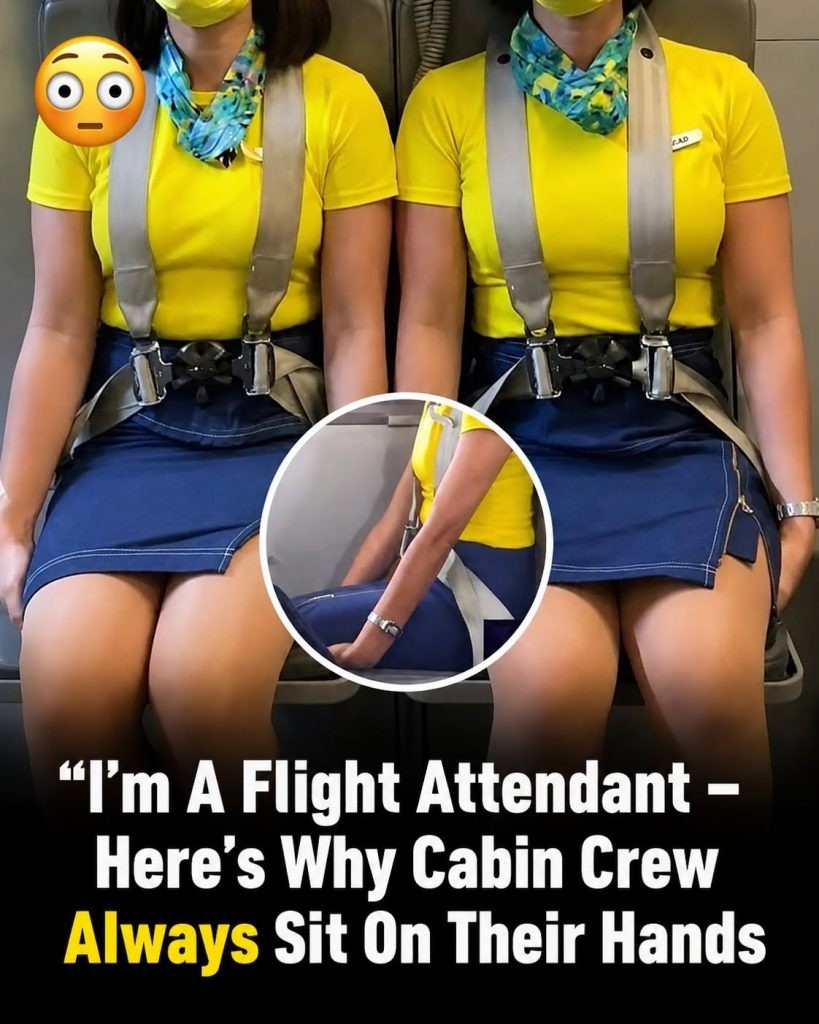
Air travel is a highly regulated and meticulously managed mode of transportation. Although commercial flights have become routine for millions globally, each journey involves a series of well-rehearsed safety protocols designed to protect crew and passengers alike. One familiar sight during these critical moments is flight attendants sitting upright with their hands tucked under their thighs. While this may seem unusual to travelers, it represents a fundamental strategy in aviation safety known as the brace position.
The Brace Position: Definition and Significance
The brace position is a posture adopted during takeoff and landing—the two phases of flight statistically recognized as the most hazardous. Aviation experts classify these moments as “critical phases,” due to elevated risks such as runway overruns, aborted takeoffs, and unexpected turbulence. The International Civil Aviation Organization (ICAO) and regulatory bodies like the Federal Aviation Administration (FAA) have extensively documented safety procedures for these intervals, emphasizing the high importance of the brace position for crew members.
Purpose Behind Sitting on Hands
For flight attendants, sitting upright with hands placed under their thighs is much more than a formality. This technique helps prevent involuntary arm movements, known as flailing, during an impact or sudden deceleration. Flailing can result in injuries such as dislocations, fractured wrists, or broken fingers, potentially impairing a flight attendant’s ability to lead and assist passengers during emergency evacuation.
By immobilizing the hands beneath the thighs, flight attendants decrease the risk of these injuries and ensure their readiness to perform critical tasks immediately following an incident. This approach is coordinated with other elements of the brace position, like maintaining an upright posture and keeping feet flat on the floor, which together stabilize the spine and preserve mobility for rapid action.
Scientific Principles and Human Factors in Brace Position
The science behind the brace position draws upon biomechanics and injury prevention research. According to a study published in the journal Aviation, Space, and Environmental Medicine, forces experienced during an aircraft crash or heavy landing can lead to severe trauma if the body is not properly aligned and protected. Experts recommend that decreasing limb mobility, as with sitting on one’s hands, and ensuring a compact posture substantially reduces risk of musculoskeletal injuries.
Additionally, by bracing the torso and stabilizing the spine, flight attendants are less likely to sustain head, neck, or back injuries, which are among the most dangerous in crash scenarios. Human factors engineers contribute to safety training by analyzing past incidents, resulting in refined procedures to protect crew and passengers based on statistical risk and injury reports.
The Role of Flight Attendants During Critical Phases
It is a misconception that flight attendants are passive during takeoff and landing. In fact, they are highly attentive and mentally engaged. While seated in the brace position, they conduct silent reviews of emergency procedures, scan the cabin environment, verify passenger compliance, and prepare to intervene promptly if necessary.
According to the European Union Aviation Safety Agency (EASA), the immediate period after an incident requires decisive leadership to facilitate safe evacuation and prevent panic. The physical readiness engendered by the brace position is paired with mental alertness, allowing flight attendants to issue clear instructions and guide passengers to safety. This dual focus is central to their training and ongoing certification.
Training and Standardization Across Airlines
Bracing protocols are standardized across major airlines and reinforced through regular drills. Trainees practice a variety of emergency scenarios, including simulated evacuations and mock landings. These exercises are supervised by safety officers and use real-world equipment to ensure authenticity and effectiveness. Attendants learn not only how to protect themselves, but also how to assist passengers whose age or physical condition may require modification of the basic brace position.
International air travel statistics consistently demonstrate that survival rates dramatically improve when both crew and passengers correctly assume the brace position. Organizations such as the ICAO, FAA, and Civil Aviation Authority (CAA) collaborate on research studies to refine training materials, ensuring that best practices are shared worldwide.
Global Perspectives and Expert Insights
Aviation is a global industry, and safety standards are shaped by ongoing international collaboration. Experts continually review accident investigations, particularly those involving survivable crashes, to better understand the effectiveness of brace procedures. For instance, after the 1989 crash of United Airlines Flight 232, survivor interviews and injury analyses highlighted the life-saving impact of proper bracing and reinforced its necessity in airline protocols.
Modern aircraft design also incorporates ergonomic seat arrangements, placement of restraint systems, and clear visual cues to support bracing. Research conducted by the BBC and Reuters illustrates how manufacturers and regulators collaborate to align cabin features with safety recommendations. Aviation analysts and university researchers, like those at Embry-Riddle Aeronautical University, contribute independent assessments and peer-reviewed studies, enhancing the scientific foundation of in-flight safety.
Sociocultural Impacts and Public Communication
The visible routines of flight attendants—including sitting on their hands—have become part of public awareness campaigns. Passengers are increasingly encouraged to understand and participate in safety measures, rather than view them as merely procedural. Airlines publish detailed safety instructions and pre-flight briefings, sometimes using animations or real-life demonstrations, to familiarize travelers with the brace position and its rationale.
Efforts to demystify these practices contribute to calm and cooperation during emergencies. According to the Guardian, communication strategies that explain the logic behind safety protocols improve passenger compliance and foster trust between crew and travelers. This approach is also reflected in national safety campaigns in countries with significant air traffic, such as the United States, United Kingdom, and Australia.
Survival Rates and Historical Context
The effectiveness of the brace position is supported by data from multiple aviation incidents. Reports from organizations like the National Transportation Safety Board (NTSB) and the Centers for Disease Control and Prevention (CDC) indicate that the likelihood of surviving an aircraft accident increases when passengers and crew adhere to safety instructions. The development of these protocols stems from careful study of crash outcomes, leading to incremental improvements in both crew training and passenger education.
In the wake of high-profile incidents, airlines often revisit their safety manuals and incorporate lessons learned into new instructional content. Historical context also informs best practices, as aviation authorities strive to keep pace with evolving aircraft technologies and emerging risk factors.
The Future of In-Flight Safety Protocols
Looking ahead, the aviation industry continues to prioritize safety innovation. Emerging technologies such as smart restraint systems and wearable sensors may further enhance crew readiness and passenger protection. Regulatory bodies are considering new guidelines and refining existing ones to accommodate future aircraft designs and operational environments.
Flight attendants remain central to these advances, embodying both specialized skills and an unwavering commitment to passenger welfare. Their adoption of the brace position—and the rationale behind it—serves as a reminder of the complex interplay between scientific research, regulatory oversight, and everyday practice in the air travel industry.
Conclusion
The next time you observe flight attendants sitting with their hands under their thighs before takeoff or landing, recognize the critical purpose of this action. The brace position is a thoroughly researched safety measure, rooted in evidence and refined through decades of experience. It protects crew members from injury and ensures their ability to assist others in the event of an emergency. By understanding and respecting these protocols, travelers contribute to safer, more efficient flights for everyone on board.
Sources
- International Civil Aviation Organization (ICAO)
- Federal Aviation Administration (FAA)
- Civil Aviation Authority (CAA)
- BBC News
- Reuters
- The Guardian
- National Transportation Safety Board (NTSB)
- Centers for Disease Control and Prevention (CDC)
- European Union Aviation Safety Agency (EASA)
Disclaimer: This content is intended for entertainment purposes only and is not based on real events.