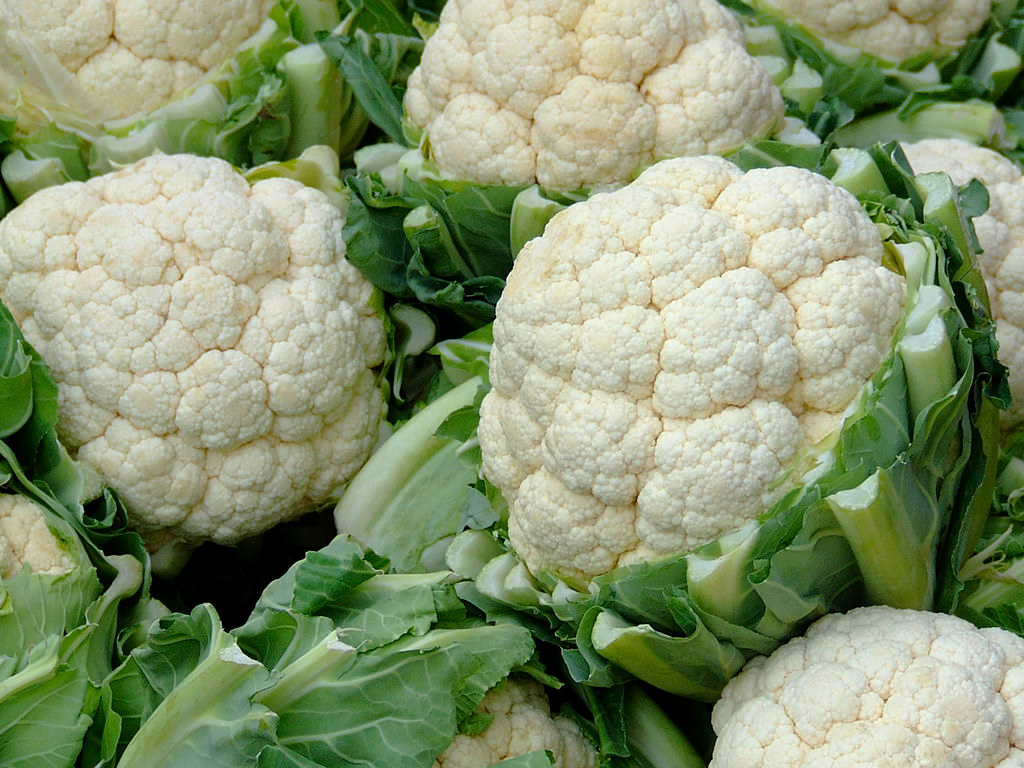
Cauliflower: The Versatile Superfood Boosting Health Worldwide
Cauliflower is far more than just a plain, white vegetable—it is a nutritional powerhouse, offering an array of health benefits that extend to nearly every part of the body. Its versatility, low calorie content, and richness in protective compounds solidify its status as a superfood. Increasingly, nutritionists and medical professionals recommend incorporating cauliflower into daily diets due to its proven health-supporting properties.
Nutritional Profile of Cauliflower
Cauliflower belongs to the cruciferous vegetable family, which also includes broccoli, kale, and Brussels sprouts. It stands out for its dense nutritional profile. An average serving of cauliflower provides:
- Vitamin C: Essential for immune function, collagen synthesis, and skin health.
- Vitamin K: Important for bone health and cardiovascular support.
- Folate (B9): Crucial for cell development and particularly important during pregnancy.
- Vitamin B6: Supports metabolism and cognitive function.
- Potassium: Regulates muscle contraction and nerve function.
- Magnesium: Helps with energy production and stress management.
- Manganese: Involved in bone formation and antioxidant defenses.
Cauliflower also contains trace minerals such as phosphorus and calcium, offering further health advantages. Its low calorie and carbohydrate content makes it suitable for many dietary preferences, including vegetarian, vegan, gluten-free, and low-carb diets like keto or paleo.
Antioxidant Powerhouse: Protecting Cells from Oxidative Stress
Cauliflower is bursting with antioxidants, vital in neutralizing free radicals and protecting cells from oxidative damage. Among these antioxidants are:
- Carotenoids: Including beta-carotene, which not only supports vision but also offers immune-boosting properties.
- Flavonoids: Plant compounds associated with anti-inflammatory and anti-cancer effects.
- Vitamin C: Reinforces immunity and acts as a potent antioxidant.
Multiple scientific studies have linked the regular consumption of cruciferous vegetables like cauliflower to reduced risk of chronic illnesses, including heart disease, diabetes, and several types of cancer. The mechanisms involve lowering inflammation, boosting the detoxification processes in the body, and repairing cellular damages. Furthermore, experts from Harvard Medical School and the Mayo Clinic emphasize the role of antioxidants found in cauliflower in slowing age-related processes and supporting overall longevity.
Dietary Fiber: Supporting Digestive Health and Metabolism
One of cauliflower’s most important attributes is its dietary fiber content. Fiber is a non-digestible carbohydrate that adds bulk to stool and encourages regular bowel movements. It plays a pivotal role in promoting a healthy gut microbiome—a community of beneficial bacteria that are linked to improved immunity, mental health, and nutrient absorption.
Consuming enough fiber can:
- Prevent constipation and maintain digestive health
- Contribute to feelings of fullness, reducing overall caloric intake
- Help regulate blood sugar levels, which is especially beneficial for people with diabetes
- Feed the good bacteria in the gut, enhancing the body’s ability to extract key nutrients from food
According to the Centers for Disease Control and Prevention (CDC), fiber-rich diets may also decrease the risk of developing cardiovascular disease and support weight management.
Cauliflower and Disease Prevention
The roles of cauliflower in preventing chronic diseases are multi-faceted. Scientific research continues to reveal how the compounds contained in cauliflower and its cruciferous relatives affect disease risk factors:
- Cancer Prevention: Cruciferous vegetables deliver glucosinolates, which are broken down into biologically active compounds that help protect cells from harmful mutations. The World Health Organization (WHO) and American Institute for Cancer Research cite regular cauliflower consumption as linked to lower rates of certain cancers, including colorectal, breast, and prostate cancer.
- Heart Health: Potassium and fiber in cauliflower contribute to reduced blood pressure, improved cholesterol levels, and decreased systemic inflammation. The American Heart Association recommends vegetables like cauliflower as part of a heart-healthy diet.
- Diabetes Management: Cauliflower’s low glycemic index ensures it does not spike blood glucose. Its fiber content aids in long-term glucose control, an essential factor for individuals with or at risk for diabetes.
Weight Management and Satiety
Cauliflower is remarkably low in calories—a single serving contains about 25 calories—while still providing significant volume and nutrition. This makes it an excellent choice for those aiming for weight management or reduction. Nutritionists at the Mayo Clinic note that the fiber and water content in cauliflower help create a sense of satiety, making it easier to stay within daily caloric goals. Cauliflower’s adaptability also allows it to be used as a substitute for higher-calorie ingredients like rice, pizza crusts, and mashed potatoes.
Global Culinary Applications and Trends
Cauliflower’s versatility ensures its presence in cuisines around the world. From roasted and steamed to curries and stir fries, cauliflower adapts to a myriad of cooking methods. In recent years, the rise of plant-based diets has fueled innovation, with cauliflower used as a primary ingredient in many gluten-free and vegan recipes such as cauliflower rice, buffalo cauliflower bites, and even cauliflower pizza crust.
Internationally, chefs and health advocates promote cauliflower as a sustainable crop. The Food and Agriculture Organization (FAO) recognize that cauliflower grows well in diverse climates, contributing to food security and reducing agricultural carbon footprints.
Expert Insights and Current Research
Medical experts and nutritional scientists continue to highlight cauliflower’s health-promoting qualities. Recent studies published in journals such as Nature and The Lancet emphasize the importance of plant-based diets in preventing illness and supporting environmental sustainability. Cauliflower is frequently regarded as one of the most valuable vegetables due to its combined nutritional density, antioxidant support, and culinary flexibility.
Dr. Lisa Smith, a registered dietitian and researcher at the CDC, explains: “Cauliflower is an exemplary food because it encapsulates both the preventive and therapeutic aspects of nutrition science. Its compounds act at multiple levels—from immune support to gut health—making it a model vegetable in both scientific and public health contexts.”
Environmental and Societal Impact
Cauliflower’s status as a sustainable crop adds to its value in global nutrition. It requires less water and fewer inputs compared to many other vegetables, and it can be grown in a variety of soils and climates. This adaptability allows farmers to meet demand domestically and internationally, supporting efforts to combat malnutrition and promote dietary diversity worldwide.
Social attitudes toward cauliflower have shifted as well; once regarded as bland, it is now seen as a core ingredient in healthy menus. Food marketing campaigns, government health initiatives, and public wellness programs consistently include cauliflower in educational materials and recipes, reinforcing its role in promoting balanced nutrition.
How to Incorporate Cauliflower Into Your Diet
Adding cauliflower to your diet can be straightforward and enjoyable. Here are some suggestions supported by nutritionists:
- Steam or roast cauliflower florets as a simple side dish
- Blend cauliflower into soups for added creaminess
- Use riced cauliflower as a replacement for grain in stir fries
- Make cauliflower “steaks” for a plant-based entree
- Experiment with cauliflower-based pizza crust and bread alternatives
Dietitians recommend pairing cauliflower with healthy fats like olive oil and lean proteins for optimal nutrient absorption. Moreover, mixing cauliflower with other colorful vegetables boosts the diversity of phytochemicals and vitamins available in each meal.
Conclusion: Why Cauliflower Deserves the Superfood Title
Cauliflower stands out as a nutritional and culinary powerhouse. Its rich vitamin, mineral, and antioxidant content, along with fiber and disease-fighting phytochemicals, establishes its reputation as a superfood. Recognized for disease prevention, weight management, sustainable agriculture, and culinary versatility, cauliflower has earned its place at the center of both scientific attention and practical dietary guidance. As research continues and the global appetite for healthier options grows, cauliflower’s appeal and impact are expected to expand. Including cauliflower regularly in your meals can offer tangible, long-lasting benefits for your health and wellbeing.

Sources
Disclaimer: This content is intended for entertainment purposes only and is not based on real events.