Understanding Hearing Loss: Causes, Treatments, and The Reality Behind “Two Drops in Your Ear”
Introduction
Hearing loss is a widespread health concern affecting millions of people globally across all age groups. The causes of hearing loss are diverse, ranging from age-related degeneration to environmental factors. The rise of online remedies and commercial products claiming to restore hearing with simple “two drops in your ear” solutions has prompted scientific inquiry and public skepticism. This article provides a comprehensive, factual analysis of hearing loss, reviews the role and limitations of ear drops, and shares expert perspectives on hearing health—helping readers make informed, responsible choices.
Common Causes of Hearing Loss
Hearing loss can stem from several underlying factors, each with distinct mechanisms and implications for treatment. Understanding the origins of hearing impairment is crucial for proper diagnosis and care. The primary causes include:
- Age-Related Hearing Loss (Presbycusis): This gradual decline in hearing is associated with natural aging. Structural changes in the inner ear and auditory pathways often lead to diminished sensitivity to high-frequency sounds. Presbycusis typically affects both ears and progresses slowly.
- Noise-Induced Hearing Loss: Prolonged exposure to loud sounds, such as music, industrial noise, or machinery, can damage the hair cells within the cochlea. This type of hearing loss is frequently seen in workers in noisy environments and individuals who regularly use headphones at high volume.
- Earwax Buildup: Earwax, or cerumen, is a protective substance, but excessive accumulation can block the ear canal and impair sound transmission. Earwax-related hearing loss is usually temporary and reversible with proper removal.
- Infections or Inflammation: Conditions like otitis media (middle ear infection) or otitis externa (outer ear infection) can cause temporary hearing impairment. Inflammation often leads to fluid buildup or swelling, which affects how sound travels through the ear.
- Inner Ear Damage: Problems involving the cochlea or the auditory nerve—such as hereditary disorders, trauma, or certain illnesses—can result in permanent hearing loss. This sensorineural hearing loss is generally resistant to medical intervention, with hearing aids or cochlear implants offering potential assistance.
While some causes of hearing loss are reversible, others necessitate professional medical evaluation and tailored management. Early detection and treatment are vital for preserving hearing health and quality of life.
Symptoms and Signs of Hearing Loss
Not all hearing loss is immediately apparent. Common symptoms include:
- Muffled speech and sounds
- Difficulty understanding conversations, particularly in noisy environments
- Asking people to repeat themselves frequently
- Needing to turn up the volume on electronic devices
- A sensation of fullness or blockage in the ear
- Pain, discharge, or dizziness in cases of infection or injury
If you notice these symptoms, it is important to consult a healthcare provider for assessment.
Evaluating Ear Drops: “Two Drops in Your Ear” Claims
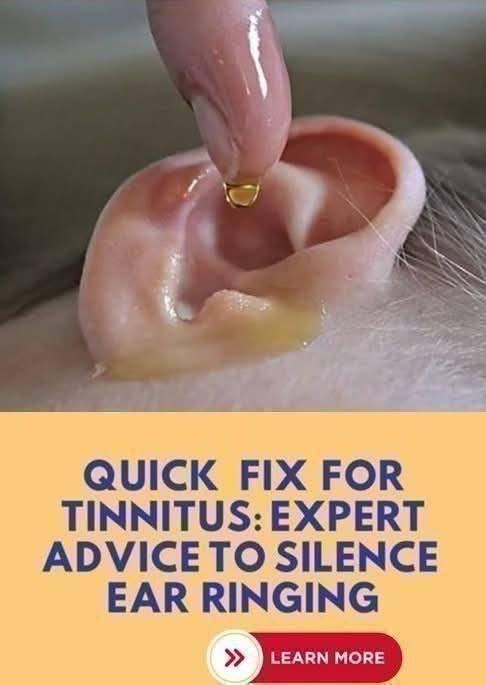
Commercially marketed ear drops and home remedies often promise quick relief from hearing loss. Products touting the effect of “two drops in your ear” include a range of ingredients, each targeting supposed underlying issues:
- Hydrogen Peroxide: Used to soften earwax and facilitate its removal. Over-the-counter solutions may be effective for wax-related hearing problems, but misuse can lead to irritation or push wax deeper into the canal.
- Olive Oil or Garlic Oil: These oils are promoted for their presumed antimicrobial properties, sometimes used in folk medicine to treat infections or lubricate the ear.
- Herbal Extracts: Various extracts are marketed as healing agents, though scientific evidence supporting their efficacy is limited.
The effectiveness of ear drops depends heavily on the underlying cause of hearing loss. For earwax-related blockage, medically-approved wax softeners may help. For infections or nerve damage, ear drops alone are insufficient and may delay proper medical treatment.
The Science Behind Ear Drops and Hearing Restoration
Ear drops are formulated for specific purposes, such as softening earwax or treating mild infections. According to expert reviews and clinical guidelines, the successful use of ear drops in restoring hearing is often limited to conditions where hearing loss is caused by reversible ear canal blockage—chiefly, earwax. For most other causes, including inner ear damage or chronic infections, ear drops are not scientifically proven to restore hearing.
Health authorities, including the Mayo Clinic and Centers for Disease Control and Prevention (CDC), advise caution when using ear drops. Improper application can cause further blockage, irritation, or infection. It is also important to avoid putting drops in ears with ruptured eardrums or persistent discharge, as this can exacerbate symptoms.
Medical Treatments for Hearing Loss
Permanent or severe hearing loss usually requires professional medical intervention. Treatment options, depending on diagnosis and severity, may include:
- Earwax Removal: Healthcare providers use specialized tools or irrigation techniques to safely remove excessive earwax.
- Antibiotics or Antifungals: Prescription medications treat infections of the outer or middle ear.
- Hearing Aids: Devices that amplify sound and are tailored to individual hearing needs.
- Cochlear Implants: Surgically implanted electronic devices designed to aid those with severe sensorineural hearing loss.
- Surgical Reconstruction: For structural issues such as perforated eardrums or congenital abnormalities.
Timely medical evaluation ensures accurate diagnosis and optimal outcomes. Home remedies should not substitute for expert advice, especially in cases of sudden or persistent hearing loss.
Expert Views on Ear Drops and Hearing Health
Otolaryngologists (ear, nose, and throat specialists) consistently warn against indiscriminate use of ear drops or at-home techniques. Dr. Sandra Lin, professor at Johns Hopkins Medicine, emphasizes, “The best course of action for hearing loss is a comprehensive evaluation. Using ear drops without understanding the cause may offer temporary relief, but may not address the underlying issue.”
Scientific organizations such as the American Academy of Otolaryngology also highlight the risks of online claims and unverified products: “Not all ear drops are created equal. Always check the ingredients, follow instructions, and seek medical advice for unexplained hearing changes.”
International and Societal Reactions to Hearing Loss Remedies
Globally, the market for ear health products has expanded, fueled by consumer demand for accessible solutions. Regulatory agencies in Europe, the United States, and Asia monitor claims for safety and efficacy. Many countries require that ear drops for hearing loss include clear labeling, dosage recommendations, and warnings about misuse.
Public health initiatives focus on educating communities about noise exposure, workplace safety, and proactive ear hygiene. In developing regions, increased awareness campaigns are helping reduce preventable hearing loss and encouraging early intervention for infectious diseases.
Preventing Hearing Loss: Tips for Ear Health
- Protect Your Ears: Use earplugs in noisy environments; limit headphone volume.
- Practice Safe Ear Hygiene: Avoid inserting objects into the ear canal, including cotton swabs.
- Regular Checkups: Have your hearing tested, especially if symptoms arise.
- Treat Infections Promptly: Seek medical attention for pain, discharge, or sudden hearing impairment.
- Be Cautious with Ear Drops: Only use products recommended by healthcare professionals.
Conclusion: Making Informed Choices About Hearing Health
While some mild forms of hearing loss—such as earwax buildup—may be relieved by correctly used ear drops, the majority of hearing disorders require medical diagnosis and proper intervention. Home remedies and commercial products should be approached with caution and skepticism. Expert consensus is clear: consult a healthcare provider for persistent or unexplained hearing loss and avoid self-treatment for inner ear or nerve-related impairments.
Understanding the complexity of hearing loss, the limitations of ear drops, and the importance of preventive measures empowers individuals to protect their hearing and respond intelligently to health claims online.

Sources
- BBC
- Reuters
- CDC
- WHO
- Mayo Clinic
- The Guardian
- Johns Hopkins Medicine
- American Academy of Otolaryngology
Disclaimer: This content is intended for entertainment purposes only and is not based on real events.