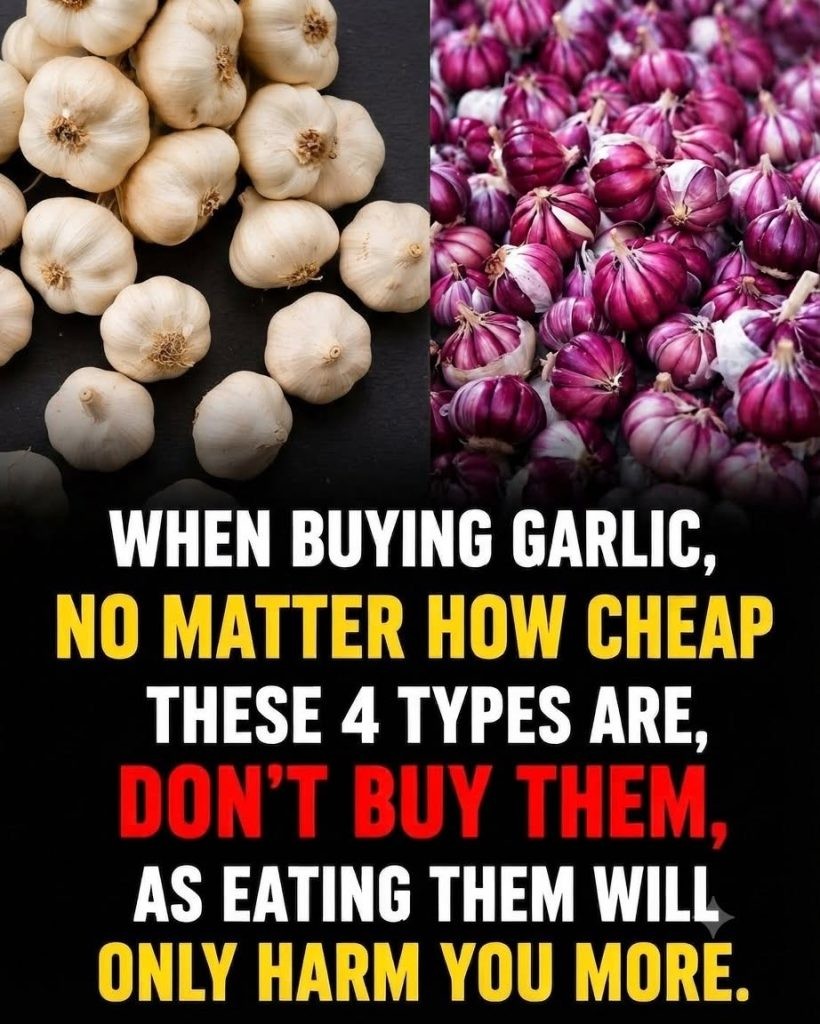
Garlic: How to Identify Quality, Detect Spoilage, and Avoid Common Myths
Introduction
Garlic has maintained a prominent place in culinary traditions around the world for thousands of years. Prized for its distinctive flavor and purported health benefits, it is an essential component in many cuisines. Despite its widespread popularity, misinformation about the quality and safety of garlic persists online, leading to confusion among consumers. This comprehensive guide aims to clarify fact from fiction regarding selecting and storing garlic. We explore expert opinions, scientific understanding, and practical advice to help readers choose garlic confidently and safely.
The Significance of Garlic in Cuisine and Health
Used across diverse cultures, garlic is more than a flavor enhancer. Its history traces back to ancient civilizations such as Egypt, Greece, Rome, and China, where it was not only eaten but also valued in medicine, religious rituals, and even currency. In modern times, studies continue to examine its health effects, from cardiovascular support to antimicrobial properties, although consuming garlic should never replace evidence-based medical treatments.
Viral Claims About ‘Bad Garlic’: Myths and Reality
Social media and viral posts often warn against purchasing specific types of garlic, particularly by associating quality with color, price, or country of origin. These simplistic methods can often be misleading. According to food safety experts from reputable organizations like the United States Department of Agriculture (USDA) and the Food and Agriculture Organization (FAO), these factors alone rarely indicate whether garlic is safe or healthy to consume.
For example, differences in garlic color can simply result from the particular variety of garlic or the soil in which it grew, not its safety or quality. Similarly, variations in price are often driven by supply, demand, and market dynamics, not necessarily by quality or origin. Misconceptions can even lead to unintentional waste, as consumers discard perfectly good garlic based on inaccurate information.
What Truly Determines Garlic Quality?
The key indicators of garlic quality are straightforward and are recognized by experts and culinary professionals alike. They include:
- Freshness: The garlic should feel firm when gently squeezed. Soft, mushy, or spongy bulbs often indicate internal breakdown or spoilage.
- Appearance: The outer papery skin should be intact, dry, and free from cracks or excessive moisture. Bulbs should show no discoloration apart from natural varietal flourish.
- Smell: Fresh garlic has a pungent, mildly spicy aroma. A strong, sulfuric, or sour odor may signal decay or bacterial growth.
- Absence of Mold: Always check for green, blue, black, or fuzzy areas on the bulb’s surface or between cloves. Mold can spread quickly and may not always be visible externally.
- Dryness: Moisture is an enemy of shelf-stable garlic. Bulbs exhibiting wet or slimy textures are likely harboring spoilage.
Focusing on these physical characteristics is recommended by experts at the Mayo Clinic and the U.S. Food and Drug Administration (FDA) over less relevant cues like country of origin or price.
How to Identify Spoiled Garlic
Detecting spoilage in garlic is crucial to avoid consuming a product that may have lost flavor, texture, or in rare cases, could harbor harmful molds or bacteria. Below are the main warning signs:
Mold Contamination
Mold often appears as green, blue, black, or fuzzy growth on the cloves, sometimes beneath the papery skin. Because garlic cloves are packed tightly together, a small mold patch on the surface can indicate that unseen portions inside the bulb are affected as well. Inhaling mold spores can also be harmful, especially for individuals with respiratory sensitivities.
Texture Changes
Fresh garlic bulbs are firm and tightly packed. When a garlic bulb feels soft, mushy, wet, or slimy, it’s a sign that rot or bacterial degradation is occurring. These textural changes commonly result from excess moisture during storage, or from microbial activity breaking down the cloves’ structure.
Dark Spots and Discoloration
Dark, sunken spots or unusual discoloration on the surface of cloves are common markers of spoilage. Such changes may signal rot below the surface or the presence of harmful microorganisms.
Unpleasant Odor
Healthy garlic gives off a fresh, sharp smell. When the odor is intense, sour, musty, or generally unpleasant, it signals the breakdown of the natural sulfur compounds due to bacterial or fungal growth. Garlic with such an odor should be discarded.
Sprouted Garlic: Is It Safe to Eat?
Another widespread concern involves garlic bulbs that have begun to sprout, typically identified by a green shoot rising from the clove’s core. While sprouted garlic can taste more bitter and carry a sharper edge, food safety authorities generally agree it is still safe to consume if the cloves remain firm and dry. Removing the green shoot before cooking can help reduce bitterness.
Some sources even suggest sprouted garlic has higher concentrations of certain antioxidants. Nevertheless, excessively sprouted or aging garlic may become dry, shriveled, or fibrous, diminishing its culinary appeal. As long as the bulb is otherwise fresh, sprouted garlic poses no health risk.
Myths vs. Facts: Common Garlic Misconceptions Debunked
There are several persistent myths about garlic that may lead consumers astray. Here we separate proven facts from fiction:
- Myth: “Purple garlic is dangerous.”
Fact: Purple streaks or coloration are typical of certain heirloom or hardneck varieties and are harmless. - Myth: “Garlic from a particular country is unsafe.”
Fact: The safety of garlic depends on how it was handled during growth, harvest, and storage — not its country of origin. - Myth: “Cheap garlic is always lower quality.”
Fact: Price differences are often due to market conditions, not inherent product quality. - Myth: “Sprouted garlic is toxic.”
Fact: Sprouted garlic may be more bitter but is not toxic as long as the cloves are otherwise fresh.
Reliable organizations like the USDA, CDC, and the European Food Safety Authority (EFSA) emphasize evaluating each bulb based on physical signs of freshness rather than relying on rumors or viral misinformation.
Proper Storage Practices for Optimum Freshness
How you store garlic at home significantly affects its shelf life and quality. According to food safety authorities, the following best practices can help preserve garlic:
- Store in a cool, dry, and well-ventilated place. Avoid refrigeration unless you have already peeled or chopped the cloves, as moisture can accelerate spoilage.
- Keep garlic away from sources of moisture and light. Exposure to light and humidity can trigger sprouting and rot.
- Use mesh bags or baskets rather than sealed containers. Proper airflow inhibits mold growth and preserves dryness.
- Separate damaged or moldy bulbs from healthy ones. This prevents cross-contamination and extends the usable life of the healthy bulbs.
Adhering to these methods will ensure that your garlic lasts longer and maintains its flavor and health-supporting compounds.
What to Do With Old or Questionable Garlic
It’s not uncommon for home cooks to discover garlic bulbs that appear less-than-perfect. If only part of the bulb shows signs of spoilage, experts advise caution: when in doubt, throw it out. Consumption of moldy or rotting garlic, even in small amounts, carries the risk of foodborne illness. Always err on the side of safety, particularly if you’re serving garlic to vulnerable populations such as young children, the elderly, pregnant people, or immunocompromised individuals.
Conclusion: Choosing the Best Garlic for Health and Flavor
Ultimately, selecting high-quality garlic does not require specialized training or sophisticated tools. By paying attention to basic cues — such as firmness, dryness, absence of mold, and a fresh aroma — shoppers can confidently purchase garlic that is both flavorful and safe. Disregard scare tactics and unsourced viral memes, and rely instead on practical, research-backed advice. Proper storage will further protect your investment and culinary enjoyment. With these simple guidelines, you can maximize both the safety and pleasure that garlic brings to your kitchen.
Sources
- US Department of Agriculture (USDA)
- US Food and Drug Administration (FDA)
- Centers for Disease Control and Prevention (CDC)
- World Health Organization (WHO)
- Mayo Clinic
- BBC News
- The Guardian
- European Food Safety Authority (EFSA)
Disclaimer: This content is intended for entertainment purposes only and is not based on real events.